By: TPA News Desk | [email protected]
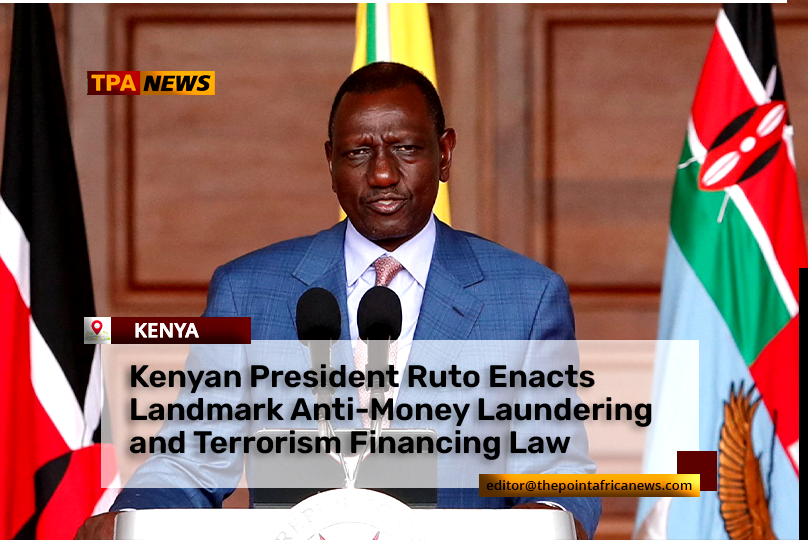
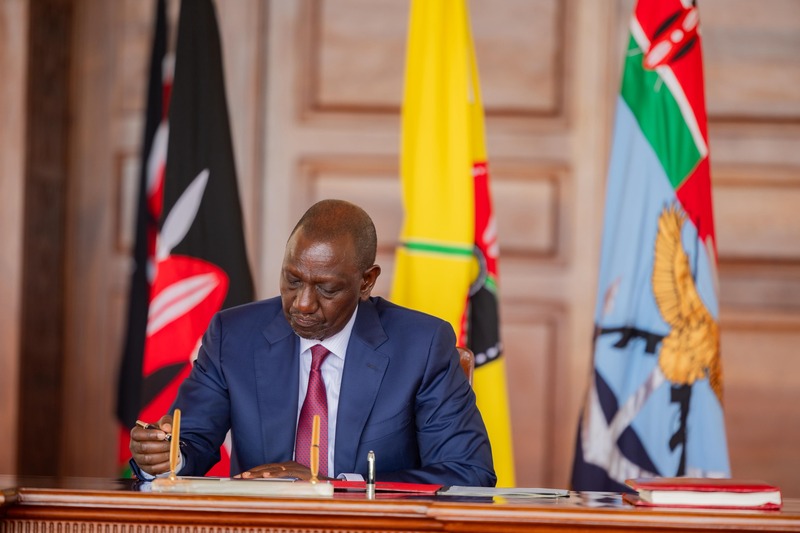
NAIROBI, Kenya – Kenyan President William Ruto on Tuesday, June 17, 2025, signed into law the Anti-Money Laundering and Combating of Terrorism Financing Laws (Amendment) Bill, 2025, marking a significant step in the nation’s efforts to strengthen its framework against financial crimes.
According to a statement released by the presidency in Nairobi, the comprehensive legislation aims to enhance Kenya’s capabilities in combating money laundering, terrorism financing, and proliferation financing. Its enactment is described as a decisive move to bolster the country’s financial system against illicit financial flows.
The new law introduces amendments to ten existing Acts of Parliament, addressing technical compliance deficiencies previously identified by international bodies such as the Eastern and Southern Africa Anti-Money Laundering Group (ESAAMLG) and the Financial Action Task Force (FATF). Kenya’s inclusion on the FATF “grey list” due to these deficiencies had prompted an urgent need for legal reform to restore investor confidence and bolster the country’s global financial credibility.
Key changes introduced by the legislation include sealing loopholes that have enabled the misuse of property transactions and shell companies for illegal financial activities. It is also expected to introduce enhanced regulatory clarity and oversight in critical sectors such as real estate and mining.
The bill, initially passed by the National Assembly on April 16, 2025, was returned by President Ruto with reservations. It was subsequently passed a second time by the National Assembly on June 3, 2025, with amendments that fully addressed the President’s concerns, paving the way for its final assent.