By: TPA NewsDesk | [email protected] | Liberia
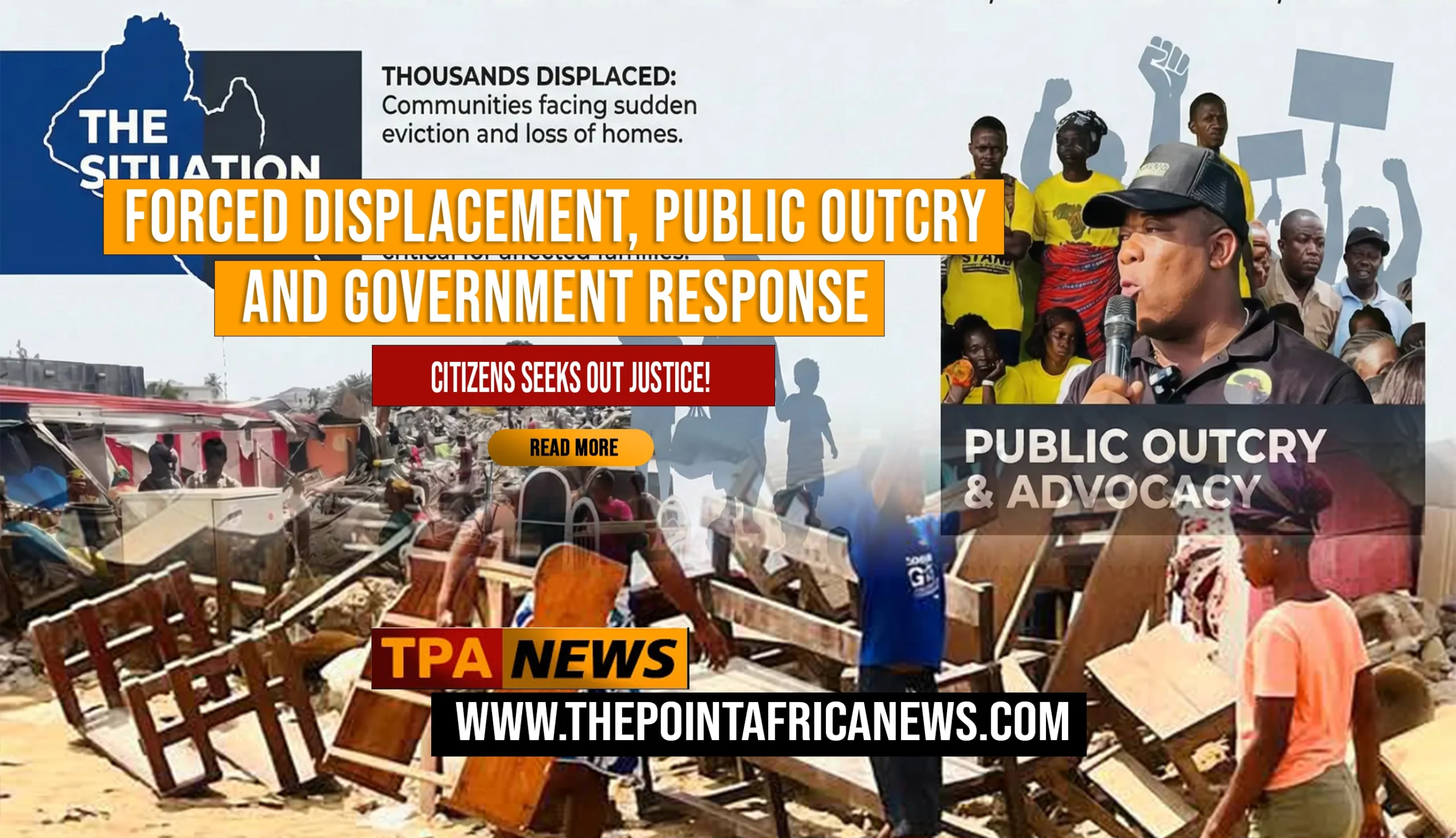
Liberia is facing growing public tension following recent demolitions and evictions in parts of Monrovia and Montserrado County, as opposition groups and human rights monitors accuse the government of overseeing or allowing forced displacements without due process, a charge authorities have yet to comprehensively address.
The opposition advocacy group Solidarity and Trust for a New Day (STAND) has issued a stark warning to President Joseph Nyuma Boakai, demanding an immediate halt to what it describes as state-backed land “reclaim” operations that have resulted in the displacement of residents. According to STAND, failure to stop the demolitions could trigger nationwide peaceful resistance. The group argues that the actions echo past injustices linked to land disputes and social exclusion, warning that unresolved displacement has historically contributed to instability in Liberia.
STAND’s concerns mirror those raised by the human rights monitor of the Liberia Annual Conference of The United Methodist Church, which has condemned recent evictions and demolitions in Montserrado County. The church body said the actions violated constitutional protections and left families homeless without adequate notice, consultation, or legal redress. The group emphasized that forced removals carried out without due process undermine both human dignity and public confidence in the rule of law.
Recent reports by The Liberian Investigator indicate that affected communities span multiple areas of Monrovia and its environs, including sections of Bushrod Island and Paynesville, where residents say they were removed from land they had occupied for years, in some cases decades. Community members interviewed by local media described losing homes and livelihoods with little warning and no clear relocation or compensation plans.
As of publication, the government has not released a detailed official statement responding directly to the accusations raised by STAND or other human rights monitoring group. However, comments attributed to President Boakai in recent public discussions suggest the administration views the demolitions as lawful actions carried out in line with existing regulations, particularly where structures are deemed illegal or located on public land. Government agencies, including the Ministry of Public Works, have historically defended similar operations as necessary for urban planning, infrastructure development, and environmental protection, especially in areas affected by flooding and unregulated construction.
The absence of a clear, unified government response addressing concerns about due process, humanitarian safeguards, and resettlement has fueled public debate. Civil society actors argue that even when demolitions are legally justified, the state has an obligation to ensure transparent procedures, humane enforcement, and protection for vulnerable populations.
The issue has also resonated beyond Liberia’s borders. Diaspora voices have amplified criticism online, with some former supporters of the current administration expressing disappointment over what they describe as a lack of compassion and consultation in handling displacement cases. These reactions have further intensified scrutiny of the government’s approach to land governance.
Analysts say the controversy highlights longstanding structural problems in Liberia’s land tenure system, where overlapping claims, weak documentation, and rapid urbanization frequently lead to conflict. They warn that forced displacement without credible safeguards risks eroding public trust and exacerbating social tensions, particularly in densely populated urban areas already under economic strain.
While no large-scale protests have yet materialized, observers note that STAND’s threat of peaceful resistance and the growing involvement of religious and human rights institutions signal rising pressure on the government to act. Calls are increasing for dialogue, legal clarity, and policies that balance urban development goals with constitutional rights and social stability.