Kampala, Uganda — Uganda is projected to generate approximately $594 million in oil revenues during the 2026/2027 financial year, marking a historic milestone as the country prepares to enter the ranks of oil-producing nations for the first time.
The anticipated revenue comes as Uganda moves closer to the long-delayed start of commercial oil production, with authorities now aligning fiscal projections to reflect expected inflows from its petroleum sector. This development signals a major shift in the country’s economic morale, as policymakers position oil earnings as a key driver of growth and fiscal stability.
Government officials say the projected earnings will play a crucial role in supporting infrastructure development, strengthening public finances, and easing the country’s growing debt burden. Uganda has in recent years increased borrowing to finance large-scale projects, including oil-related infrastructure such as pipelines and processing facilities. The expected revenue injection is therefore seen as a strategic boost to debt servicing capacity and macroeconomic management.
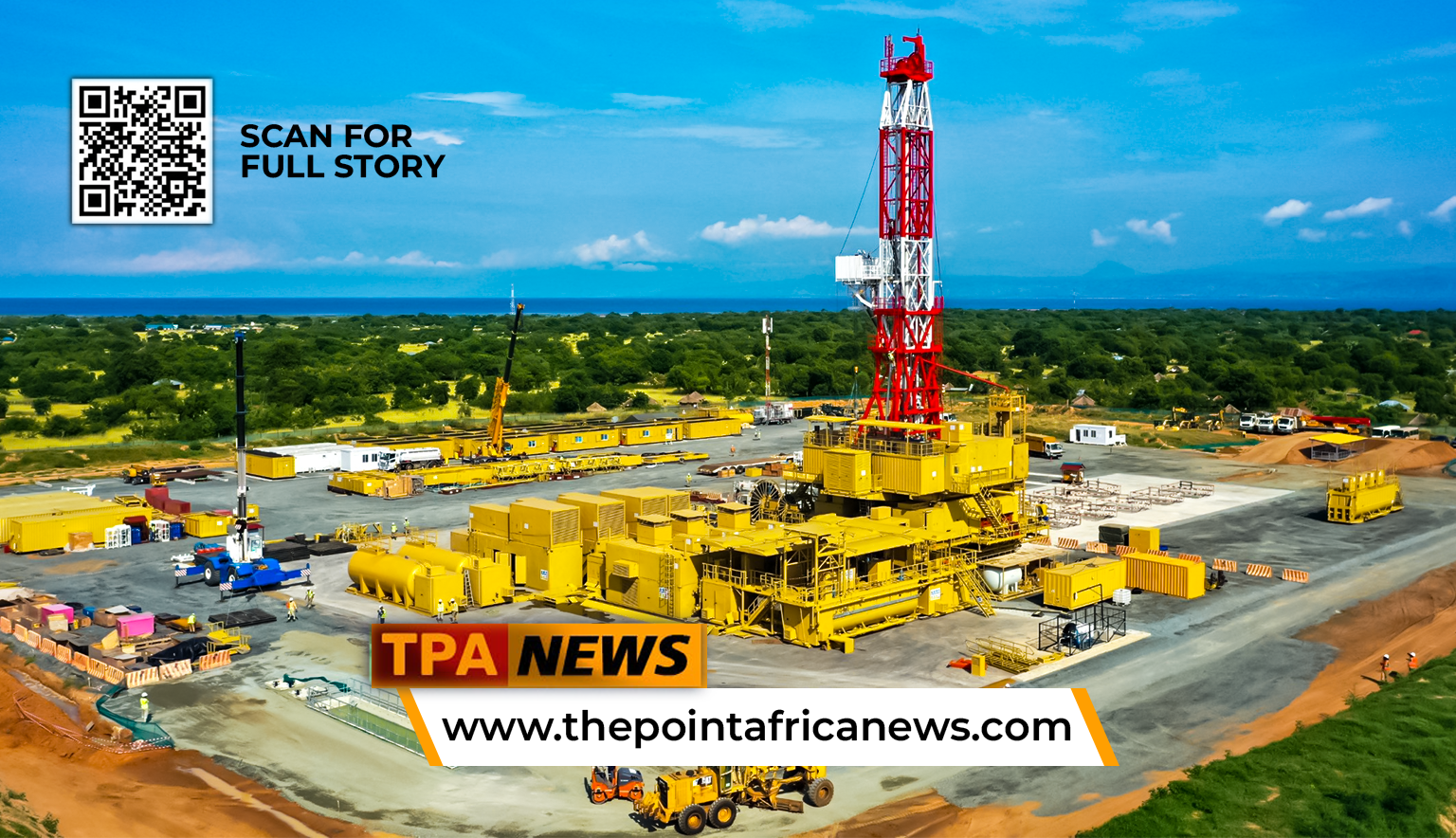
Uganda’s oil sector has faced repeated delays over the past decade, largely due to financing challenges, regulatory hurdles, and negotiations with international oil companies. However, progress has accelerated following final investment decisions on major projects, including the development of oil fields in the Albertine Graben and the construction of the East African Crude Oil Pipeline (EACOP), which will transport crude oil to the Tanzanian coast for export.
Economists note that while the projected $594 million marks a promising start, the long-term impact of oil revenues will depend heavily on transparent management, effective governance, and diversification of the economy. Resource-rich countries have historically faced risks associated with overdependence on oil, including price volatility and governance challenges.
Regional analysts also highlight that Uganda’s entry into oil production could reshape East Africa’s energy landscape, potentially boosting trade, investment, and regional integration. At the same time, environmental and social concerns surrounding oil extraction and pipeline construction remain key issues for policymakers and stakeholders.