OPINION EDITORIAL: TPANEWSDESK – THE POINT AFRICA NEWS AGENCY
The steady flow of the Makona River has long sustained communities along the borders of Liberia, Guinea, and Sierra Leone. Today, that same river has become a line of tension, as the verified presence of Guinean forces in the Sorlumba area of Lofa County shifts the region from cross-border cooperation to a fragile geopolitical standoff.
What was once a corridor of trade and shared livelihoods is now defined by uncertainty, raising urgent questions about how regional bodies can respond when conventional diplomacy appears to have stalled.
At the center of the dispute is the seizure of dredging equipment on the Liberian side of the river, with Guinean authorities asserting links to illicit mineral activity. However, no publicly available geological data has confirmed commercially viable mineral deposits in this specific area, leaving the justification open to scrutiny.
At the same time, tensions have broadened beyond the immediate border. Recent, verified deportations of Sierra Leonean nationals from Guinea have intensified regional concern. While such expulsions are not entirely new, their scale and timing amid the current standoff suggest a widening of pressure beyond territorial lines.
Holding Guinea accountable presents a unique challenge. Since the 2021 military takeover, the country has remained suspended from both the Economic Community of West African States and the African Union.
Ordinarily, such measures are intended to compel compliance through political isolation. But in this case, suspension has created a paradox: a government already operating outside regional consensus is less responsive to the very tools designed to influence it. As a result, traditional diplomatic pressure has yielded limited traction.
Can the African Union help resolved the border conflict?
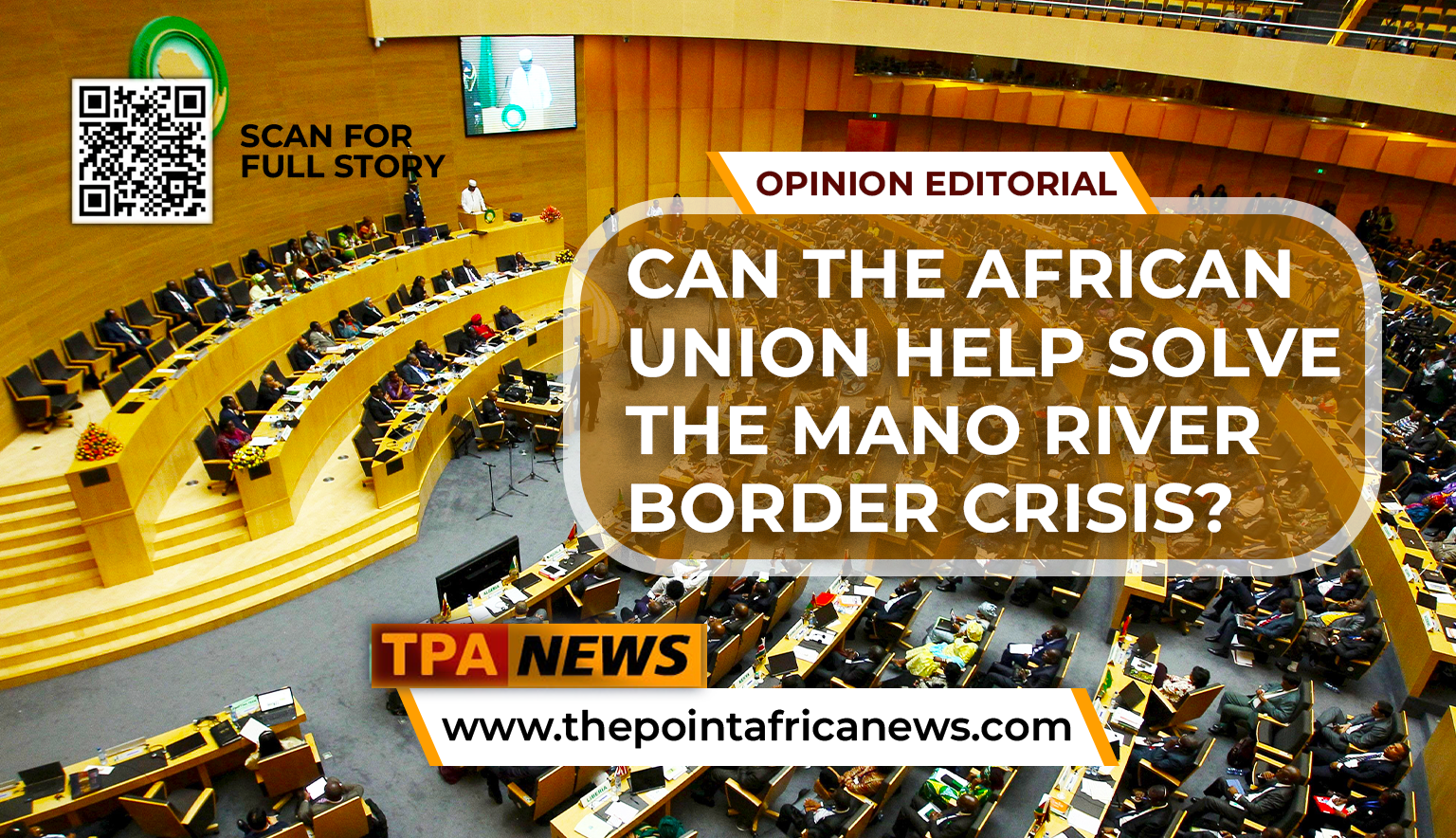
With political leverage constrained, attention is turning to the practical tools still available to the African Union. One of the AU’s most significant instruments lies in the African Union Border Programme (AUBP), which focuses on boundary delimitation and demarcation. Through this framework, the AU can support efforts to establish precise, internationally recognized coordinates of disputed territory, drawing on historical treaties and legal records.
While such measures do not force immediate withdrawal, they create a formal legal baseline that shapes how the territory is viewed in diplomatic and international systems. In practice, areas with unresolved sovereignty disputes often struggle to attract major investment, particularly in sectors like mining and infrastructure, where legal certainty is essential.
Beyond documentation, the AU also has institutional pathways—supported by the African Union Peace Fund—that could, if approved, facilitate the deployment of neutral observers. Such a presence would introduce an additional layer of monitoring and potentially reduce the risk of escalation, though no such deployment has been activated in this case.
Despite its suspension, Guinea is not outside the reach of regional frameworks. Both the African Union and the Economic Community of West African States retain legal and normative authority, meaning Guinea remains bound by treaties, border agreements, and regional obligations it previously accepted. However, the challenge lies in enforcement.
With limited immediate leverage, compliance becomes less about coercion and more about long-term pressure. Regional institutions can still document violations, shape legal interpretations, and influence how disputed territory is treated in international finance and diplomacy.
Importantly, these mechanisms outlast current political realities. Any future government in Conakry will remain tied to the legal and diplomatic positions established today, meaning that today’s actions may carry consequences well beyond the lifespan of the current leadership.
The emerging strategy is not one of immediate force, but of legal clarity, institutional pressure, and strategic patience. It is a slower path—one that relies on documentation, consensus, and long-term accountability rather than rapid intervention.
Whether this approach can deliver tangible results remains uncertain. But in the absence of stronger enforcement tools, it may represent the most viable option available.