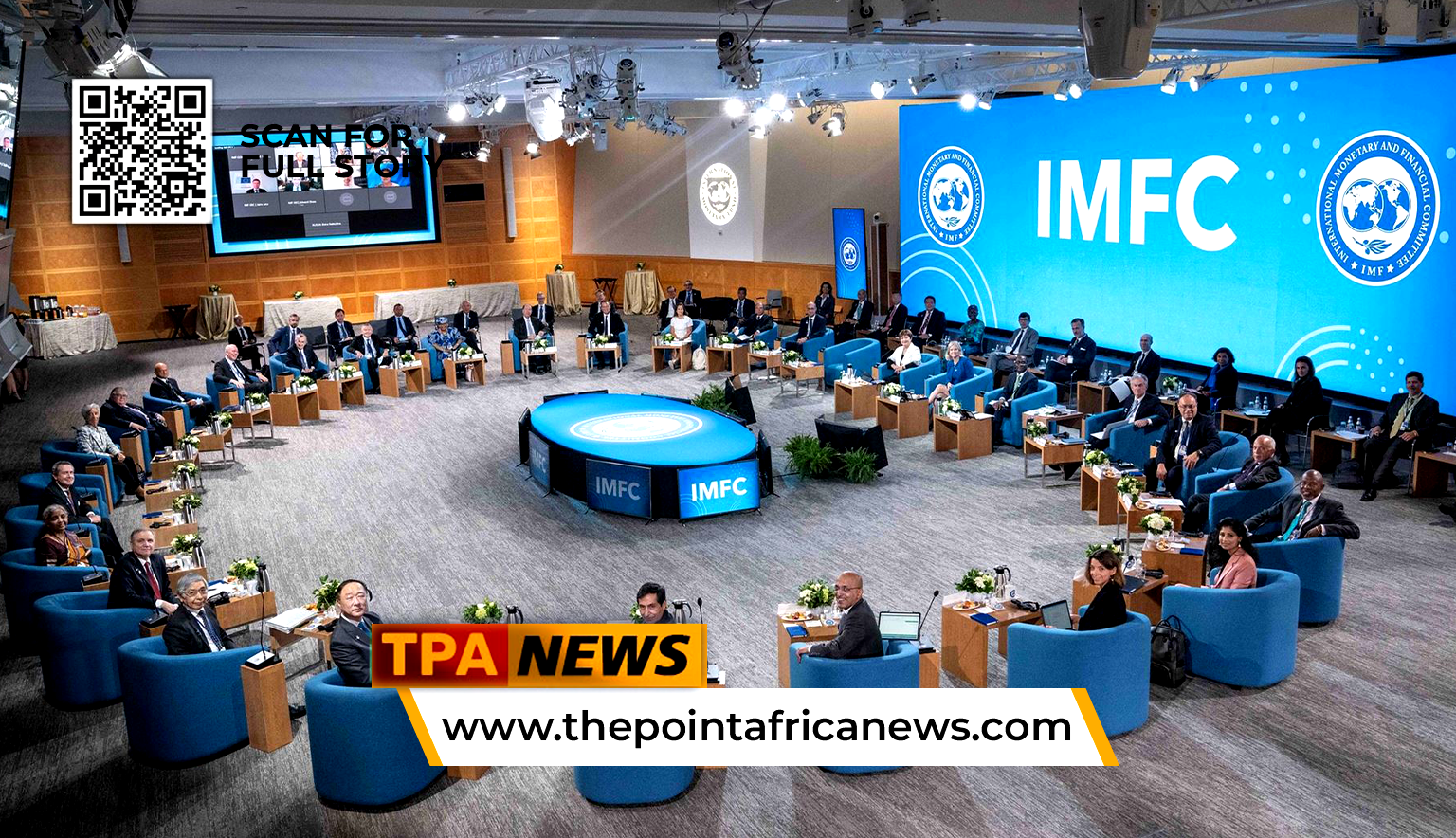
Governments across sub‑Saharan Africa are increasingly moving away from external borrowing toward domestic debt, a transformation that strengthens financial resilience but also introduces new economic vulnerabilities, according to economists Amadou Sy and Athene Laws in the March 2026 issue of the International Monetary Fund’s Finance & Development (F&D) magazine.
The shift reflects a major change in how African states finance their budgets. For decades after the turn of the millennium, many countries relied heavily on external loans—often denominated in foreign currencies—issued by multilateral lenders and international markets. This approach expanded financing options but left governments vulnerable to currency swings and global investor sentiment. When global interest rates surged and access to international markets tightened in recent years, several countries were effectively shut out of external financing.
In response, many governments have increased borrowing in local markets and their own currencies, reducing their exposure to exchange‑rate shocks and foreign reserve depletion. As a result, “most of sub‑Saharan Africa’s public debt is now domestic,” the authors note.
Borrowing at home has several advantages. Governments can avoid the risks associated with foreign exchange fluctuations and reliance on volatile international capital flows. Strong domestic debt markets also support broader economic growth by giving central banks more tools for monetary policy and helping develop local financial systems.
However, Sy and Laws also emphasize new risks arising from this trend. Domestic debt often carries shorter maturities, which increases rollover risk—the danger that governments may struggle to refinance maturing debt if conditions change. In some countries, such as Ghana, much of the domestic debt in recent years has matured in under a year, creating vulnerabilities.
Domestic borrowing can also be costlier than concessional external loans. In 2024, the median interest rate on domestic government debt in the region was about 8.8 percent, higher than many concessional loans available from international partners. These costs vary with inflation and economic conditions, and they reflect investor confidence in government policies.
Another concern is that heavy reliance on domestic financing can strain local financial systems. In many sub‑Saharan countries, banks hold large amounts of government debt, which can crowd out private credit and raise borrowing costs for businesses. The interconnectedness of sovereign debt and banks’ balance sheets also poses systemic risks: a deterioration in government creditworthiness could undermine banking stability and, in turn, weaken the broader economy.
Sy and Laws argue that sound debt management, transparency, and deepening financial markets will be crucial to balancing the benefits and risks of this shift. Expanding the base of domestic investors beyond banks, improving regulatory frameworks, and strengthening macroeconomic fundamentals can help ensure that domestic debt supports long‑term resilience and development.

David S Johnson
David S. Johnson is a seasoned Liberian investigative journalist and multimedia professional who has been active in the media industry since 2016. After serving in various reporting and administrative roles for several prominent local news outlets, he transitioned into media ownership as the founder of The Point Africa News and Media Consultancy Agency Inc. Based in Monrovia, his registered agency provides a comprehensive blend of local, regional, and global news coverage.