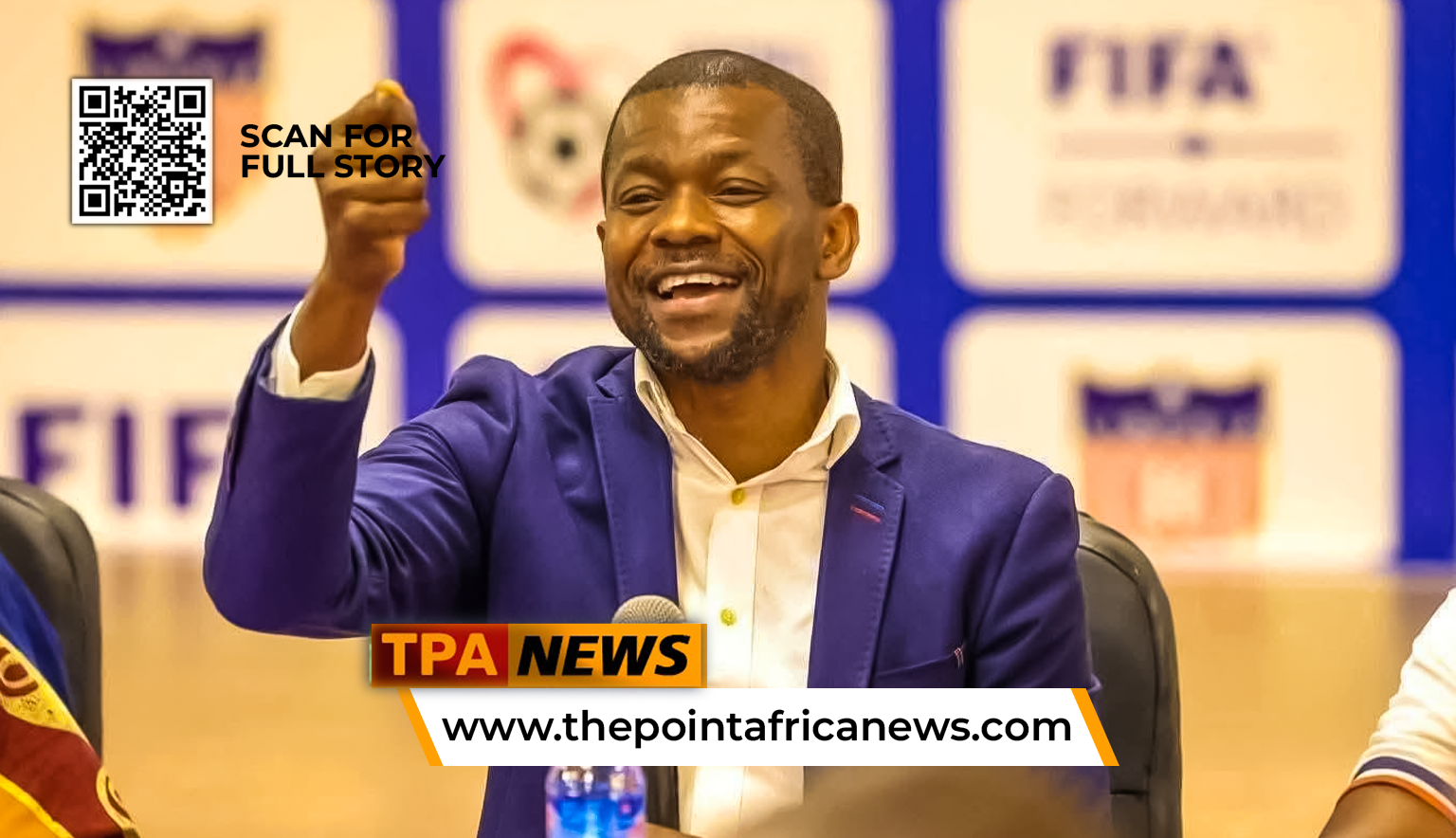
Mustapha Ishola Raji has served as president of the Liberia Football Association (LFA) since April 2018 and was re‑elected unopposed for a second term in 2022. He also holds a position on the Confederation of African Football (CAF) Executive Committee, a rare position for a Liberian football administrator. Raji’s leadership era has overseen several developmental initiatives in Liberian football governance.
With the LFA’s Elective Congress scheduled for April 18, 2026, Raji is seeking a rare third term, backed by a significant portion of voting delegates and powerful football stakeholders — but not without criticism and controversy.
Supporters argue that Raji brings continuity to the LFA’s development agenda. His tenure has focused on making the association more structured and compliant with international standards, especially in alignment with FIFA and CAF frameworks. This institutional stability often appeals to stakeholders wary of the disruption that new leadership can cause.
Raji’s proponents point to infrastructure investments and programs, including completion of the new LFA headquarters, expansion of artificial turf projects in different counties, and increased support for women’s football and youth leagues. These tangible outcomes offer evidence of progress that many delegates view as worth continuing.
Over 30 LFA delegates — representing clubs and sub‑associations — have signed a resolution favoring Raji’s third term, effectively creating a supermajority within the electorate. This level of institutional support suggests that many insiders believe continuity is preferable to disruption ahead of ongoing football development programs.
Influential figures within Liberia’s football governance, such as former LFA executive committee members and school sports leaders, have endorsed Raji’s candidacy. These endorsements preach unity, prioritizing stability over change, and reinforce the view that his leadership has helped coordinate previously fragmented football structures.
Some stakeholders argue that after two terms, football in Liberia needs new leadership and fresh ideas. Critics say that while infrastructure projects are laudable, they have not translated into significant competitive success for national teams or comprehensive transformation of the sport. One prominent club leadership figure said that prolonged leadership can lead to stagnation, complacency, and accountability weaknesses.
Opponents caution that multiple terms by a single president can erode democratic processes within sporting bodies. They worry that offering a third term could set a precedent that favors entrenched leadership over merit‑based or reform‑driven candidacies.
The push for a third term has sparked legal opposition and external risks. A faction associated with FC Fassell recently sought a court injunction against the electoral process, an action that has drawn warnings from FIFA about potential sanctions for third‑party interference in football governance. This tension illustrates how the election dynamics extend beyond internal politics and could threaten Liberia’s standing in global football if not managed carefully.
A local civic group has called for official scrutiny of Raji’s citizenship status as part of broader governance concerns. Although the impact of this advocacy on the election remains unclear, it highlights how external scrutiny and public tensions could undermine the perception of integrity in the LFA’s leadership.
Whether Raji’s third‑term bid is ultimately a win for the LFA depends on how one weighs continuity versus innovation. For supporters, his experience, institutional memory, and progress under his watch suggest that leadership continuity could mean more development and stability at a time when Liberia seeks stronger football foundations and for critics, the desire for fresh ideas, competitive success, and accountable governance means that a third term could perpetuate structural gaps and discourage democratic norms within football administration.
Ultimately, the choice of leadership will shape how Liberia navigates its football future — whether through sustained progress under a familiar face or through change that promises renewed vision.

David S Johnson
David S. Johnson is a seasoned Liberian investigative journalist and multimedia professional who has been active in the media industry since 2016. After serving in various reporting and administrative roles for several prominent local news outlets, he transitioned into media ownership as the founder of The Point Africa News and Media Consultancy Agency Inc. Based in Monrovia, his registered agency provides a comprehensive blend of local, regional, and global news coverage.