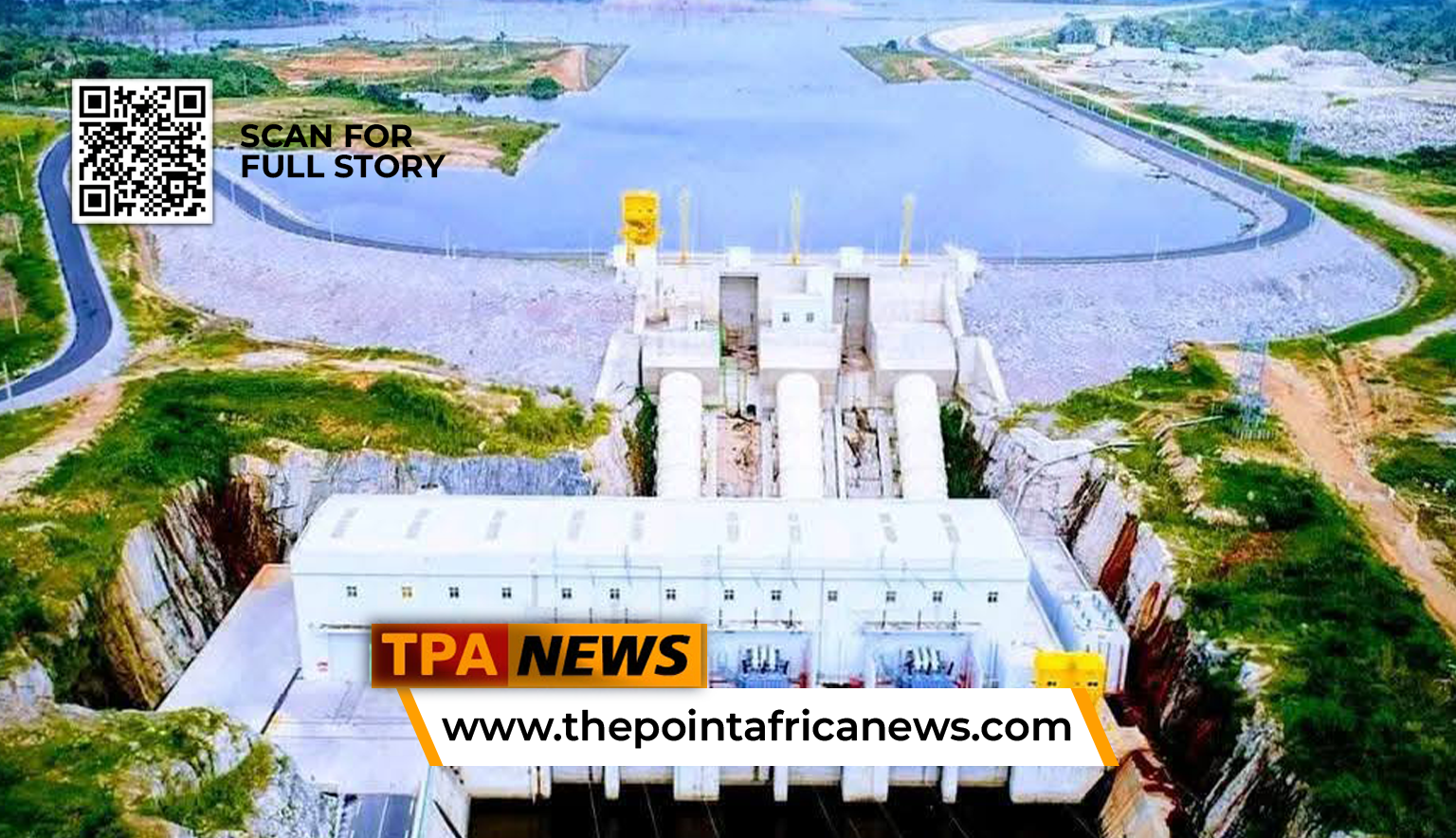
Abidjan, Ivory Coast — Ivory Coast has announced a major 700 billion CFA franc (approximately $1.1 billion USD) investment to modernize its national electricity grid, as the government moves to address recurring power outages and safeguard its role as a regional energy powerhouse.
The large-scale upgrade comes at a critical time for the West African nation, whose economy—often dubbed part of the region’s “growth engine”—has recently faced disruptions linked to aging infrastructure and rising electricity demand. Officials say the initiative is aimed at stabilizing supply both domestically and across borders.
Ivory Coast remains one of the largest electricity exporters in West Africa, supplying power to multiple neighboring countries, including Ghana, Burkina Faso, Mali, Liberia, Sierra Leone, and Guinea. Strengthening transmission capacity and improving grid reliability is therefore not only a domestic priority but also a regional necessity.
The government’s plan focuses on rehabilitating high-voltage transmission lines, upgrading key substations, and reducing reliance on emergency load-shedding measures that have intermittently affected businesses and households. Authorities argue that without such intervention, outages could increasingly threaten industrial output and investor confidence.
Beyond immediate fixes, the investment signals a longer-term shift in energy strategy. A significant portion of the funding is expected to support the integration of renewable energy sources into the national grid, including solar and hydroelectric power. This transition aims to reduce dependence on thermal gas generation while improving sustainability and resilience.
The modernization effort also includes the introduction of smart-grid technologies and enhanced storage systems to manage fluctuations in renewable energy supply—an area where many African power systems still face technical limitations.
Officials say the overhaul aligns with Ivory Coast’s commitments under the West African Power Pool (WAPP), which seeks to integrate national grids into a unified regional electricity market. Maintaining a stable and reliable grid is essential for Abidjan’s ambition to remain a central energy hub within that framework.
Government representatives have framed the initiative as more than infrastructure repair, describing it as a strategic investment in economic transformation. By targeting a 99 percent grid reliability rate, authorities hope to attract energy-intensive industries and technology firms that depend on uninterrupted power supply.
If delivered as planned, the project could reinforce Ivory Coast’s leadership in West Africa’s energy sector while easing pressure on households and businesses that have borne the cost of recent outages.