Margibi County, Liberia — President Joseph Nyuma Boakai has launched an ambitious 10-year national fisheries plan, positioning Liberia as a future leader in Africa’s blue economy while delivering a pointed warning to investors: the country is “open for business, not exploitation.”
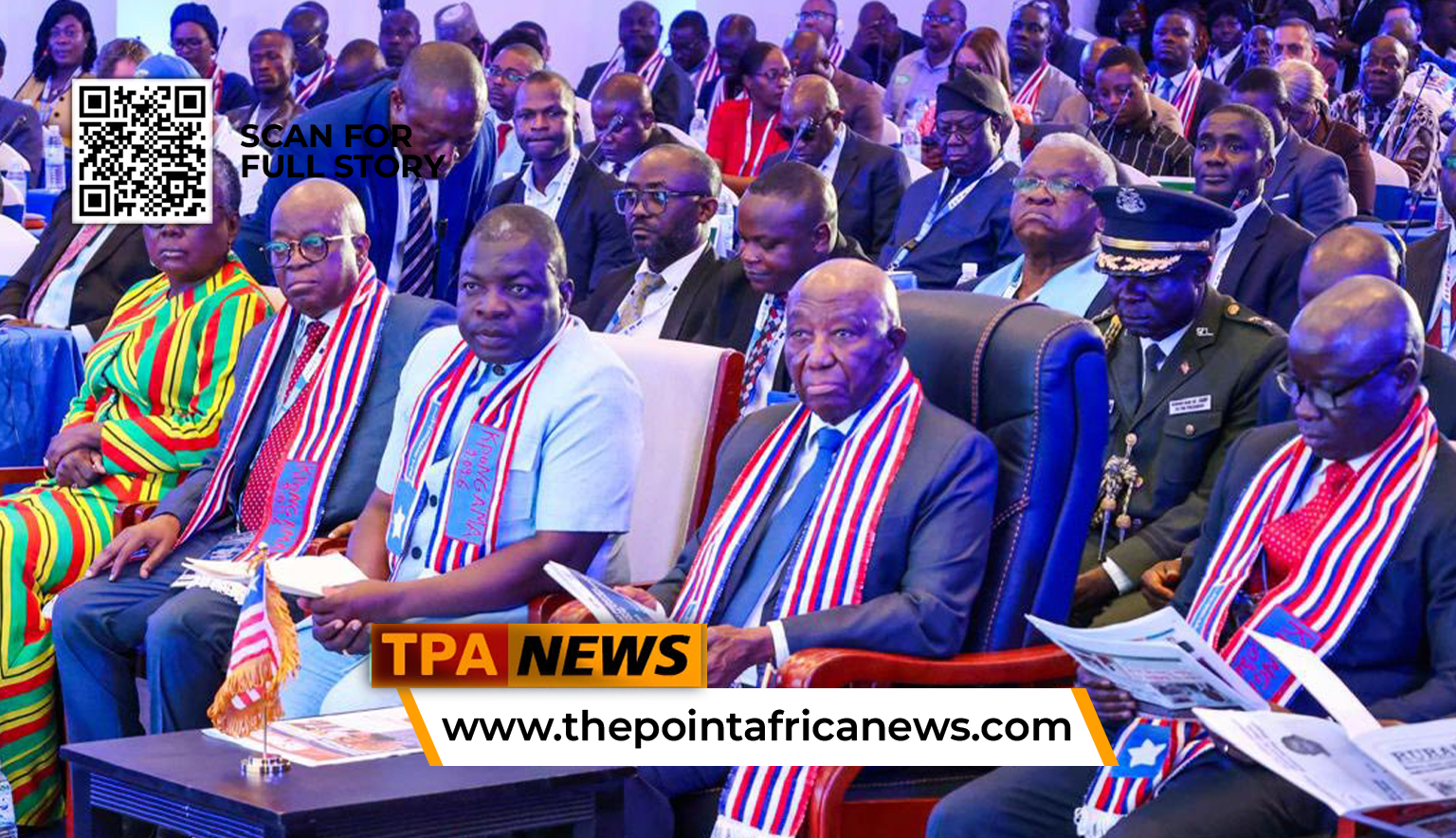
Speaking at the opening of the NaFAA Fisheries Conference at the Farmington Hotel, the President framed the initiative as a turning point for a sector long characterized by underinvestment, weak infrastructure, and limited local benefit despite abundant marine resources.
“To those considering investment in Liberia’s fisheries, hear me clearly: we are open for business, but we are not open for exploitation,” Boakai declared, signaling a shift toward partnerships that prioritize local capacity, environmental safeguards, and equitable returns.
The plan, launched under the theme “Unlocking Blue Horizon; the Future of Fisheries and the Blue Economy,” aims to mobilize investment while aligning with continental and global frameworks, including the African Union’s blue economy strategy and international sustainability goals.
Yet beneath the strong rhetoric lies a deeper structural challenge. Liberia possesses one of West Africa’s richest marine zones, with waters extending 200 nautical miles into the Atlantic and a coastline stretching over 570 kilometers. Despite this, the country continues to import more than 33,000 metric tons of fish annually — a paradox that underscores longstanding inefficiencies in the sector.
Boakai himself acknowledged the gap, noting that high-value fish caught in Liberian waters are often landed in foreign ports due to the absence of a dedicated fishing harbor. Artisanal fishers, who account for roughly 80 percent of domestic production, continue to operate with limited cold storage, weak market access, and minimal financial inclusion.
The administration’s response is a pivot toward public-private partnerships and value-chain development, moving away from heavy reliance on industrial fishing license fees. Officials say this new model is designed to retain more revenue locally while expanding employment and boosting exports.
Among the flagship commitments highlighted were a €25 million European Union grant to strengthen artisanal fisheries, partnerships with Orange Liberia to introduce mobile payment systems, and plans to operationalize long-dormant infrastructure such as the Robertsport fishing cluster. The government also pointed to ongoing collaboration with the World Bank under the Liberia Sustainable Management of Fisheries Project.
However, critical questions remain about execution. Liberia has announced similar reforms in the past, yet infrastructure gaps, regulatory weaknesses, and limited enforcement capacity have often slowed progress. The proposed fisheries harbor, still in the design phase, is seen as a key test of whether the government can translate policy into tangible results.
There is also the issue of oversight. While the President emphasized accountability and environmental standards, Liberia’s fisheries sector has historically faced challenges related to illegal, unreported, and unregulated (IUU) fishing — often involving foreign vessels operating beyond effective monitoring.
The emphasis on attracting investors raises another balancing act: how to secure foreign capital without repeating patterns where local communities see limited benefits. Boakai’s warning against exploitation speaks directly to this concern, but analysts say enforcement mechanisms will determine whether the policy shift is substantive or symbolic.
At the conference, Aliou Mamadou Dia of the United Nations Development Programme pledged support for Liberia’s blue economy ambitions, highlighting efforts to develop a national investment platform to attract and structure bankable projects.
Still, the success of the 10-year plan will likely hinge on whether Liberia can bridge the gap between vision and delivery. For many coastal communities, the question is less about strategy and more about impact — whether a fisherwoman in West Point or a canoe operator in Harper will see real improvements in income, safety, and dignity.
As Liberia positions itself as a regional contender in the blue economy, the stakes are clear: the country must prove that this latest push is not just another policy cycle, but a genuine transformation of one of its most underutilized sectors.

David S Johnson
David S. Johnson is a seasoned Liberian investigative journalist and multimedia professional who has been active in the media industry since 2016. After serving in various reporting and administrative roles for several prominent local news outlets, he transitioned into media ownership as the founder of The Point Africa News and Media Consultancy Agency Inc. Based in Monrovia, his registered agency provides a comprehensive blend of local, regional, and global news coverage.