Government Moves to Shield Consumers from Global Energy Shock
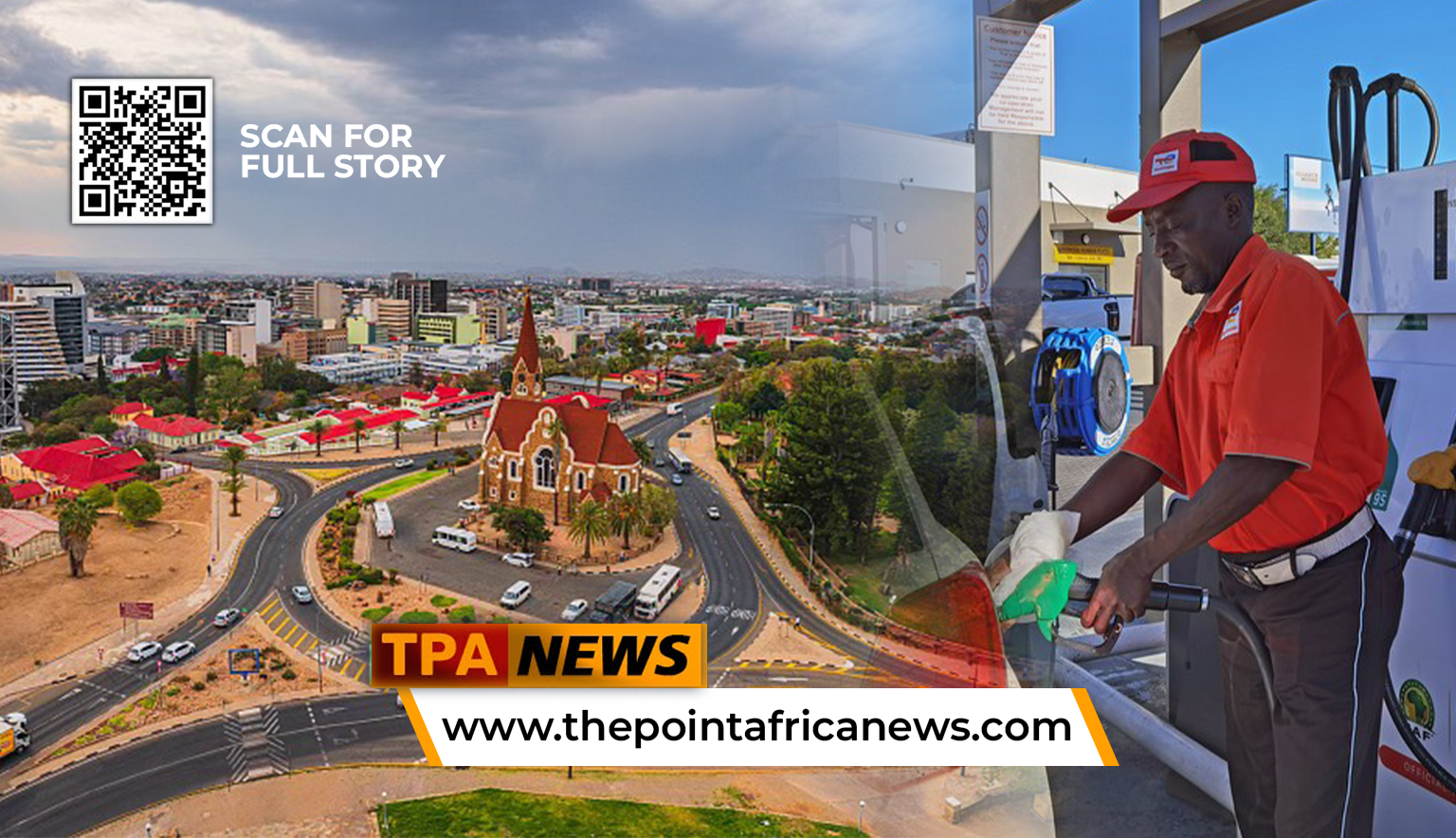
Windhoek, Namibia – Namibia has announced a 50% reduction in fuel levies for a three-month period, a decisive move aimed at cushioning consumers from rising global oil prices driven by escalating tensions in the Middle East.
The intervention, confirmed by Energy Minister Modestus Amutse, will run through the end of June and is expected to ease pressure at the pump for households, transport operators, and businesses across the country.
Officials say the decision reflects a deliberate effort to absorb part of the global price shock, rather than pass the full burden on to consumers in a country that depends entirely on imported fuel. By cutting levies, the government is lowering one of the key domestic cost components that determine final fuel prices.
The move is being viewed as a timely policy response, as many countries struggle to contain the ripple effects of rising fuel costs on inflation, transport fares, and the cost of essential goods.
Global oil prices have risen in recent weeks amid geopolitical tensions involving Iran, increasing import costs for fuel-dependent economies. In response, Namibia has opted for early intervention, using fiscal tools to stabilize prices before the full impact reaches consumers.
This approach could help limit secondary economic pressures, particularly increases in food prices and public transport costs, which are often driven by fuel price hikes.
Namibia is a member of the Southern African Development Community (SADC), a regional bloc of 16 countries that cooperate on economic development and integration.
Across the SADC region, countries are currently experiencing upward pressure on fuel prices, largely driven by global market conditions. However, responses vary depending on national policy choices.
While others, including Zimbabwe, are still seeing price hikes, Namibia has moved to reduce costs, countries like Zimbabwe continue to experience elevated fuel prices, with pump costs among the highest in the region according to recent market reports.
Analysts attribute this to a combination of domestic and external factors, including higher taxes and levies, currency pressures, and structural cost challenges that increase the final pump price. In many cases, limited fiscal space has constrained the ability of governments to intervene aggressively to offset global price increases.
Namibia’s levy cut directly targets the domestic component of fuel pricing, making it one of the few countries in the region taking active steps to ease costs at a time when broader price pressures persist.
The contrast highlights how policy choices influence outcomes, even under the same global conditions. While many SADC countries are adjusting to higher fuel prices, Namibia’s approach offers temporary relief and demonstrates how targeted interventions can soften the impact of global economic shocks.
For now, Namibia’s 50% levy cut stands out as a pro-consumer measure in a region where fuel costs remain under pressure.

David S Johnson
David S. Johnson is a seasoned Liberian investigative journalist and multimedia professional who has been active in the media industry since 2016. After serving in various reporting and administrative roles for several prominent local news outlets, he transitioned into media ownership as the founder of The Point Africa News and Media Consultancy Agency Inc. Based in Monrovia, his registered agency provides a comprehensive blend of local, regional, and global news coverage.