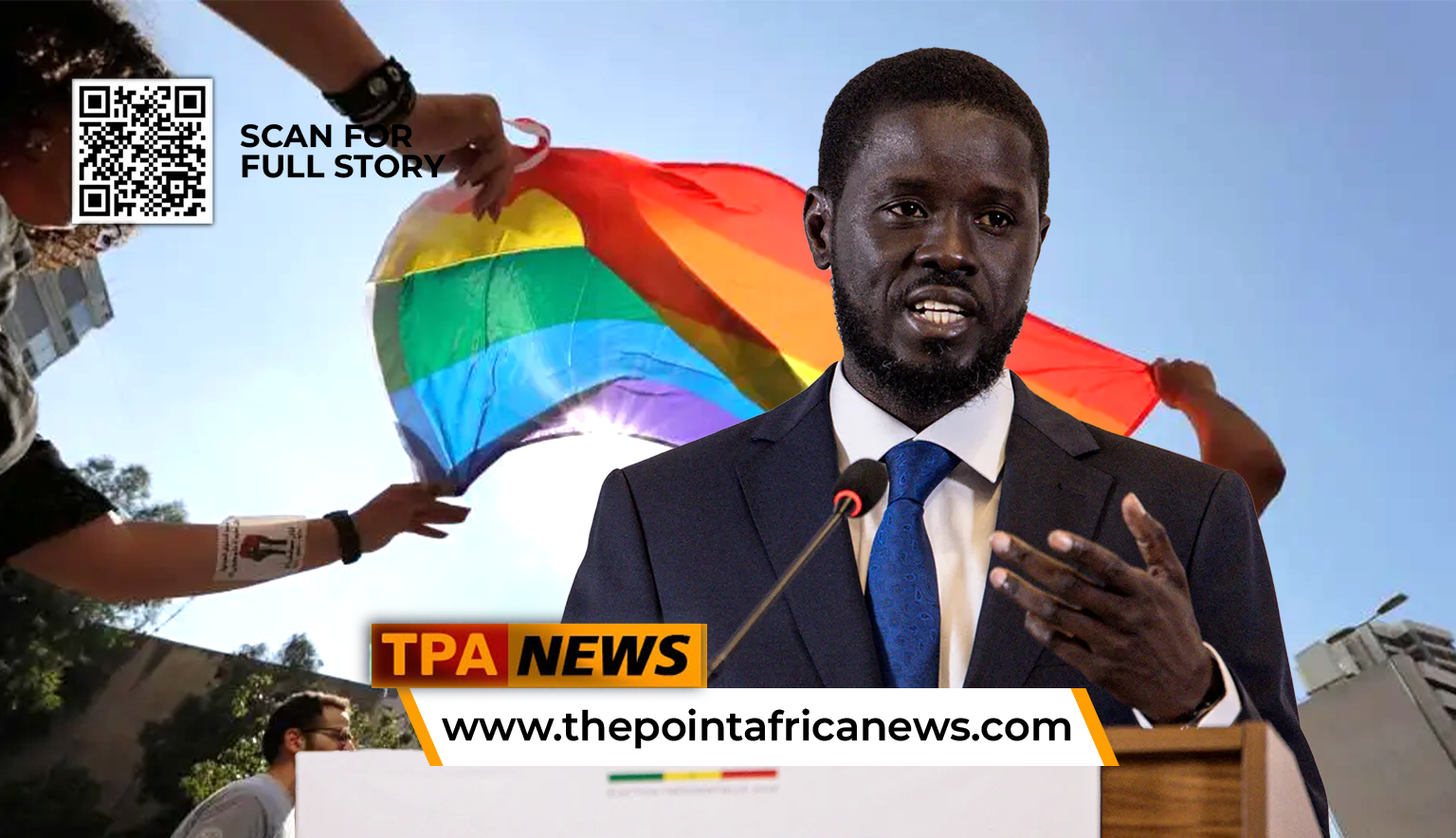
Dakar, Senegal — Senegal has enacted legislation significantly increasing prison sentences for individuals convicted of same‑sex relations, a move that has alarmed human rights advocates and ignited debate over civil liberties and cultural sovereignty in West Africa.
Under the amended penal code, sentences for “unnatural acts,” a term used in existing anti‑sodomy statutes, have been increased from a maximum of five years’ imprisonment to up to ten years, while the minimum penalty has been raised to two years. The revision, passed by Senegal’s National Assembly and signed into law by the Presidency, also increases fines associated with these convictions and broadens the language to potentially include provisions criminalizing advocacy or “promotion” of LGBTQ+ rights.
The legislative change follows intense lobbying by religious groups and conservative civil society coalitions, who argued that Senegal must safeguard what they describe as traditional cultural and Islamic values against the influence of Western liberal norms. Supporters of the law contend it reflects societal consensus and national identity.
However, the international response has been sharply critical. Human rights organizations, including Amnesty International, have condemned the measure as a “grave setback for civil liberties” that undermines freedoms of expression, association and privacy protected under international human rights frameworks.
Activists within Senegal have warned of immediate practical consequences. “This law fuels stigma and fear,” said a local LGBTQ+ advocate who requested anonymity for safety reasons. “We are already seeing reports of increased harassment, vigilante threats, and arbitrary arrests in communities where people had previously lived quietly.”
The heightened penalties also raise concerns about the potential for extortion and blackmail, particularly in regions where legal protections for suspects remain weak and access to independent legal counsel is limited.
The move places Senegal — a nation often highlighted for its relative democratic stability and cultural concept of teranga (hospitality) — at a diplomatic crossroads. International partners that prioritize human rights, especially in development and trade relationships, may view the legislation as incompatible with shared commitments to freedom and equality.
At the same time, some leaders in neighboring countries have publicly framed the change as a sovereign decision, reflecting a broader divide on issues of sexual orientation and gender identity within Africa. Several governments have reiterated their right to legislate according to local cultural and moral norms, even as international institutions urge restraint and dialogue.
For Senegal’s government, the legislation signals a firm lean toward traditionalism at home, even as it grapples with international backlash. How this legal shift will affect foreign relations, including cooperation with Western development partners emphasizing human rights protections, remains uncertain as implementation begins nationwide.