By: TPA News Desk | [email protected]
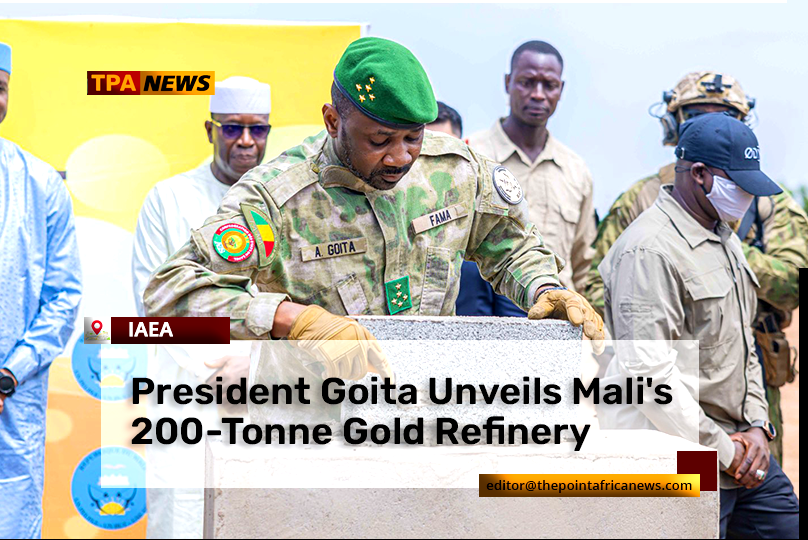
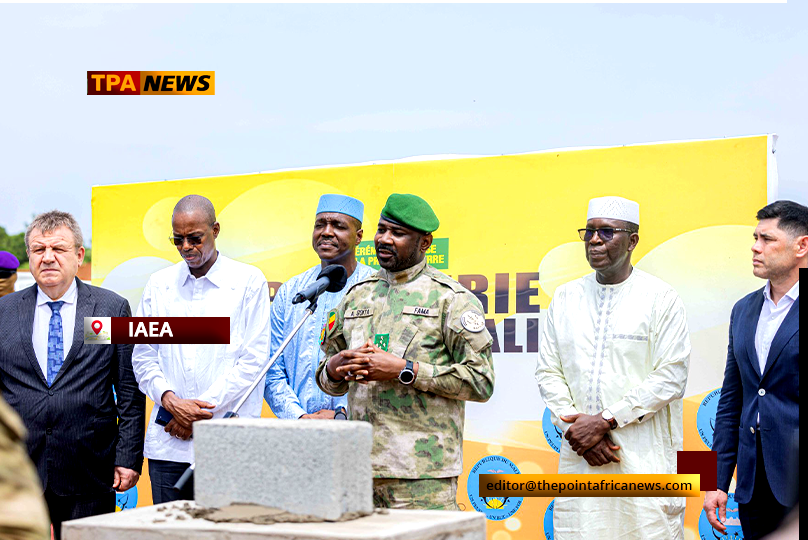
BAMAKO, Mali – Malian President Assimi Goita on Monday laid the foundation stone for a new gold refinery in a suburb of the capital, Bamako. This significant project aims to bolster Mali’s economic sovereignty and maximize revenue from its substantial gold production.
The new facility is expected to have an impressive annual refining capacity of 200 tonnes of gold upon its completion in two years. This is a considerable leap for Mali, which currently exports the vast majority of its gold for refining and sale in countries like the United Arab Emirates, South Africa, and Switzerland. Mali officially produced 51 tonnes of gold in 2024, highlighting the existing gap in domestic processing.
President Goita emphasized that the refinery will enable the country to “better capitalize on revenues from gold and its by-products” and “improve the traceability of gold production.” He also noted that the new refinery will be the sole facility to process gold from all mining companies operating in Mali, which is Africa’s second-largest gold producer.
The refinery project is a joint venture, SOROMA-SA, with the Malian state holding a majority stake of 62 percent, in partnership with the Russian company Yadran. This move is part of broader reforms Mali has undertaken since 2023, including a new mining code that allows for up to 30 percent state participation in mining projects and a local content law requiring foreign companies to offer 5 percent of their capital to Malian stakeholders. The project is also expected to create both direct and indirect employment opportunities for Malian youth.