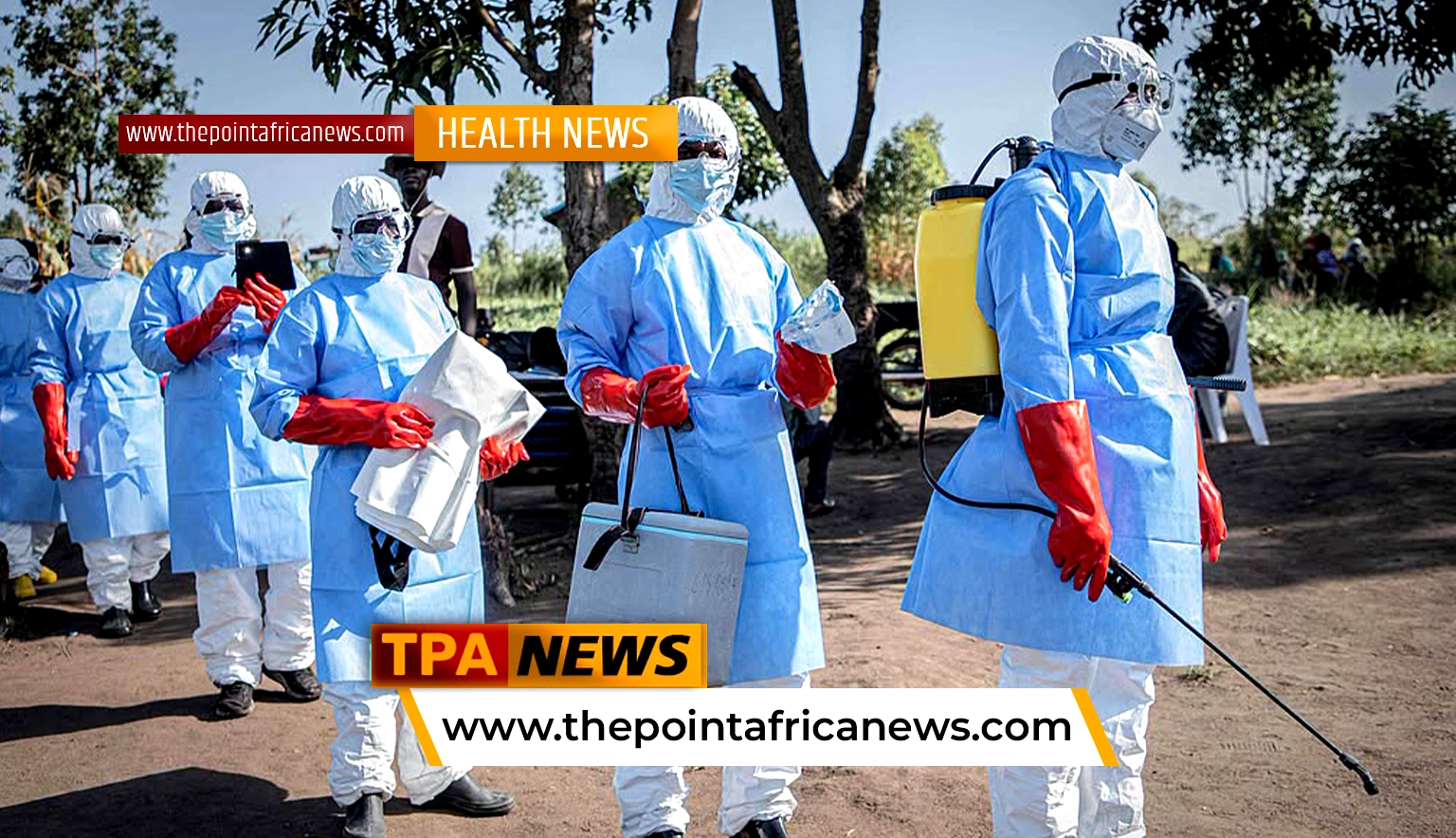
KINSHASA, June 29, 2026 — The Democratic Republic of Congo has banned all public gatherings in four provinces, including the capital city of Kinshasa, as health authorities attempt to contain a deadly outbreak of Ebola, the Interior Ministry announced.
The ministerial directive, signed by Interior Minister Jacquemain Shabani, prohibits political meetings, public marches, demonstrations, and other large crowd gatherings in Kinshasa, Tshopo, Haut-Uélé, and Bas-Uélé provinces.
While none of the four restricted provinces have recorded active local transmissions, the ministry cited their proximity to the epicenter and high regional mobility as significant transmission risks. Under the decree, provincial governors must enforce strict symptom monitoring and submit daily surveillance briefs to the central government.
The current outbreak, which was officially declared on May 15, 2026, is driven by the Bundibugyo species of the Ebola virus—a strain for which there is currently no licensed vaccine or standard treatment. According to Health Ministry data released on Monday, the virus has infected 1,274 people and caused 360 deaths, primarily across three eastern provinces: Ituri, North Kivu, and South Kivu.
Health officials noted that a case was recently detected in Haut-Uélé involving a patient who traveled from Ituri, demonstrating that the virus is moving along major internal trade routes. Additionally, although Kinshasa remains free of an active cluster, a French doctor who treated Ebola patients spent a day in the capital before flying back to France, where they subsequently tested positive.
The sweeping ban on assemblies comes amid escalating political friction. Opposition groups have dismissed the restrictions as “politically motivated,” noting that the ban was issued just ahead of a major nationwide demonstration scheduled for July 8.
The planned protest, organized by the broad opposition alliance Coalition Article 64 (C64), aims to challenge proposed constitutional amendments that critics argue could allow President Félix Tshisekedi to bypass term limits and seek a third term in office.
“This decision is unconstitutional,” said Prince Epenge, a spokesperson for the C64 coalition. Epenge told reporters in Kinshasa that the government is utilizing a public health mandate to block legitimate political opposition, adding that the July 8 demonstration will proceed as planned.
Enforcement of assembly limits remains highly sensitive. On June 12, a previous opposition rally in the capital was forcibly dispersed by security forces using tear gas and live ammunition, resulting in one protester being killed and 38 others injured, according to figures compiled by the United Nations Human Rights Office.
Separately on Monday, the mayor of the eastern city of Goma also announced a localized ban on public gatherings and demonstrations, specifically targeting large crowds celebrating the Congolese national football team’s qualification for the 2026 FIFA World Cup knockout rounds, citing the identical risk of Ebola transmission.