

By: Staff Reporter | editor@thepointafricanews.com | +231880696718
MONROVIA – As digital platforms like Facebook and YouTube become increasingly vital for independent journalists and local news agencies, governments worldwide, including Liberia, are facing the delicate task of regulating this burgeoning space. The challenge lies in balancing the public interest and national security with the essential preservation of freedom of expression.
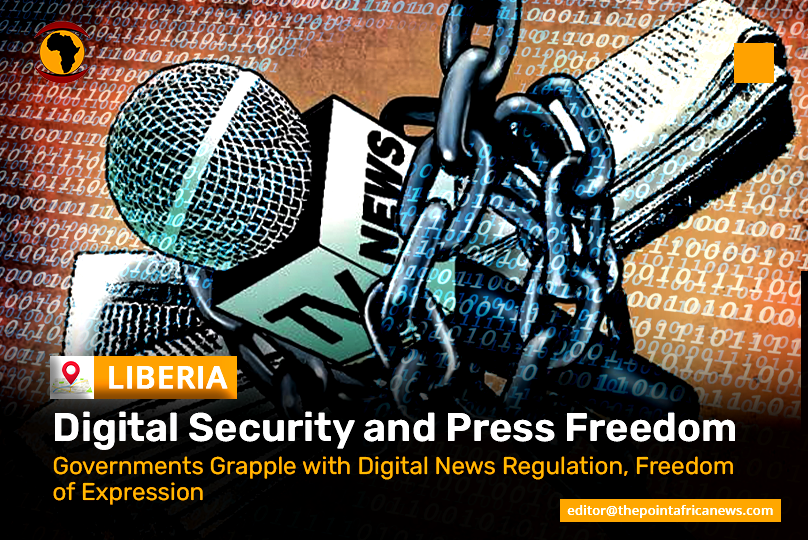
Digital platforms offer unparalleled accessibility, enabling real-time reporting and direct engagement with audiences, a reach often unattainable through traditional media channels. However, this expansive digital landscape introduces new complexities for oversight. Governments assert their inherent right to regulate industries within their borders, particularly to ensure online content adheres to national laws addressing hate speech, privacy violations, defamation, and threats to national security. Upholding order in the digital realm is seen not just as a right, but a necessity to protect citizens from harmful content.
Yet, this regulatory imperative, experts warn, must not come at the expense of press freedom or impede the operations of independent journalists and local news outlets. The tension between regulation and freedom of expression is particularly pronounced for smaller, emerging platforms that often struggle with high operational costs and limited monetization opportunities. In many developing countries, including Liberia, digital content creators are heavily reliant on global platforms that, paradoxically, frequently do not provide monetization options for users in these regions, leaving local creators without reliable revenue streams.
Adding to the financial strain, the cost of internet access remains a significant barrier. In Liberia, for example, internet service providers impose substantial fees for data bundles, further complicating efforts for digital news outlets to operate efficiently. Moreover, the Liberian Ministry of Information, Cultural Affairs, and Tourism (MICAT) has imposed an annual fee of $500 USD for digital platforms, highlighting the escalating financial pressure on freelance journalists and small news entities.
While governments often justify such regulations as necessary for responsible content and for generating revenue to invest in digital infrastructure, critics argue that the economic realities faced by small content creators must be equally considered. There is concern that regulations could inadvertently stifle independent journalism or limit access to vital information. Excessive fees and stringent restrictions on digital platforms disproportionately affect smaller outlets, potentially forcing them to close or compromise their journalistic integrity.
Beyond economic concerns, governments are urged to recognize the crucial role digital platforms play in fostering diverse perspectives and democratic discourse. Many emerging digital news platforms provide essential local coverage that mainstream media might overlook. Imposing overly strict controls or punitive financial barriers risks diminishing media diversity and silencing critical voices that contribute significantly to public dialogue.

Furthermore, digital content creators who rely on platforms like Facebook and YouTube, it is argued, should be afforded the same protections as traditional journalists. Analogous to how newspapers or television stations are not held liable for all content submitted by external contributors, digital platforms should not bear the full burden of content regulation. Instead, a collaborative approach between governments and platforms is advocated to establish regulatory frameworks that uphold national laws while respecting the unique nature of digital media.
In conclusion, while regulation of the digital media space is essential, governments are challenged to strike a delicate balance. Policies must ensure adherence to national laws while simultaneously safeguarding content creators’ freedom to operate. The emphasis should be on supporting, rather than hindering, independent journalism, thereby creating equitable opportunities for emerging platforms to thrive. By regulating with a deep understanding of the economic and operational challenges faced by local journalists and news outlets, governments can not only protect public interest but also cultivate a vibrant, diverse, and resilient digital media ecosystem.



