By: David S. Johnson | Staff Reporter | Economy News | LR11.06.2026
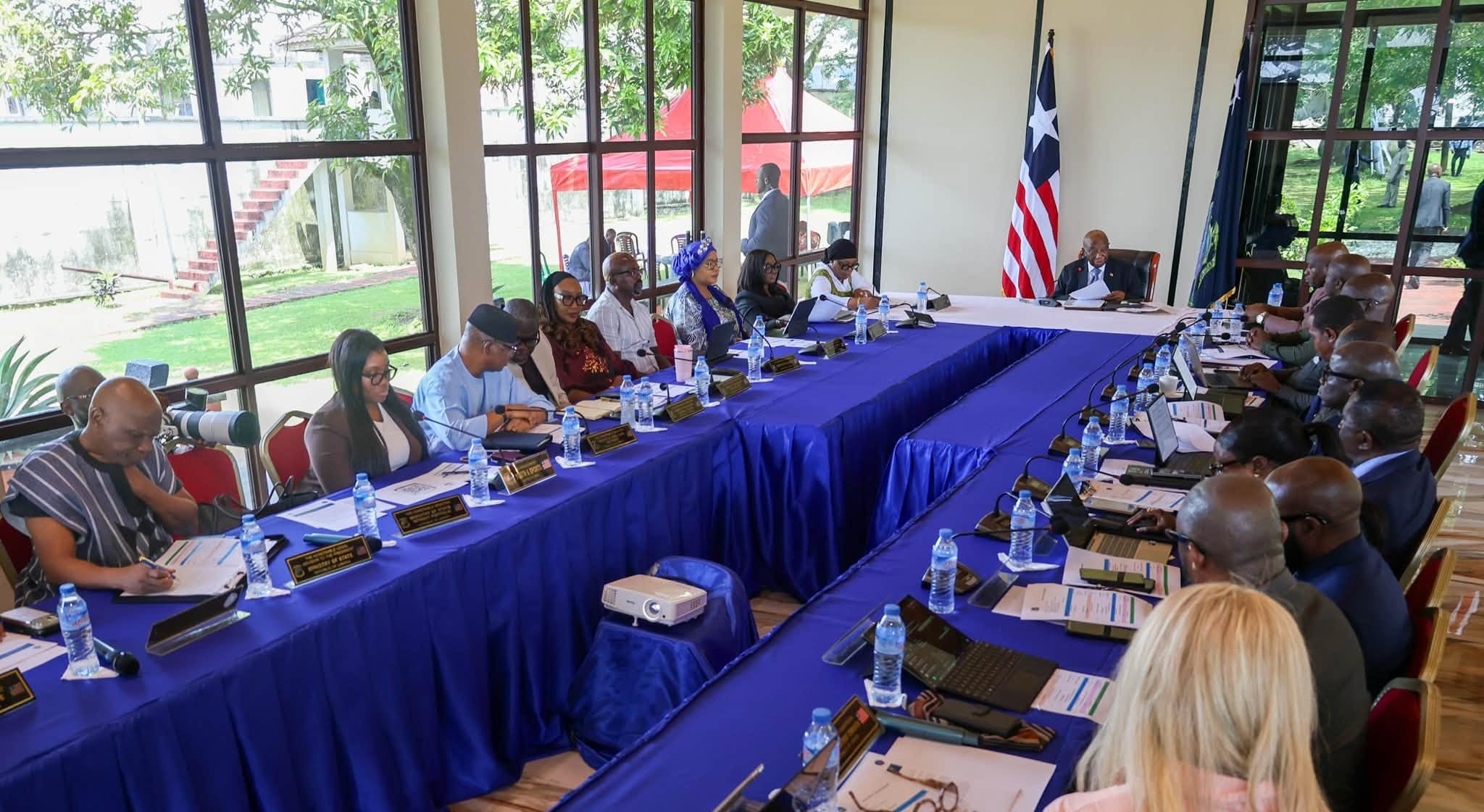
MONROVIA, Liberia — When President Joseph Nyuma Boakai signed Executive Order No. 170 on a quiet afternoon in Monrovia, it marked a decisive attempt to reshape how one of West Africa’s most forest-dense nations manages its environmental wealth.
By replacing an earlier directive issued less than a year ago, the order establishes a tighter leash on Liberia’s carbon market ambitions. It attempts to resolve a central tension in global climate finance: how a developing nation can attract foreign capital from carbon trading while preventing private entities from riding roughshod over indigenous land rights.
“This is about locking in sovereign control and ensuring our communities aren’t left behind,” said a senior official in the executive branch, speaking on condition of anonymity to discuss internal policy debates. “We saw under previous frameworks where unregulated deals risked compromising local land ownership. This order draws a clear red line.”
At the heart of the restated framework is the Carbon Markets Authority (CMA). Originally created as a fast-track mandate, the agency will now operate under interim oversight led by the Minister of State for Presidential Affairs while a permanent legislative bill is drafted over the next six months. The order also establishes a sovereign National Carbon Registry to monitor every credit generated, transferred, or retired within Liberian borders, explicitly aligning operations with Article 6.2 of the Paris Agreement.
For rural communities living across Liberia’s upper Guinean forest belt, the most crucial addition may be the explicit legal protection of land tenure. Under the order, no carbon project on customary land can be registered without documented Free, Prior, and Informed Consent (FPIC)—a principle aimed at preventing predatory land acquisitions by international developers.
“The language on community rights and consent looks promising on paper, but enforcement is where these initiatives usually falter,” said a Monrovia-based environmental advocate who has monitored forest concessions across the country. “If local communities don’t have direct seat-at-the-table negotiating power and access to legal aid, consent can easily become a rubber-stamp exercise.”
Financial transparency also takes center stage in the new order. The CMA is explicitly barred from levying taxes prior to legislative approval, and all administrative fees must be approved by the Ministry of Finance on a cost-recovery basis, subject to mandatory audits by the General Auditing Commission.
As Liberia positions itself to monetize its vast tropical rainforests and coastal mangroves, the government faces a tight window. The executive order sets a clock ticking: within six months, draft legislation must reach the National Legislature, setting off a final 90-day transition toward a permanent, statutory regulatory body. Whether the government can balance fast-moving global carbon investments with rigorous domestic safeguards remains the ultimate test.

David S Johnson
David S. Johnson is a seasoned Liberian investigative journalist and multimedia professional who has been active in the media industry since 2016. After serving in various reporting and administrative roles for several prominent local news outlets, he transitioned into media ownership as the founder of The Point Africa News and Media Consultancy Agency Inc. Based in Monrovia, his registered agency provides a comprehensive blend of local, regional, and global news coverage.