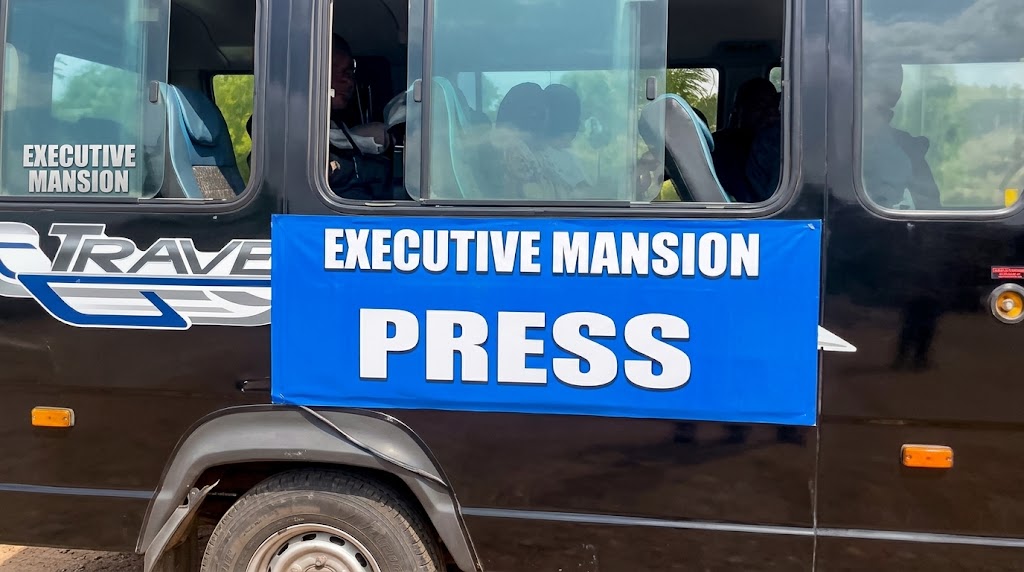
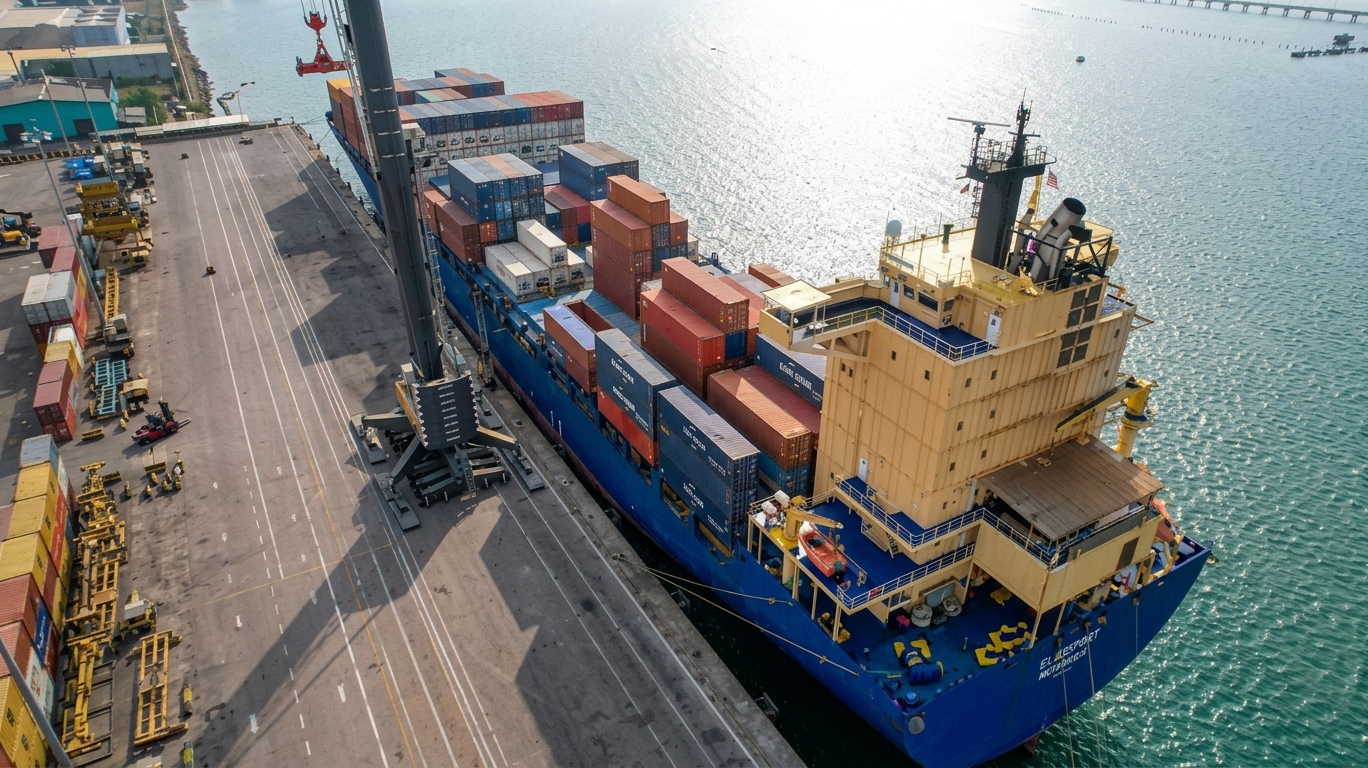
For the second time in a week, dozens of women traders converged on the seat of the Legislature, demanding immediate regulatory intervention against what they describe as predatory port management costs and unexplainable shipping container delays. The renewed demonstrations follow unfulfilled promises by lawmakers on Tuesday to urgently table the matter with port authorities and concession operators.
The crisis at the port strikes at the heart of Liberia’s informal and semi-formal retail economy. Female importers, who form the backbone of the domestic trade sector—sourcing textiles, household consumables, and light manufactures directly from Chinese commercial hubs—now face compounding daily demurrage fees and customs clearing surcharges that rapidly erode their thin operating margins.
Beyond individual enterprise losses, the supply chain friction at the Freeport carries broader macroeconomic consequences for Montserrado County and surrounding regions. As imported containerized goods remain trapped behind administrative hurdles, importers are forced to pass inflated freight and clearing costs directly to consumers, exacerbating local food and retail inflation.
The failure of port logistics to match the pace of international trade exposes critical gaps in maritime infrastructure oversight. While national policy under the ARREST Agenda emphasizes trade facilitation and domestic market growth, operational realities on the docks tell a different story: a predatory tariff regime that punishes local micro-entrepreneurs while institutional oversight remains sluggish.
Until the 55th Legislature moves beyond rhetorical reassurances to enforce systemic reform at the Freeport of Monrovia, the burden of port inefficiency will continue to fall squarely on the women who keep Liberia’s retail economy moving.