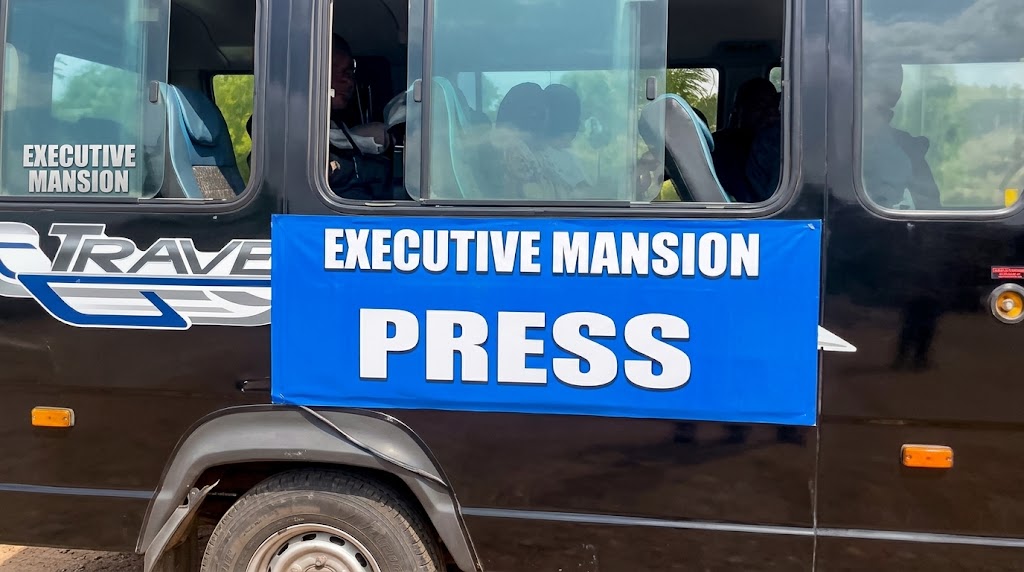
Reporters covering presidential events expressed severe discontent following the unveiling of the Liberia Civil War Memorial Wall at the Executive Mansion and the official groundbreaking for the Liberia Electricity Corporation (LEC) regional power extension project in Kle Town, Bomi County. According to reporting by local news outlet DN News, press corps members characterized the logistics as degrading, pointing to a stipend allocation of just L$1,200 (approximately US$6) per journalist to cover expenses across two events—including out-of-town travel to Western Liberia.The protest highlights a recurring, systemic problem rather than an isolated oversight.
Similar grievances emerged during recent presidential coverage at the Liberian Petroleum Refining Company (LPRC), the New Matadi Estate, and the Mining and Energy Conference at the Farmington Hotel. In each case, reporters faced nominal transport stipends that failed to cover basic operational overhead, forcing journalists to subsidize official state coverage out of pocket. Behind the low stipends lies a deeper structural issue involving administrative oversight and potential petty corruption within the Presidential Press Secretary's office. Insiders report that administrative staff within the Press Secretary's office routinely join field deployments to claim equal shares of logistical stipends alongside working press corps members, despite already drawing full-time central government salaries.
Sources allege direct siphoning of press logistics. During a recent agricultural equipment dedication, an allocated transport budget of L$30,000 intended for 11 media personnel was severely skimmed—reporters received L$2,000 each while L$8,000 was withheld by administrative handlers.
Financial strain on field reporters undermines press independence. When state communications offices underpay assigned press corps members while pocketing operational funds, it creates structural vulnerabilities that threaten objective press coverage of executive activities. The friction within the Executive Mansion press corps underscores a broader gap between the Boakai administration’s public commitments to transparency under the ARREST Agenda and the operational realities of its media relations apparatus. Without immediate administrative audits and clear financial protocols within the Presidential Press Secretary's office, routine executive coverage will remain vulnerable to administrative exploitation and reputational risk.