Live

Africa’s 4.3% Growth Outlook Masks Uneven Economic Reality

Africa’s economic outlook is being described as “positive” by the African Development Bank, with projections placing real GDP growth at 4.3% in 2026 and 4.5% in 2027. Those figures align with the Bank’s recent macroeconomic outlook reports, which consistently place Africa among the faster-growing global regions. But beneath the headline optimism, a more complex picture […]

Author

Staff Writer • 5 min read

Wednesday, 1 April 2026 1 Apr 2026
Share𝕏f
Africa’s 4.3% Growth Outlook Masks Uneven Economic Reality

Africa’s economic outlook is being described as “positive” by the African Development Bank, with projections placing real GDP growth at 4.3% in 2026 and 4.5% in 2027. Those figures align with the Bank’s recent macroeconomic outlook reports, which consistently place Africa among the faster-growing global regions.

But beneath the headline optimism, a more complex picture is emerging. While the projections are credible and grounded in AfDB data, they rely heavily on assumptions that may not hold uniformly across the continent. Growth is expected to be driven by infrastructure spending, commodity demand, and gradual macroeconomic reforms—but these gains remain unevenly distributed.

Several of Africa’s largest economies continue to face structural constraints. High debt levels, currency instability, and persistent inflation are limiting fiscal space, particularly in countries still recovering from pandemic-era shocks and recent global energy disruptions. For many governments, growth is occurring alongside tightening budgets.

There is also the issue of who benefits from that growth.

In multiple economies, GDP expansion has not consistently translated into job creation or reduced cost-of-living pressures. Youth unemployment remains high across several regions, while food and energy prices continue to strain household incomes—raising questions about whether growth figures reflect real economic relief on the ground.
Advertisement

Reach 2M+ pan-African readers

Advertise with us →

The AfDB itself has acknowledged these vulnerabilities in past outlooks, warning that climate shocks, conflict, and global financial tightening could derail projections if not carefully managed.

Another key pressure point is external dependence. Many African economies remain exposed to fluctuations in global commodity markets and foreign investment flows. This leaves growth forecasts particularly sensitive to geopolitical developments beyond the continent’s control.

So while the numbers—4.3% and 4.5%—signal stability, they also mask a deeper divide between statistical growth and lived economic reality.

The bigger question is not whether Africa is growing. It is whether that growth is resilient, inclusive, and sustainable enough to withstand the next shock.

Author

Written by

Staff writer at The Point Africa News.

Related Stories

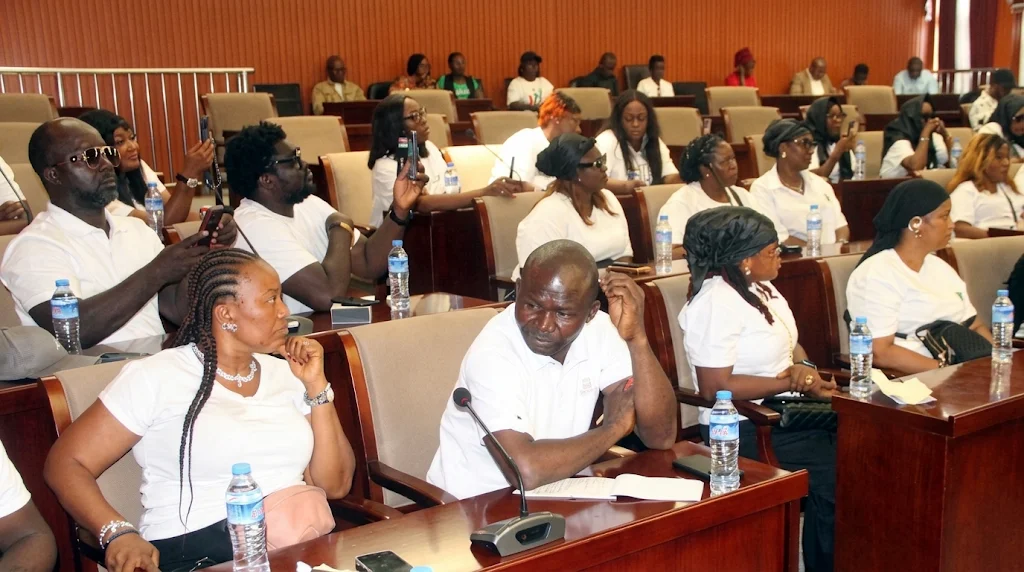
78-Hour Legislative Ultimatum: House Intervenes as Monrovia Port Gridlock Strangles Liberian Supply Chains
Business

78-Hour Legislative Ultimatum: House Intervenes as Monrovia Port Gridlock Strangles Liberian Supply Chains

MONROVIA, Liberia — The House of Representatives has stepped directly into Liberia’s maritime logistics crisis, constituting a Joint Committee on Good Governance and Maritime Affairs and imposing a strict 78-hour deadline to dismantle severe cargo congestion at the Freeport of Monrovia.

David S. Johnson•21h ago

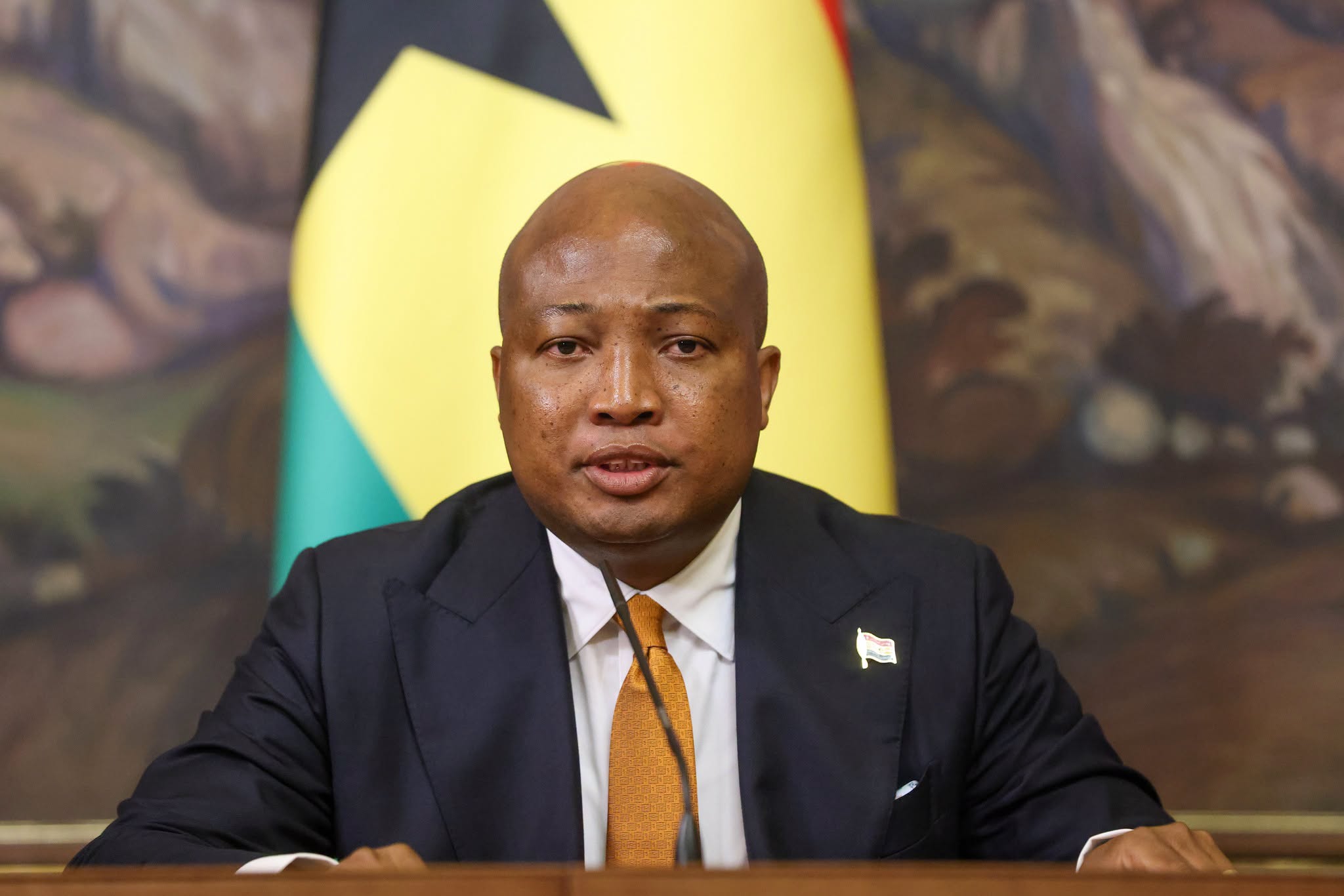
Ghana Champions Inclusion of Caribbean Nations in AfCFTA Architecture
Business

Ghana Champions Inclusion of Caribbean Nations in AfCFTA Architecture

ACCRA, Ghana — In a move aimed at translating historical transcontinental ties into formal commercial structures, Ghana has formally proposed extending the trade and investment framework of the African Continental Free Trade Area (AfCFTA) to include the Caribbean Community (CARICOM).

David S. Johnson•23h ago

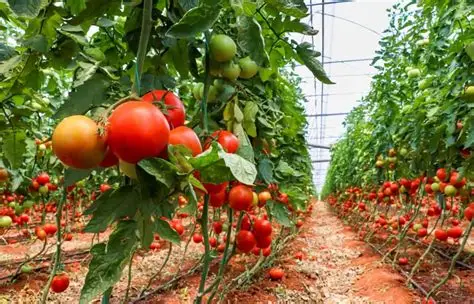
Morocco Halts African Tomato Shipments as Domestic Inflation Mounts
Business

Morocco Halts African Tomato Shipments as Domestic Inflation Mounts

RABAT, Morocco — The Moroccan government has temporarily suspended export permits for fresh tomatoes bound for sub-Saharan African markets, prioritizing domestic supply stabilization as retail prices approach record highs of 12 to 15 dirhams ($1.20–$1.50) per kilogram in local markets.

David S. Johnson•23h ago

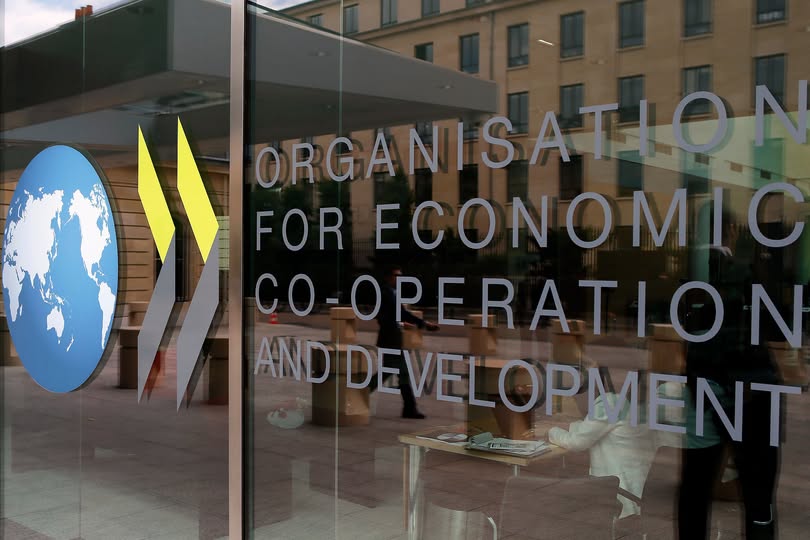
OECD Warns Africa’s Shallow Corporate Debt Markets Constrain Private Sector Expansion
Business

OECD Warns Africa’s Shallow Corporate Debt Markets Constrain Private Sector Expansion

PARIS, France — Africa’s corporate debt markets remain structurally undersized and ill-equipped to supply the long-term capital required for continental economic growth, according to the OECD’s Africa Capital Markets Report 2026 released on Friday. Outstanding market-based corporate debt across all 54 African economies reached just $211 billion at the end of 2025—representing a mere 0.3 percent of global corporate debt despite the continent accounting for nearly 2.7 percent of global GDP.

David S. Johnson•23h ago

Enjoying our journalism?

Get the biggest African stories in your inbox every morning.

By subscribing you agree to our privacy policy. Unsubscribe anytime.