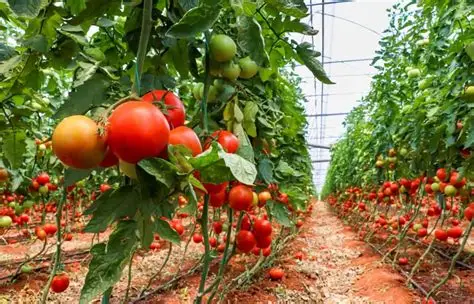
Confirmed by the Interprofessional Federation of the Fruit and Vegetable Sector (FIFEL), the suspension targets new export permits for overland trade corridors supplying West Africa, while high-value sea and land routes into the European Union remain exempt. The decision underscores a widening policy tension across North Africa between national food sovereignty mandates and continental trade integration goals. Driven by reduced agricultural yields in Souss-Massa—Morocco’s primary horticultural heartland—alongside compounding fuel costs and rising fertilizer prices, the supply shortfall has severely strained local household budgets.
The policy asymmetry exposes regional structural vulnerabilities across multiple economic and geopolitical fronts:The exemption of European destinations highlights the fiscal hierarchy of Morocco's agricultural sector. As the second-largest external tomato supplier to the EU, preserving hard-currency earnings from high-paying European contracts remains a structural priority for the Ministry of Finance. By contrast, restricting the lower-margin overland trade across West Africa minimizes immediate losses for commercial agribusinesses while containing domestic consumer backlash.
For West African nations—particularly Mauritania, Senegal, and Mali—the sudden halt in Moroccan imports risks triggering immediate localized price spikes. These trade channels rely heavily on overland trucking via the Guerguerat border crossing, meaning supply pauses ripple quickly through regional wholesale markets that depend on Moroccan produce during off-season cycles.
The suspension also tests the operational spirit of the African Continental Free Trade Area (AfCFTA). While government officials emphasize that the measure is temporary and intended strictly to curb domestic inflation, non-tariff trade barriers and abrupt export bans undermine predictable commercial corridors across the continent. As the government rolls out transport subsidies and attempts to restructure regional distribution networks to eliminate intermediary markups, the suspension serves as a stark reminder of how climate stress and input inflation continue to push African governments toward protectionist trade policies at the expense of regional supply chain stability.