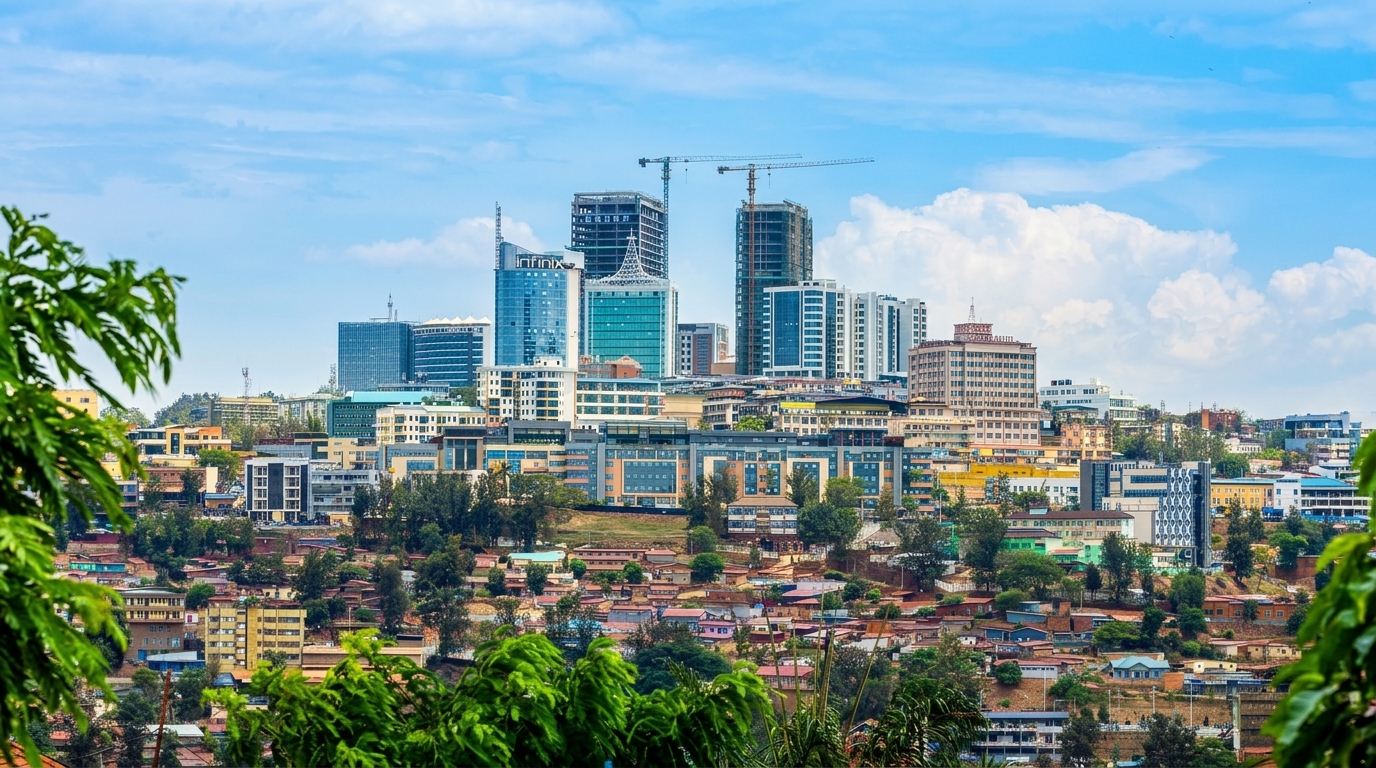
The double-digit surge repositions Kigali as one of Sub-Saharan Africa’s fastest-growing economies, propelled by robust domestic consumption, sustained foreign direct investment, and sharp rebounds across services, construction, and value-added manufacturing. The NISR report highlights that strategic infrastructure investments—including regional transport corridor expansions and tourism sector modernization under the "Visit Rwanda" initiative—delivered strong multiplier effects across urban commercial hubs.
Behind the strong top-line figure, economic analysts emphasize critical structural dynamics and fiscal vulnerabilities shaping the country's growth trajectory: The services sector remained the primary engine of national expansion, driven by financial services, telecommunications, conference tourism, and wholesale trade. Heavy public capital expenditure into transport networks and municipal upgrades supported double-digit performance in construction, while targeted manufacturing incentives bolstered food processing and light industrial production.
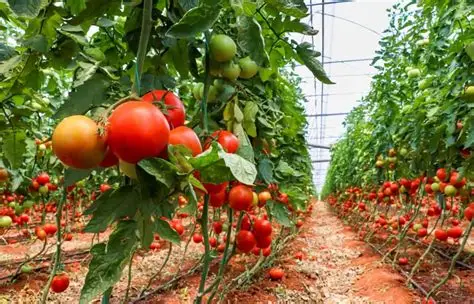
Despite positive aggregate growth, the agricultural sector—which employs the majority of the rural workforce—continued to grapple with climate-induced rainfall variability and input cost pressures. The widening growth gap between urban services and rural subsistence agriculture underscores ongoing structural inequality, leaving vulnerable households exposed to food price volatility despite strong overall GDP figures.
To sustain its rapid growth, Kigali has relied heavily on external borrowing and official development assistance (ODA) to fund infrastructure projects and public enterprise guarantees. Economic policy observers note that maintaining a 10.6 percent growth rate requires careful fiscal consolidation to prevent debt service costs from crowding out social spending, particularly as global interest rates fluctuate and concessional financing streams tighten across sub-Saharan Africa. The national statistical output provides the East African Community (EAC) with its strongest post-pandemic growth metric to date. However, regional economists caution that translating top-line fiscal expansion into broad-based poverty reduction will require the Ministry of Finance and Economic Planning to address persistent trade deficits and accelerate agricultural productivity across the countryside.