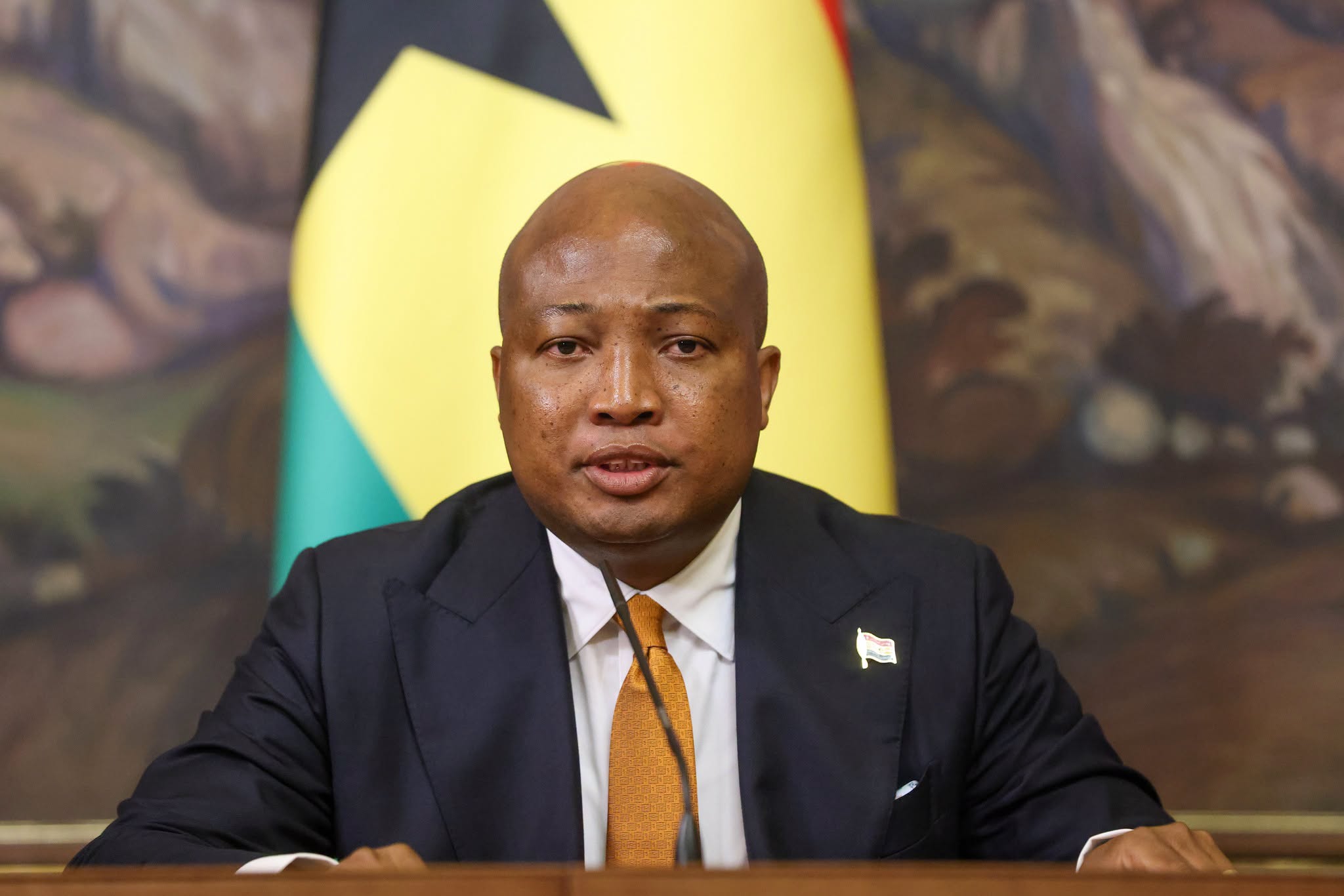
Announced by Foreign Affairs Minister Samuel Okudzeto Ablakwa under a diplomatic mandate from President John Dramani Mahama, the initiative seeks to establish a structured preferential trade corridor between Africa and the Caribbean.
By leveraging the AfCFTA Secretariat—headquartered in Accra—Ghana is attempting to position itself as the primary trade bridge connecting the 1.3 billion-person African market with the Caribbean’s regional economic bloc. The push to bridge the Atlantic commercial gap carries profound economic and structural implications for transcontinental trade dynamics.
Despite shared cultural initiatives and high-level diplomatic rhetoric surrounding the African Diaspora, bilateral trade between sub-Saharan Africa and CARICOM states remains below 1 percent of their total global trade volumes. The Ghanaian proposal aims to eliminate tariff barriers, simplify maritime transport routes, and establish direct air cargo logistics to make cross-Atlantic commerce financially viable for private sector enterprises.
Harmonizing trade rules under an expanded AfCFTA framework presents immediate opportunities in agriculture, processed foods, financial services, pharmaceuticals, and tourism. Caribbean nations stand to gain access to raw materials and expanded African consumer markets, while West African exporters can access Caribbean supply chains integrated into North and South American trade routes.Institutional Integration Bottlenecks: Structurally expanding AfCFTA to non-continental sovereign states presents complex legal and regulatory challenges.
Incorporating CARICOM member states requires negotiating specific rules of origin, service sector liberalizations, and dispute settlement protocols within an AfCFTA infrastructure that is still completing its own internal tariff alignment among African Union member states.Diaspora Capital and Direct Foreign Investment: President Mahama’s administration is framing the economic link as a mechanism to mobilize diaspora investment. By creating institutional protections and tax incentives under a unified AfCFTA-Caribbean framework, the initiative seeks to attract sovereign wealth, private equity, and commercial banking capital from the Caribbean into West Africa's infrastructure and industrial manufacturing sectors.