Live

Africa’s New Nuclear Strategy Takes Shape Through Twin Forums on Health and Energy

The International Atomic Energy Agency (IAEA) is expanding its presence in Africa with two landmark engagements this week—first in Ethiopia, then in Rwanda—highlighting the continent’s growing reliance on nuclear science to strengthen public health and pursue clean energy innovation. In Addis Ababa, Ethiopia hosted the 2025 edition of the “Rays of Hope” Forum on June […]

Author

Staff Writer • 5 min read

Wednesday, 2 July 2025 2 Jul 2025
Share𝕏f
Africa’s New Nuclear Strategy Takes Shape Through Twin Forums on Health and Energy

The International Atomic Energy Agency (IAEA) is expanding its presence in Africa with two landmark engagements this week—first in Ethiopia, then in Rwanda—highlighting the continent’s growing reliance on nuclear science to strengthen public health and pursue clean energy innovation.

In Addis Ababa, Ethiopia hosted the 2025 edition of the “Rays of Hope” Forum on June 30 and July 1, where IAEA Director General Rafael Mariano Grossi met with Prime Minister Abiy Ahmed and African Union officials to discuss the rapid expansion of nuclear medicine and cancer care on the continent. Held at the AU headquarters, the forum brought together health ministers, donors, and technical experts from over 30 countries. During the visit, Grossi inaugurated new nuclear medicine facilities at Black Lion Hospital, equipped with SPECT/CT scanners and a modern linear accelerator, making it one of the leading radiotherapy centers in East Africa.

Grossi also announced a formal partnership between the IAEA and St. Jude Children’s Research Hospital to scale up pediatric cancer care in low- and middle-income countries, starting with several African pilot nations. Ethiopia’s participation in the Rays of Hope initiative, which now involves over 90 countries, is focused on addressing critical gaps in radiotherapy and diagnostics, particularly in underserved regions. The Director General reaffirmed the IAEA’s commitment to strengthening Ethiopia’s health infrastructure, food safety systems, veterinary capacity, and regulatory oversight.

Just one day after wrapping up in Ethiopia, Grossi traveled to Kigali, Rwanda, to open the first-ever Nuclear Energy Innovation Summit for Africa (NEISA), which began on July 1 and runs through July 2. Hosted by the Government of Rwanda, the summit positions the country at the forefront of Africa’s long-term nuclear energy plans. During his visit, Grossi held bilateral talks with President Paul Kagame and Prime Minister Edouard Ngirente to discuss Rwanda’s ambitions to deploy small modular reactors (SMRs) by the end of the decade.

Rwanda has invested significantly in nuclear research infrastructure, including the Center for Nuclear Science and Technology (CNST), and has signed multiple cooperation agreements to ensure its regulatory and technical readiness. In his keynote address, Grossi emphasized the critical role of SMRs in delivering clean, stable power for African economies struggling with climate-induced hydropower instability. The IAEA also launched its new SMR School program during the summit to support African countries pursuing next-generation nuclear solutions.

The back-to-back engagements signal a major pivot in Africa’s development strategy, as nations increasingly turn to nuclear technologies not just for power generation but for broader socio-economic transformation. Ethiopia and Rwanda—though focused on different aspects of nuclear science—are unified by a vision of sovereignty through science, economic resilience, and regional leadership.

In Ethiopia, the priority lies in strengthening health systems to reduce preventable cancer deaths and cut the cost of outbound medical tourism. Expanded nuclear medicine also supports workforce development and anchors the country’s ambitions to become a regional hub for biotechnology and health innovation.
Advertisement

Reach 2M+ pan-African readers

Advertise with us →

Rwanda, on the other hand, is pursuing nuclear energy to meet growing electricity demands, support industrialization, and reduce reliance on fossil fuel imports and vulnerable hydro sources. The integration of nuclear power is a key component of its Vision 2050 agenda, which targets upper-middle-income status through technological advancement and sustainable infrastructure.

Both cases are deeply economy-driven. Nuclear health in Ethiopia reduces the importation of expensive treatments while training local professionals and building new career pipelines. In Rwanda, nuclear energy is viewed as essential for powering data centers, manufacturing, and high-tech exports. The common denominator is a commitment to long-term investment in human capital, scientific independence, and clean growth.

The IAEA’s presence in Addis Ababa and Kigali within a span of days is more than symbolic—it represents a deliberate partnership model aimed at helping African nations build and regulate their own nuclear systems. These efforts are already shaping new conversations about financing, workforce development, and south-south collaboration on the continent.

By: TPA News Desk | editor@thepointafricanews.com

Author

Written by

Staff writer at The Point Africa News.

Related Stories

78-Hour Legislative Ultimatum: House Intervenes as Monrovia Port Gridlock Strangles Liberian Supply Chains
Business

78-Hour Legislative Ultimatum: House Intervenes as Monrovia Port Gridlock Strangles Liberian Supply Chains

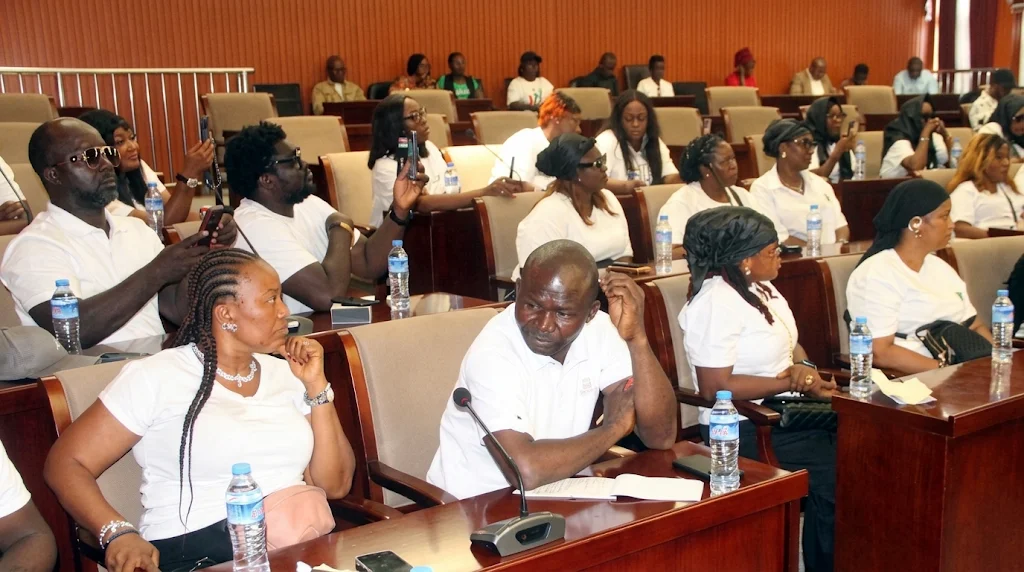
MONROVIA, Liberia — The House of Representatives has stepped directly into Liberia’s maritime logistics crisis, constituting a Joint Committee on Good Governance and Maritime Affairs and imposing a strict 78-hour deadline to dismantle severe cargo congestion at the Freeport of Monrovia.

David S. Johnson•21h ago

Ghana Champions Inclusion of Caribbean Nations in AfCFTA Architecture
Business

Ghana Champions Inclusion of Caribbean Nations in AfCFTA Architecture

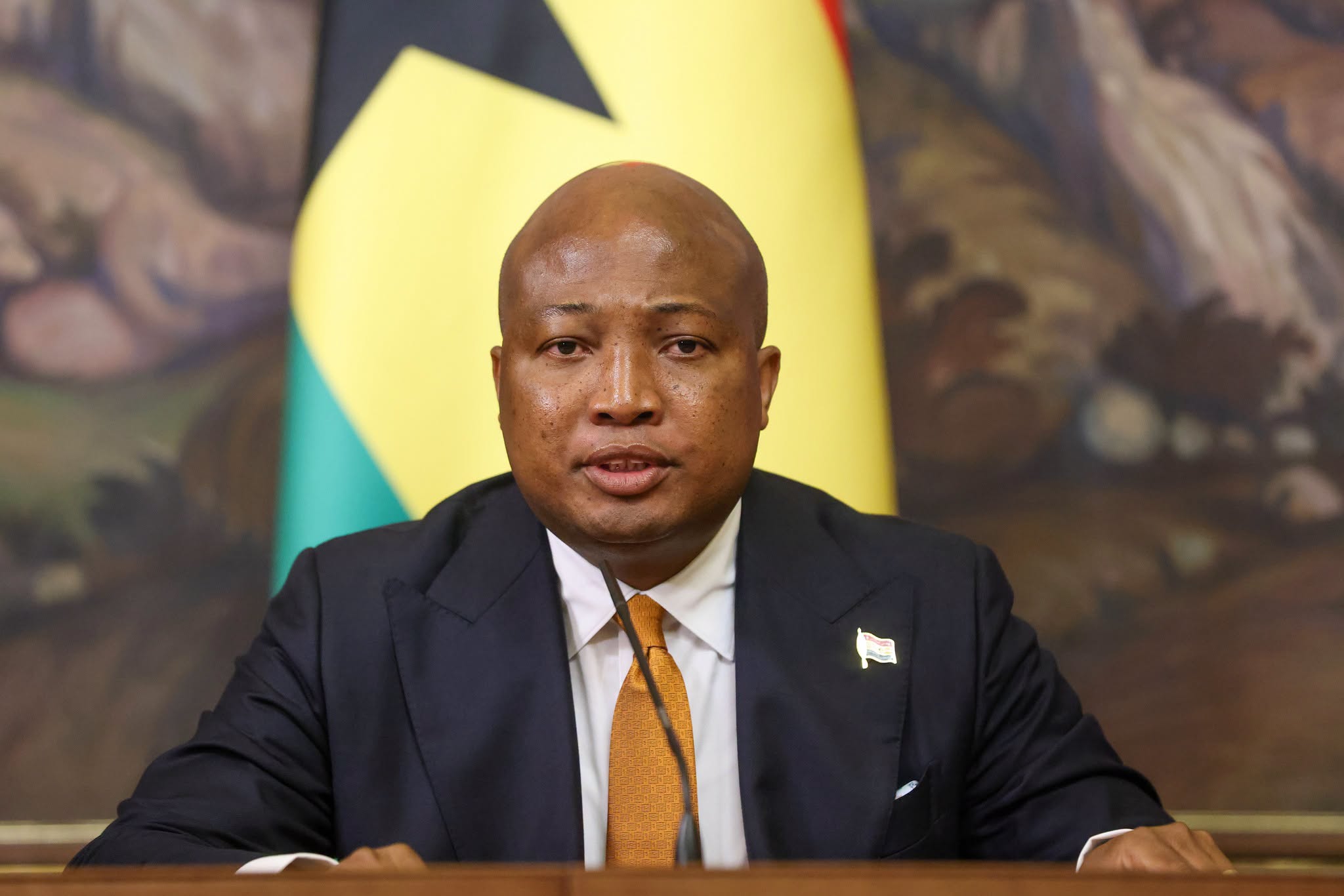
ACCRA, Ghana — In a move aimed at translating historical transcontinental ties into formal commercial structures, Ghana has formally proposed extending the trade and investment framework of the African Continental Free Trade Area (AfCFTA) to include the Caribbean Community (CARICOM).

David S. Johnson•23h ago

Morocco Halts African Tomato Shipments as Domestic Inflation Mounts
Business

Morocco Halts African Tomato Shipments as Domestic Inflation Mounts

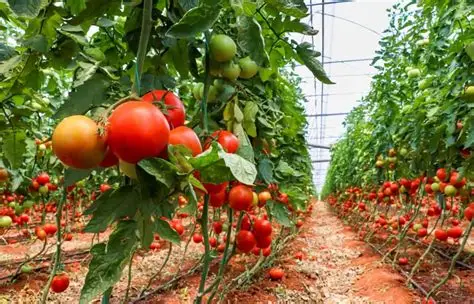
RABAT, Morocco — The Moroccan government has temporarily suspended export permits for fresh tomatoes bound for sub-Saharan African markets, prioritizing domestic supply stabilization as retail prices approach record highs of 12 to 15 dirhams ($1.20–$1.50) per kilogram in local markets.

David S. Johnson•23h ago

OECD Warns Africa’s Shallow Corporate Debt Markets Constrain Private Sector Expansion
Business

OECD Warns Africa’s Shallow Corporate Debt Markets Constrain Private Sector Expansion

PARIS, France — Africa’s corporate debt markets remain structurally undersized and ill-equipped to supply the long-term capital required for continental economic growth, according to the OECD’s Africa Capital Markets Report 2026 released on Friday. Outstanding market-based corporate debt across all 54 African economies reached just $211 billion at the end of 2025—representing a mere 0.3 percent of global corporate debt despite the continent accounting for nearly 2.7 percent of global GDP.

David S. Johnson•23h ago

Enjoying our journalism?

Get the biggest African stories in your inbox every morning.

By subscribing you agree to our privacy policy. Unsubscribe anytime.