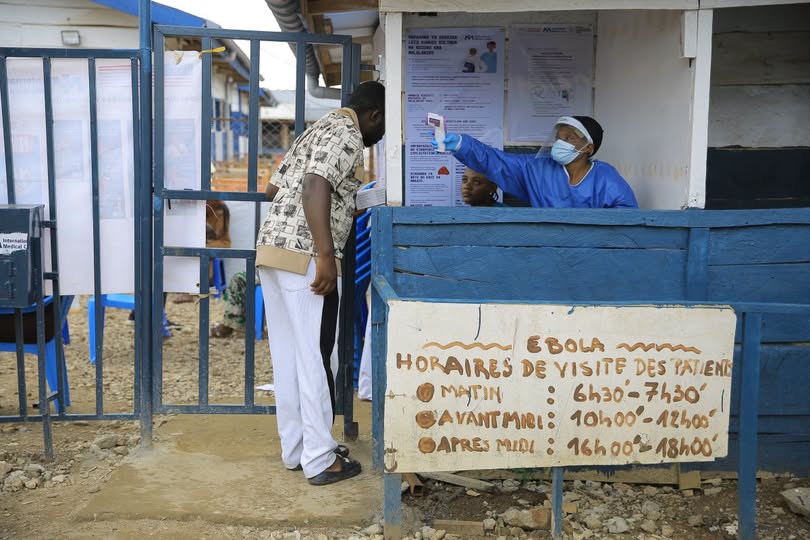
Government data show that the outbreak has recorded 11,042 confirmed infections, making it the largest and deadliest Ebola outbreak in the country's history. The outbreak, declared in May 2026, is caused by the Bundibugyo strain of the Ebola virus. It has affected eight of the country's 26 provinces, with Ituri and North Kivu among the hardest-hit areas.
The outbreak has also spread beyond the DRC, with related cases reported in other African countries, including Kenya and Nigeria. Health authorities have faced difficulties containing transmission amid armed conflict, weak health infrastructure, delayed detection and limited access to affected communities.
The Bundibugyo strain presents an additional challenge because there is currently no licensed vaccine or specific treatment approved for it. However, patients can receive supportive medical care, which is important in improving their chances of survival.
The World Health Organization has approved clinical trials of candidate vaccines against the strain, with results expected in early 2027.
The current outbreak is now considered the second-largest and second-deadliest Ebola outbreak recorded globally, behind the 2014–2016 West African epidemic, which infected more than 28,000 people and killed over 11,000.
Health authorities continue to emphasize surveillance, early detection, contact tracing, safe burial practices and community cooperation as essential measures to contain the outbreak.