Live

Liberia Moves to Boost Power Supply with 100MW Short-Term Fix, $500M Gas Project

Monrovia, Liberia — The Government of Liberia has announced a dual-track strategy aimed at addressing persistent electricity shortages while laying the foundation for long-term energy security, combining an immediate 100-megawatt (MW) thermal solution with a planned 300MW gas-fired power project. The plan, disclosed by the Liberia Electricity Corporation (LEC), comes as the country continues to […]

Author

Staff Writer • 5 min read

Monday, 30 March 2026 30 Mar 2026
Share𝕏f
Liberia Moves to Boost Power Supply with 100MW Short-Term Fix, $500M Gas Project

Monrovia, Liberia — The Government of Liberia has announced a dual-track strategy aimed at addressing persistent electricity shortages while laying the foundation for long-term energy security, combining an immediate 100-megawatt (MW) thermal solution with a planned 300MW gas-fired power project.

The plan, disclosed by the Liberia Electricity Corporation (LEC), comes as the country continues to face recurring power constraints, particularly during the dry season when hydropower generation declines.

At the center of the short-term response is a proposed 100MW Heavy Fuel Oil (HFO) plant, expected to be deployed within 12 months in partnership with private sector actors, including MNG Mining Company. Authorities say the project is designed to stabilize supply ahead of the next dry season and reduce immediate pressure on the national grid.

Alongside this, Liberia is advancing a longer-term initiative — a 300MW combined cycle gas power plant in Buchanan, valued at approximately $500 million. The project is being developed through an agreement signed in Washington, D.C. with Tarpeh Global Initiative, with technical backing from Southern Company.

Officials say the gas project is expected to significantly reduce Liberia’s reliance on imported electricity and serve as a cornerstone of future energy stability, with commercial operations targeted for the end of 2029.

The developments form part of a broader national energy plan aligned with the policy direction of President Joseph Nyuma Boakai, who has set a target of reaching 700MW of installed generation capacity by 2030.

In addition to thermal and gas initiatives, Liberia is also pursuing major hydropower expansions, including the St. Paul 2 project, estimated at around 250MW and supported by institutions such as the World Bank, African Development Bank, and European Investment Bank. A separate St. John hydropower project, projected at approximately 316MW, is being developed with private sector participation.
Advertisement

Reach 2M+ pan-African readers

Advertise with us →

The government says this combined approach reflects an effort to diversify Liberia’s energy mix while addressing structural weaknesses in the sector, including overreliance on hydropower and limited domestic generation capacity.

Speaking on the initiative, LEC Managing Director Mohammed M. Sherif said the strategy is intended to restore confidence in the sector while supporting economic growth and improving living conditions. Other officials, including representatives from the National Investment Commission and the Ministry of Foreign Affairs, emphasized the role of the project in attracting foreign investment and strengthening Liberia’s economic outlook.

Despite the long-term ambitions, authorities acknowledged ongoing challenges, particularly for households and businesses affected by unreliable electricity. The government says the short-term HFO solution is aimed at easing these pressures while larger infrastructure projects are developed.

Energy analysts note that while the plan signals a significant shift toward expanding domestic generation, its success will depend on timely execution, financing, and sustained coordination between public institutions and private partners.

If implemented as outlined, the combined projects could mark one of the most ambitious overhauls of Liberia’s power sector in decades, with potential implications for industrial growth, job creation, and regional energy positioning.

Author

Written by

Staff writer at The Point Africa News.

Related Stories

78-Hour Legislative Ultimatum: House Intervenes as Monrovia Port Gridlock Strangles Liberian Supply Chains
Business

78-Hour Legislative Ultimatum: House Intervenes as Monrovia Port Gridlock Strangles Liberian Supply Chains

MONROVIA, Liberia — The House of Representatives has stepped directly into Liberia’s maritime logistics crisis, constituting a Joint Committee on Good Governance and Maritime Affairs and imposing a strict 78-hour deadline to dismantle severe cargo congestion at the Freeport of Monrovia.

David S. Johnson•21h ago

Ghana Champions Inclusion of Caribbean Nations in AfCFTA Architecture
Business

Ghana Champions Inclusion of Caribbean Nations in AfCFTA Architecture

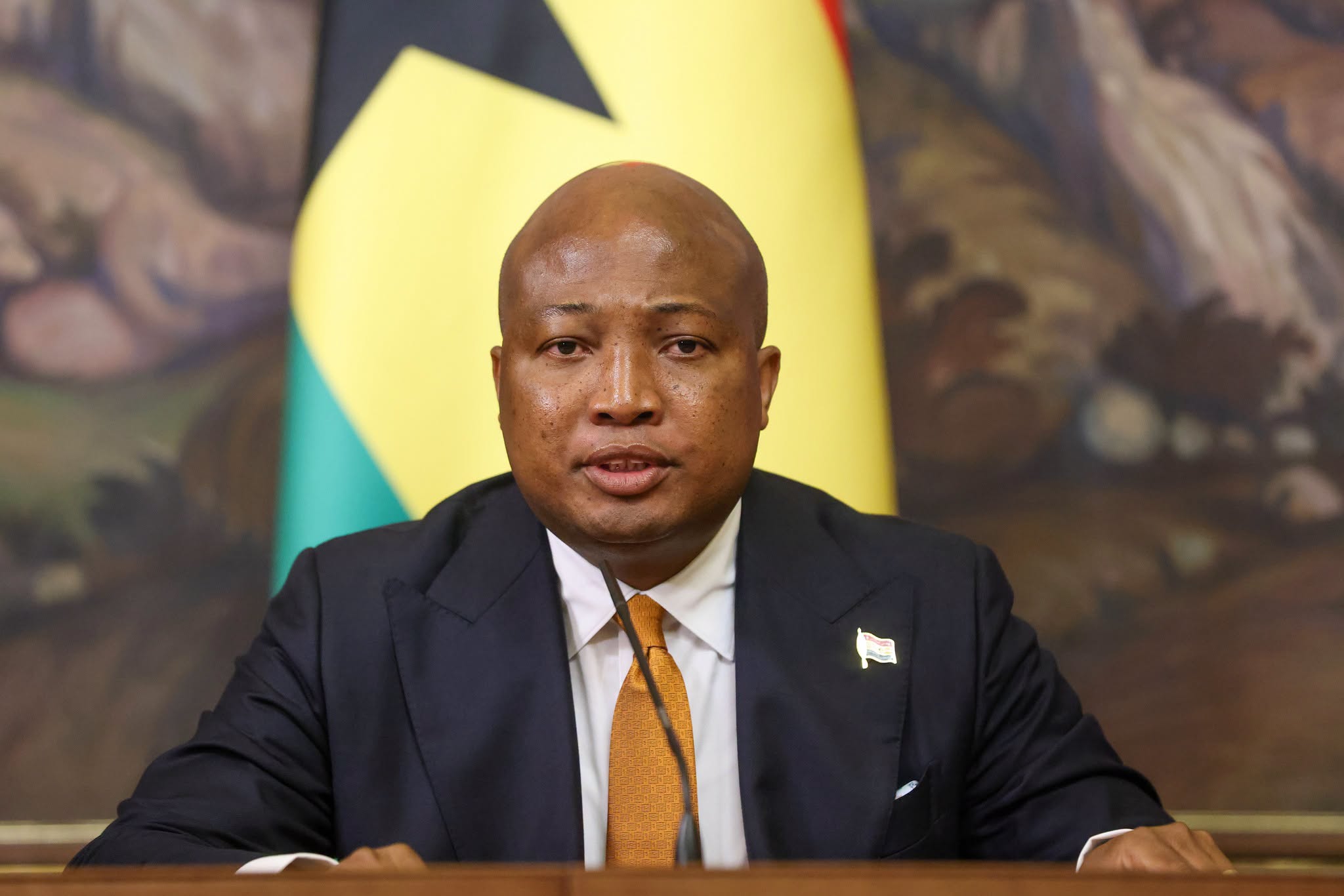
ACCRA, Ghana — In a move aimed at translating historical transcontinental ties into formal commercial structures, Ghana has formally proposed extending the trade and investment framework of the African Continental Free Trade Area (AfCFTA) to include the Caribbean Community (CARICOM).

David S. Johnson•23h ago

Morocco Halts African Tomato Shipments as Domestic Inflation Mounts
Business

Morocco Halts African Tomato Shipments as Domestic Inflation Mounts

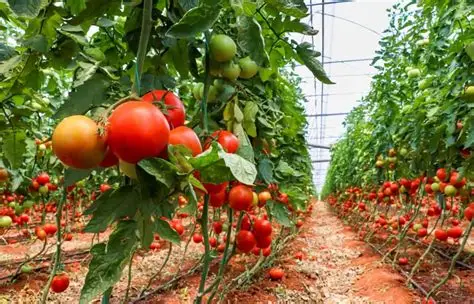
RABAT, Morocco — The Moroccan government has temporarily suspended export permits for fresh tomatoes bound for sub-Saharan African markets, prioritizing domestic supply stabilization as retail prices approach record highs of 12 to 15 dirhams ($1.20–$1.50) per kilogram in local markets.

David S. Johnson•23h ago

OECD Warns Africa’s Shallow Corporate Debt Markets Constrain Private Sector Expansion
Business

OECD Warns Africa’s Shallow Corporate Debt Markets Constrain Private Sector Expansion

PARIS, France — Africa’s corporate debt markets remain structurally undersized and ill-equipped to supply the long-term capital required for continental economic growth, according to the OECD’s Africa Capital Markets Report 2026 released on Friday. Outstanding market-based corporate debt across all 54 African economies reached just $211 billion at the end of 2025—representing a mere 0.3 percent of global corporate debt despite the continent accounting for nearly 2.7 percent of global GDP.

David S. Johnson•23h ago

Enjoying our journalism?

Get the biggest African stories in your inbox every morning.

By subscribing you agree to our privacy policy. Unsubscribe anytime.