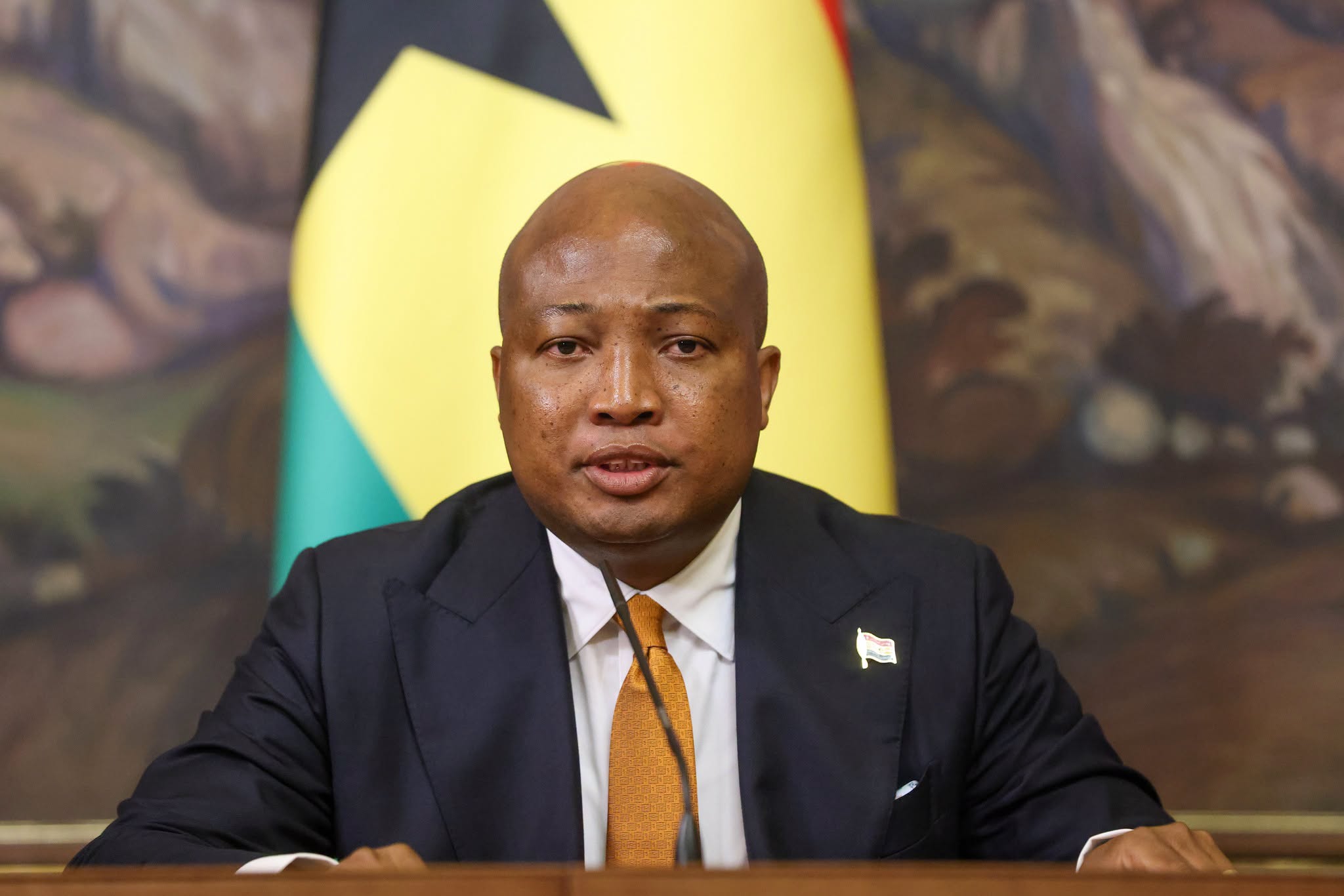

Margibi County, Liberia — President Joseph Nyuma Boakai has launched an ambitious 10-year national fisheries plan, positioning Liberia as a future leader in Africa’s blue economy while delivering a pointed warning to investors: the country is “open for business, not exploitation.”
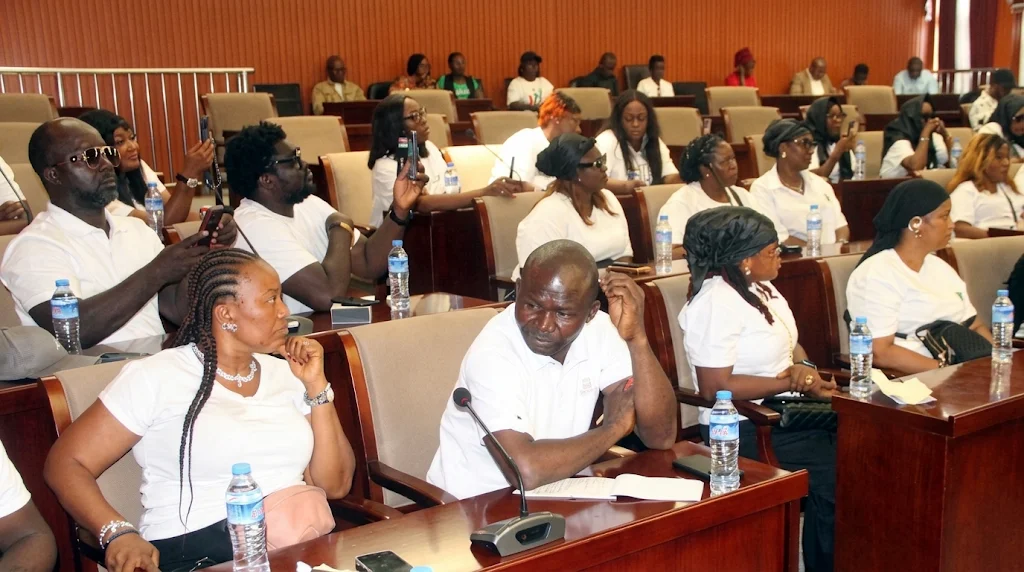
Speaking at the opening of the NaFAA Fisheries Conference at the Farmington Hotel, the President framed the initiative as a turning point for a sector long characterized by underinvestment, weak infrastructure, and limited local benefit despite abundant marine resources.
“To those considering investment in Liberia’s fisheries, hear me clearly: we are open for business, but we are not open for exploitation,” Boakai declared, signaling a shift toward partnerships that prioritize local capacity, environmental safeguards, and equitable returns.
The plan, launched under the theme “Unlocking Blue Horizon; the Future of Fisheries and the Blue Economy,” aims to mobilize investment while aligning with continental and global frameworks, including the African Union’s blue economy strategy and international sustainability goals.
Yet beneath the strong rhetoric lies a deeper structural challenge. Liberia possesses one of West Africa’s richest marine zones, with waters extending 200 nautical miles into the Atlantic and a coastline stretching over 570 kilometers. Despite this, the country continues to import more than 33,000 metric tons of fish annually — a paradox that underscores longstanding inefficiencies in the sector.
Boakai himself acknowledged the gap, noting that high-value fish caught in Liberian waters are often landed in foreign ports due to the absence of a dedicated fishing harbor. Artisanal fishers, who account for roughly 80 percent of domestic production, continue to operate with limited cold storage, weak market access, and minimal financial inclusion.
The administration’s response is a pivot toward public-private partnerships and value-chain development, moving away from heavy reliance on industrial fishing license fees. Officials say this new model is designed to retain more revenue locally while expanding employment and boosting exports.
Among the flagship commitments highlighted were a €25 million European Union grant to strengthen artisanal fisheries, partnerships with Orange Liberia to introduce mobile payment systems, and plans to operationalize long-dormant infrastructure such as the Robertsport fishing cluster. The government also pointed to ongoing collaboration with the World Bank under the Liberia Sustainable Management of Fisheries Project.