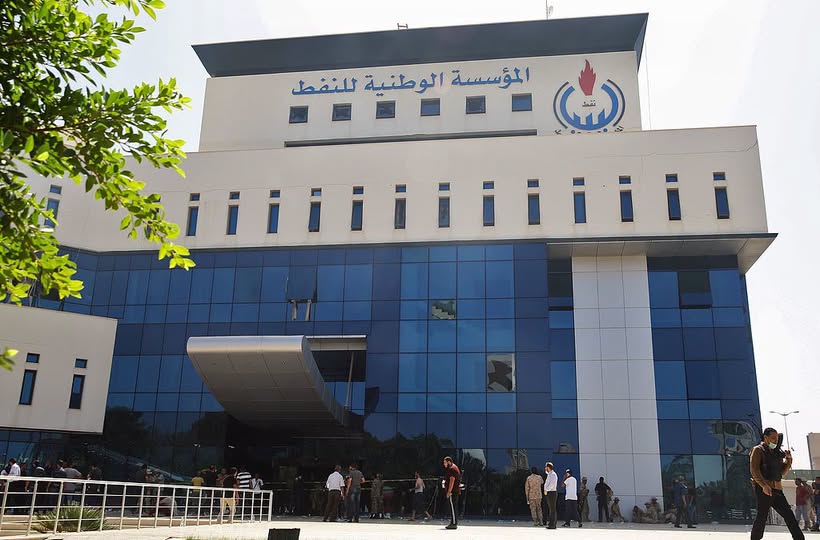
The meeting follows the consortium’s successful bid for the deep-water exploration licence in January and marks a step toward implementing its planned exploration programme.
According to the NOC, the proposed work includes a three-dimensional (3D) seismic survey covering 2,676 square kilometres, alongside a 1,500-kilometre linear seismic survey. Both activities are scheduled for the second quarter of 2027.
Block 22 lies in an offshore area where water depths reach approximately 2,000 metres, presenting significant technical requirements for exploration.
Seismic surveys use sound waves to map underground geological formations and help identify structures that may contain oil or natural gas. The planned surveys will provide information to guide decisions on further exploration, including whether drilling is justified. They do not, on their own, confirm the presence of commercially recoverable reserves.
The NOC said the discussions form part of its efforts to strengthen cooperation with international energy companies and increase Libya’s oil and gas reserves in support of the national economy.
The consortium’s licence was awarded during Libya’s first oil and gas exploration bidding round since 2007, as the country seeks to attract renewed international investment into its energy sector.
Oil remains central to Libya’s economy, accounting for more than 95 percent of its economic output, according to the NOC. The outcome of the Block 22 exploration programme will depend on the geological findings and any subsequent drilling and commercial assessments.