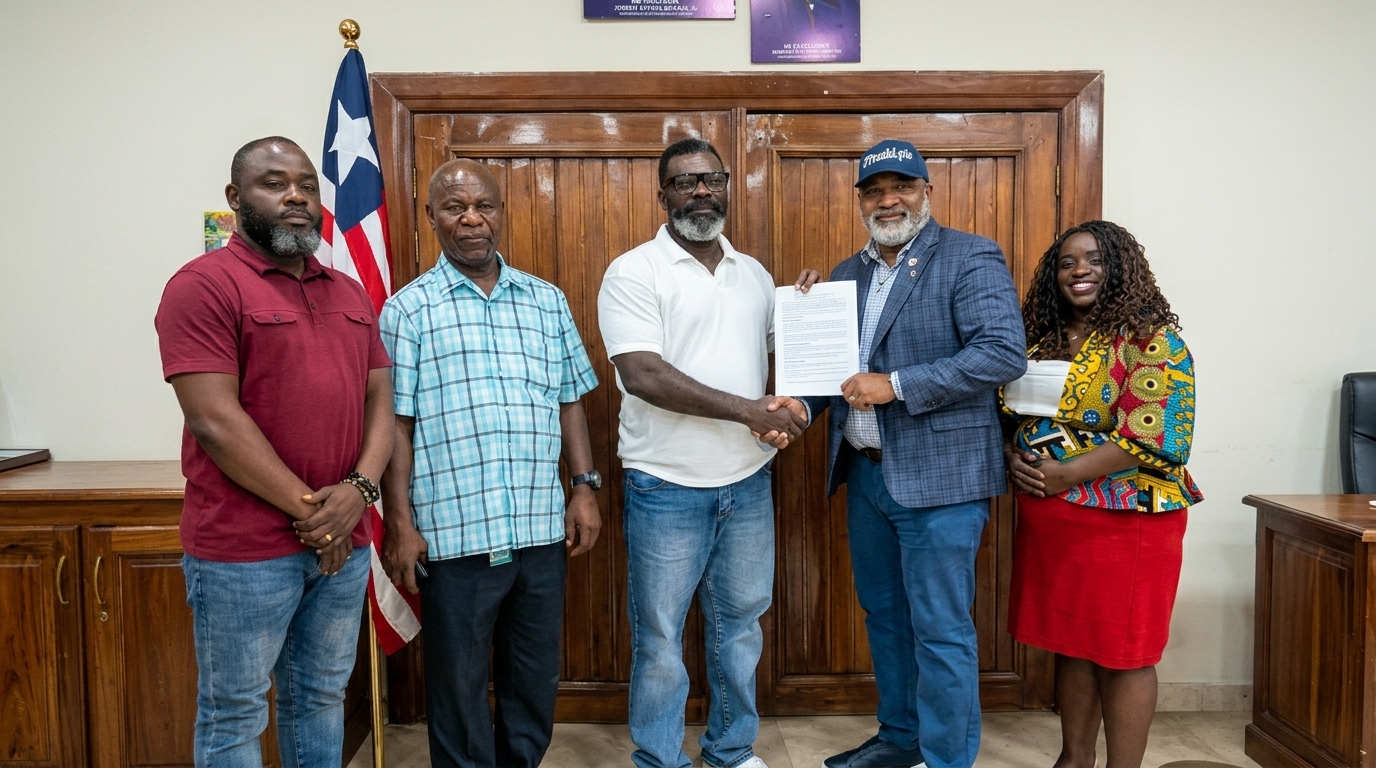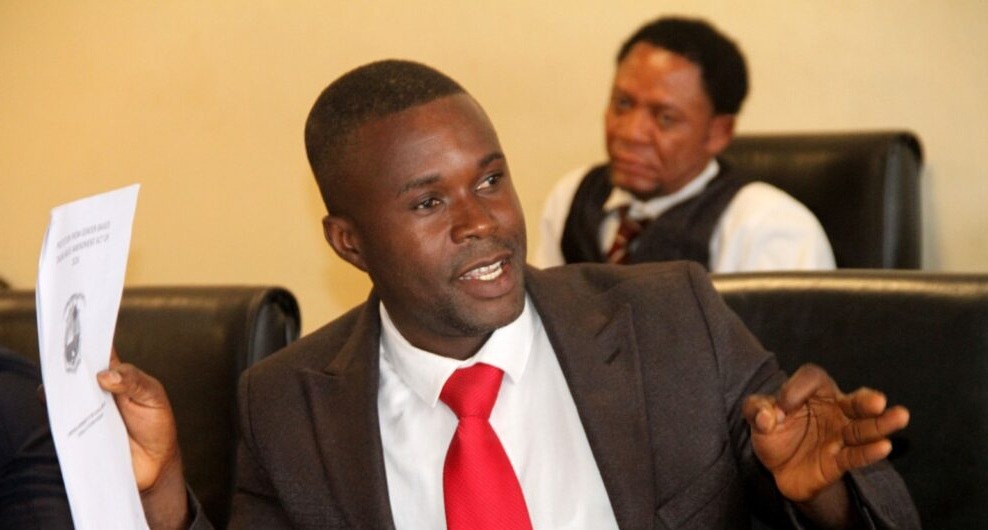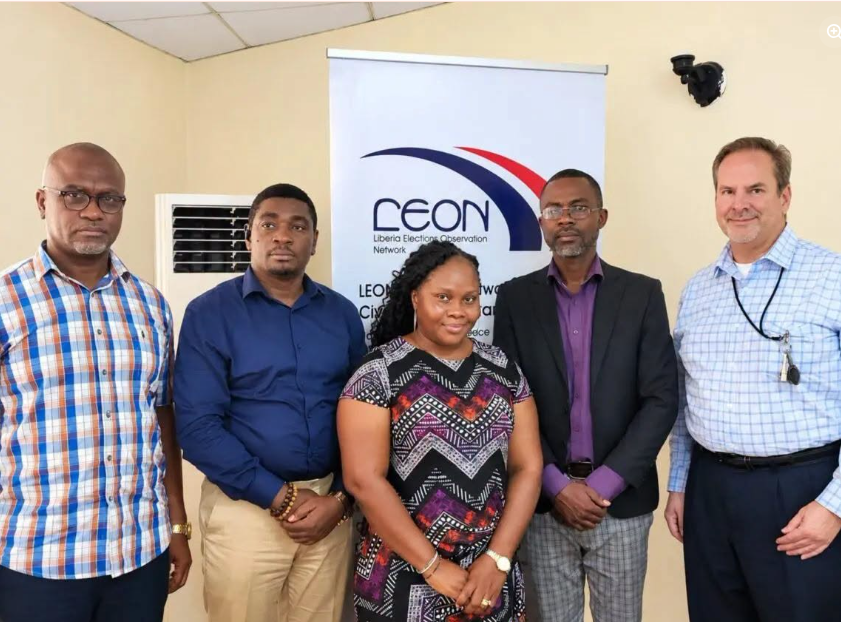
Historically, both organizations have anchored domestic civil society oversight of Liberian democracy. The ECC, established as a non-partisan coalition ahead of the landmark 2011 polls, and LEON, formed in 2017 to provide data-driven monitoring of electoral integrity, have traditionally operated as independent watchdogs.
While their parallel deployments during the 2017 and 2023 presidential elections verified vote tallies and monitored polling place dynamics, post-election evaluations repeatedly identified a critical breakdown: monitoring recommendations rarely translated into enacted legislative reform once election cycles concluded.
By combining institutional capacity, the joint initiative targets key legislative updates. Priorities include codifying mandatory gender quotas to boost women's political representation, establishing enforceable rules for legislative seat apportionment following demographic shifts, and guaranteeing full electoral inclusion for marginalized populations and persons with disabilities. Civil society leaders at the signing ceremony emphasized that initiating advocacy three years before the 2029 polls is intentional.
Historical precedents in Monrovia show that electoral amendments introduced late in an election cycle frequently stall in committee or face administrative rejection by the National Elections Commission (NEC) due to compressed timelines. Early civic coordination ensures draft amendments reach the 55th Legislature with sufficient time for formal consideration.