Niger Pushes for Resource Sovereignty, Seizes Control of French-Operated Uranium Mine
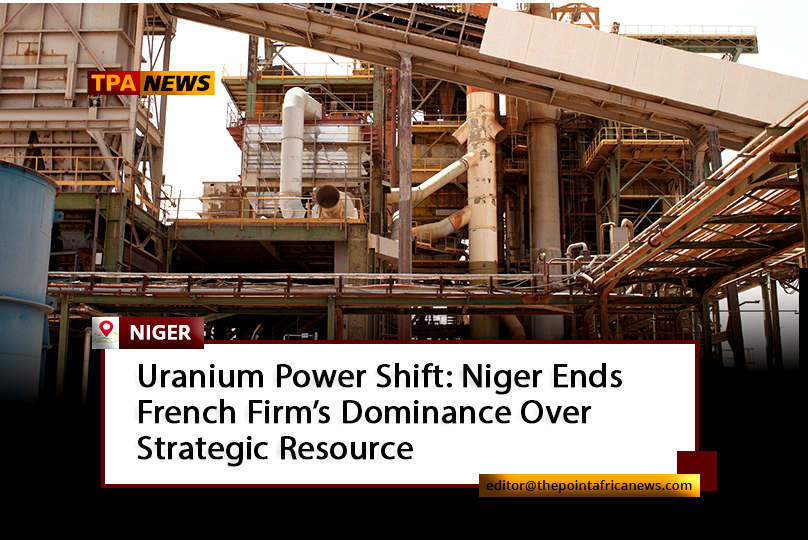
By: TPA News Desk | editor@thepointafricanews.com Niger’s government has nationalised the SOMAÏR uranium mine, removing French nuclear company Orano’s majority stake. The decision, made earlier this week, is part of Niger’s broader effort to take direct control of its uranium resources amid ongoing disputes over profit sharing and management. The SOMAÏR site, one of Niger’s […]
Niger’s government has nationalised the SOMAÏR uranium mine, removing French nuclear company Orano’s majority stake. The decision, made earlier this week, is part of Niger’s broader effort to take direct control of its uranium resources amid ongoing disputes over profit sharing and management.
The SOMAÏR site, one of Niger’s largest uranium assets, had been operated by Orano (formerly Areva) for decades under a joint venture agreement with Niger’s state mining company, SOPAMIN. Nigerien authorities have long criticized the arrangement as unequal, accusing Orano of extracting disproportionate profits while the country’s communities remained impoverished.
“Our uranium must work for Niger, not against it,” declared a government spokesperson, emphasizing that the move is in line with broader national interests and not targeted at any one foreign partner.
The dispute with Orano intensified after Niger canceled the company’s permit for the Imouraren project in 2024, citing lack of progress. Orano had held rights to that deposit—the second-largest known uranium reserve in the country—for years without launching commercial operations.
In response to the nationalization, Orano has begun international arbitration, asserting that the takeover violates existing contractual protections. The company has also expressed concern over political instability, hinting at plans to sell off its Niger-based assets.
However, for many in Niger, the decision reflects a deeper awakening. Since the July 2023 military coup, the country has pivoted sharply away from its former French ties and toward policies that prioritize local control over key resources. Niger joins a growing list of Sahelian states—including Mali and Burkina Faso—that have pushed back against foreign dominance in mining and energy sectors.
Economists warn that short-term instability may follow, particularly with uranium exports paused and key contracts under review. But others argue that the long-term gain—if managed transparently—could reposition Niger as not just a source of raw materials, but a stakeholder in the global nuclear supply chain.
With uranium prices rising amid global demand for low-carbon energy, Niger’s uranium reserves are more geopolitically valuable than ever. The question now is whether Niger can translate resource ownership into real, broad-based development.