Live

President Boakai Endorses LPRC’s Direct Fuel Import Plan to Stabilize Market

By: TPA News Desk | Local Stories | www.thepointafricanews.com/africa/local-stories President Joseph Nyuma Boakai has thrown his full support behind a landmark shift in Liberia’s petroleum sector, endorsing the Liberia Petroleum Refining Company (LPRC) to directly import fuel into the country. The decision, revealed during his Independence Day address on July 26, is part of a […]

Author

Staff Writer • 5 min read

Sunday, 27 July 2025 27 Jul 2025
Share𝕏f
President Boakai Endorses LPRC’s Direct Fuel Import Plan to Stabilize Market

By: TPA News Desk | Local Stories | www.thepointafricanews.com/africa/local-stories

President Joseph Nyuma Boakai has thrown his full support behind a landmark shift in Liberia’s petroleum sector, endorsing the Liberia Petroleum Refining Company (LPRC) to directly import fuel into the country. The decision, revealed during his Independence Day address on July 26, is part of a broader government effort to stabilize fuel prices, ensure consistent supply, and reduce the burden on Liberian consumers amid frequent shortages and erratic pricing.

In his address, President Boakai said the move would not replace private importers but rather complement them through what he termed a “dual-track supply system.” According to the President, empowering the LPRC to participate in the importation of petroleum products will enhance transparency, introduce healthy competition, and restore public trust in a market long dominated by a few private entities.

Boakai’s announcement comes against the backdrop of growing public frustration over fuel scarcity and price volatility in Monrovia and other parts of the country. Long queues at gas stations have become a recurring problem, triggering public outcry and disruptions in transport and commerce. The President underscored that the government could no longer afford to remain a passive observer while Liberians endured economic shocks from fuel instability. “We cannot continue to rely solely on the private sector for this strategic commodity,” Boakai declared. “Government must play a responsible role.”

Multiple independent media reports, including coverage from FrontPage Africa, Smart News Liberia, and Liberian Investigator, have confirmed Boakai’s backing of the LPRC strategy. The LPRC, long relegated to fuel storage and distribution, will now assume a more active role in securing and supplying petroleum products such as gasoline, diesel, and kerosene. In a parallel development, the company has embarked on constructing a major 17,000-cubic-meter gasoline tank and a petroleum testing laboratory on Bushrod Island. These projects, which the President broke ground for earlier this month, are intended to support the new import capacity with improved quality control and storage.
Advertisement

Reach 2M+ pan-African readers

Advertise with us →

The President’s decision was met with cautious optimism by analysts who argue that Liberia’s fuel import market has long lacked proper oversight. Critics have accused certain private importers of hoarding products, inflating prices, and leveraging supply chain gaps to maximize profit at the expense of consumers. Government officials say the LPRC’s re-entry into the market will provide a check on these practices and create a fairer environment for both businesses and the public.

Social media channels and local community reports further amplified news of the policy shift, noting that more than 3.5 million gallons of petroleum products were expected to arrive as part of LPRC’s initial efforts. That quantity, once distributed, is projected to ease the short-term fuel crisis and signal the start of a more predictable national supply system.

President Boakai, who once worked at LPRC during his early career, also pointed to his previous suspension of import surcharges as proof of his administration’s resolve to make petroleum products more affordable. While the LPRC’s new importation mandate is not without challenges—including concerns over efficiency and bureaucratic bottlenecks—Boakai reassured the public that strong regulatory measures will accompany the initiative to ensure accountability and sustainability.

The initiative marks one of the most ambitious state-led interventions in Liberia’s energy sector in recent years. If successfully implemented, it could redefine the role of government in managing strategic commodities and provide a model for addressing structural inefficiencies in other key sectors of the economy.

Author

Written by

Staff writer at The Point Africa News.

Related Stories

78-Hour Legislative Ultimatum: House Intervenes as Monrovia Port Gridlock Strangles Liberian Supply Chains
Business

78-Hour Legislative Ultimatum: House Intervenes as Monrovia Port Gridlock Strangles Liberian Supply Chains

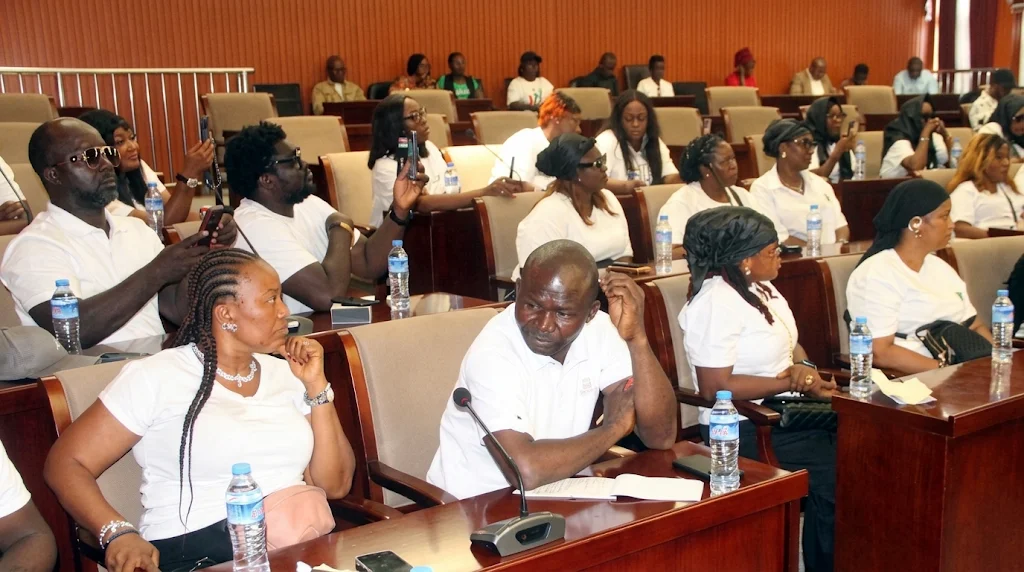
MONROVIA, Liberia — The House of Representatives has stepped directly into Liberia’s maritime logistics crisis, constituting a Joint Committee on Good Governance and Maritime Affairs and imposing a strict 78-hour deadline to dismantle severe cargo congestion at the Freeport of Monrovia.

David S. Johnson•21h ago

Ghana Champions Inclusion of Caribbean Nations in AfCFTA Architecture
Business

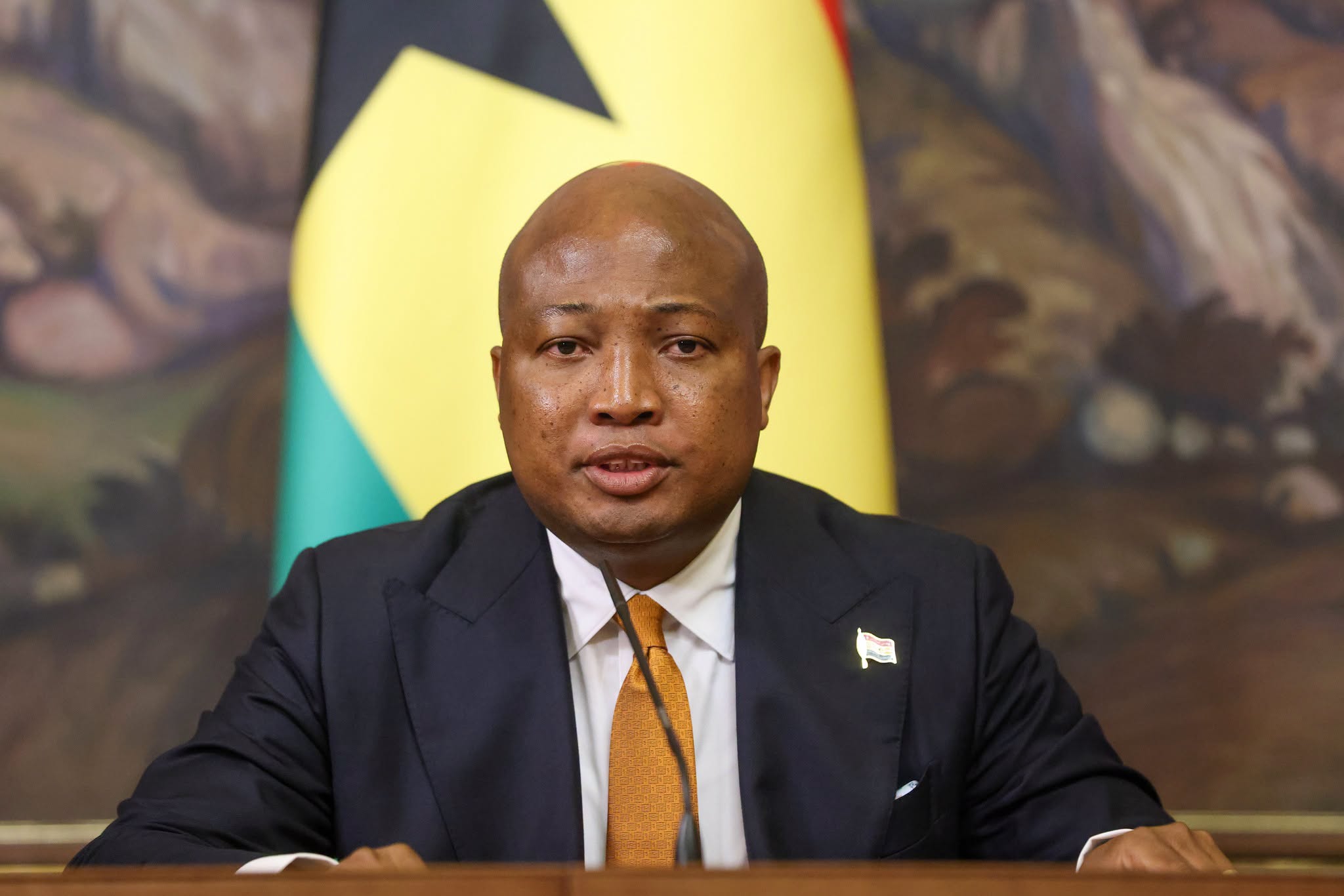
Ghana Champions Inclusion of Caribbean Nations in AfCFTA Architecture

ACCRA, Ghana — In a move aimed at translating historical transcontinental ties into formal commercial structures, Ghana has formally proposed extending the trade and investment framework of the African Continental Free Trade Area (AfCFTA) to include the Caribbean Community (CARICOM).

David S. Johnson•23h ago

Morocco Halts African Tomato Shipments as Domestic Inflation Mounts
Business

Morocco Halts African Tomato Shipments as Domestic Inflation Mounts

RABAT, Morocco — The Moroccan government has temporarily suspended export permits for fresh tomatoes bound for sub-Saharan African markets, prioritizing domestic supply stabilization as retail prices approach record highs of 12 to 15 dirhams ($1.20–$1.50) per kilogram in local markets.

David S. Johnson•23h ago

OECD Warns Africa’s Shallow Corporate Debt Markets Constrain Private Sector Expansion
Business

OECD Warns Africa’s Shallow Corporate Debt Markets Constrain Private Sector Expansion

PARIS, France — Africa’s corporate debt markets remain structurally undersized and ill-equipped to supply the long-term capital required for continental economic growth, according to the OECD’s Africa Capital Markets Report 2026 released on Friday. Outstanding market-based corporate debt across all 54 African economies reached just $211 billion at the end of 2025—representing a mere 0.3 percent of global corporate debt despite the continent accounting for nearly 2.7 percent of global GDP.

David S. Johnson•23h ago

Enjoying our journalism?

Get the biggest African stories in your inbox every morning.

By subscribing you agree to our privacy policy. Unsubscribe anytime.