Seville Conference Opens: Africa Pushes for Debt Relief, Financial System Reform
By: TPA News Desk | editor@thepointafricanews.com The 4th International Conference on Financing for Development (FfD4) officially commenced today in Seville, Spain, gathering global leaders to confront the urgent need for substantial investment to achieve the United Nations Sustainable Development Goals (SDGs) by 2030. This high-level summit, scheduled to run through July 3, aims to craft […]
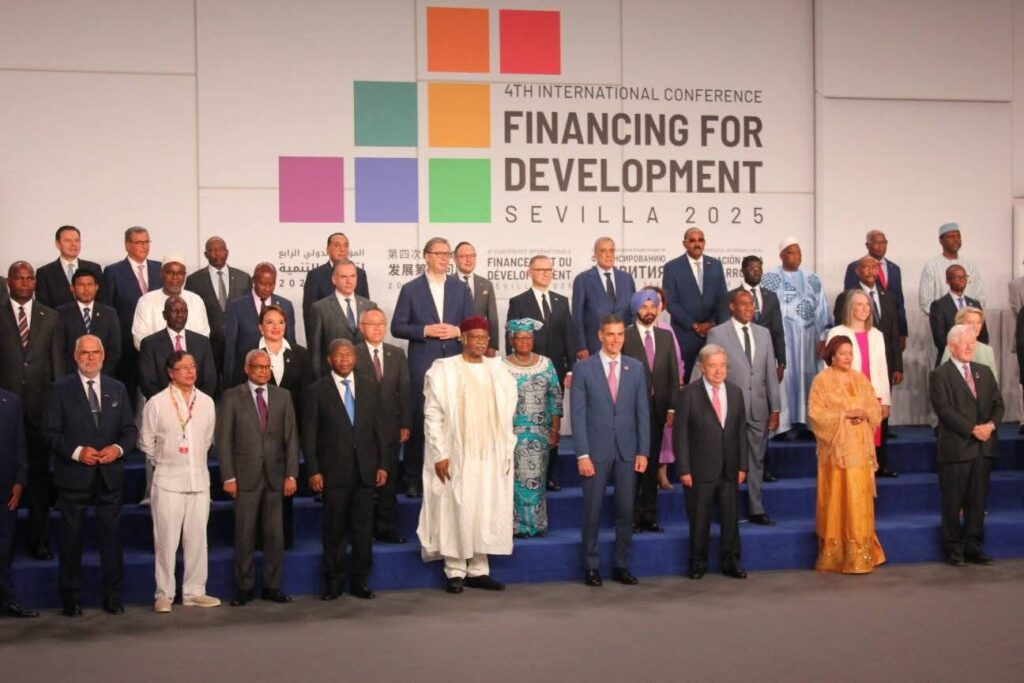
The 4th International Conference on Financing for Development (FfD4) officially commenced today in Seville, Spain, gathering global leaders to confront the urgent need for substantial investment to achieve the United Nations Sustainable Development Goals (SDGs) by 2030. This high-level summit, scheduled to run through July 3, aims to craft a renewed global financial framework and bridge an estimated $4 trillion annual financing gap critical for sustainable development worldwide.
The conference opened with the adoption of the Sevilla Commitment (Compromiso de Sevilla), an outcome document negotiated by member states. This commitment lays a foundation for accelerating investment towards the SDGs, addressing the global debt crises that burden many nations, and reforming the international financial architecture to promote a more equitable and transparent system focused on human needs. United Nations Secretary-General António Guterres, in his opening remarks, underscored the imperative to “repair and rev up the engine of development to accelerate investment at the scale and speed required,” describing the Commitment as a “global promise to fix how the world supports countries as they climb the development ladder.” Discussions over the coming days are slated to delve into crucial themes including debt relief, international tax cooperation, mobilizing private finance, and strengthening multilateral development banks. The conference also features an International Business Forum running concurrently, aiming to foster private finance for sustainable development. Despite the United States’ decision to withdraw from the final outcome document negotiations and its non-participation in the conference, the Sevilla Commitment was adopted by consensus among the remaining nations, indicating broad international agreement on the financing for development agenda.
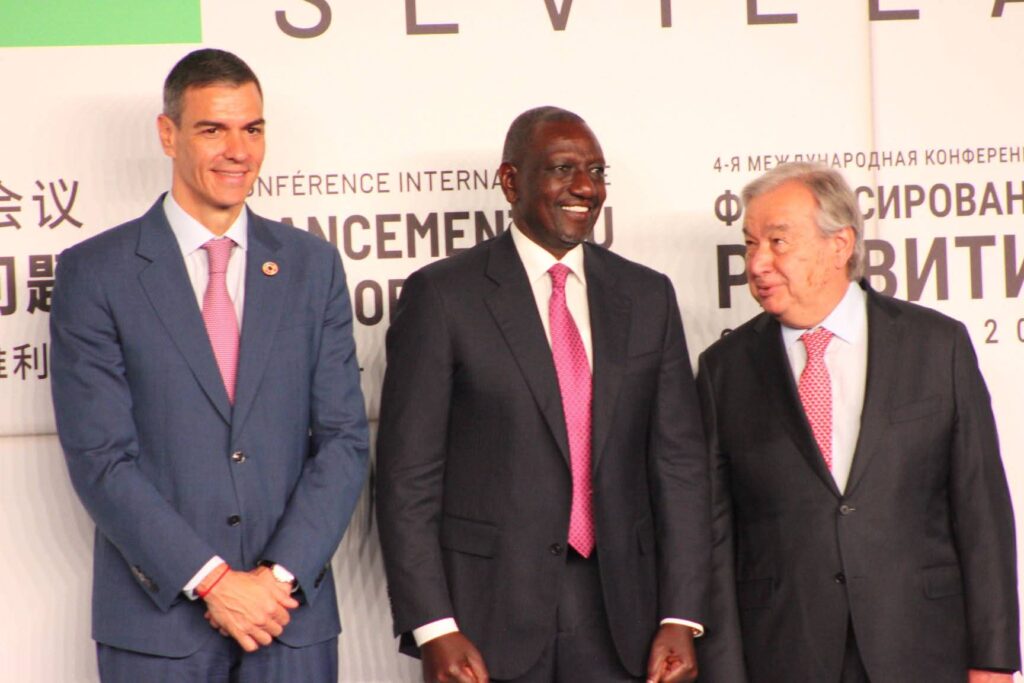
African Heads of State and high-level representatives are making a strong appearance at FfD4, emphasizing the continent’s critical requirements for robust development finance and its proactive stance in advocating for systemic reforms to the global financial system. Their presence underscores Africa’s unique challenges and significant potential within the broader development landscape. Among the confirmed African attendees are Prime Minister Sarra Zaafrani Zenzri of Tunisia, Vice-President Dr. Philip Mpango of Tanzania, President William Ruto of Kenya, Head of Government Aziz Akhannouch of Morocco, and Deputy Minister of Water and Sanitation David Mahlobo leading South Africa’s delegation.
African leaders are collectively championing a comprehensive agenda for change at the conference. They are pressing for significant reforms to the international financial architecture, advocating for a more equitable and representative system that includes a stronger voice for developing countries in institutions such as the International Monetary Fund and the World Bank. A key priority for African nations is addressing the escalating debt crisis, which sees many countries spending more on debt servicing than on vital public services. African voices are calling for substantial revisions to existing debt frameworks and greater access to concessional finance. Furthermore, combating illicit financial flows, which drain billions from the continent annually, is a central demand, with a push for stronger international tax cooperation and the establishment of a UN Framework Convention on International Tax Cooperation. The continent’s leaders are also stressing the urgent need for fair and equitable access to climate finance, given Africa’s disproportionate vulnerability to climate change impacts despite its minimal contribution to global emissions. Discussions also aim to explore innovative financing mechanisms, strengthen African capital markets, and advance domestic resource mobilization. The collective efforts of African nations at FfD4 are geared towards securing an international financial framework that can truly unlock significant capital for critical investments in infrastructure, health, education, and climate resilience, aiming to accelerate the continent’s progress towards its Agenda 2063 goals and foster self-reliance and inclusive prosperity.