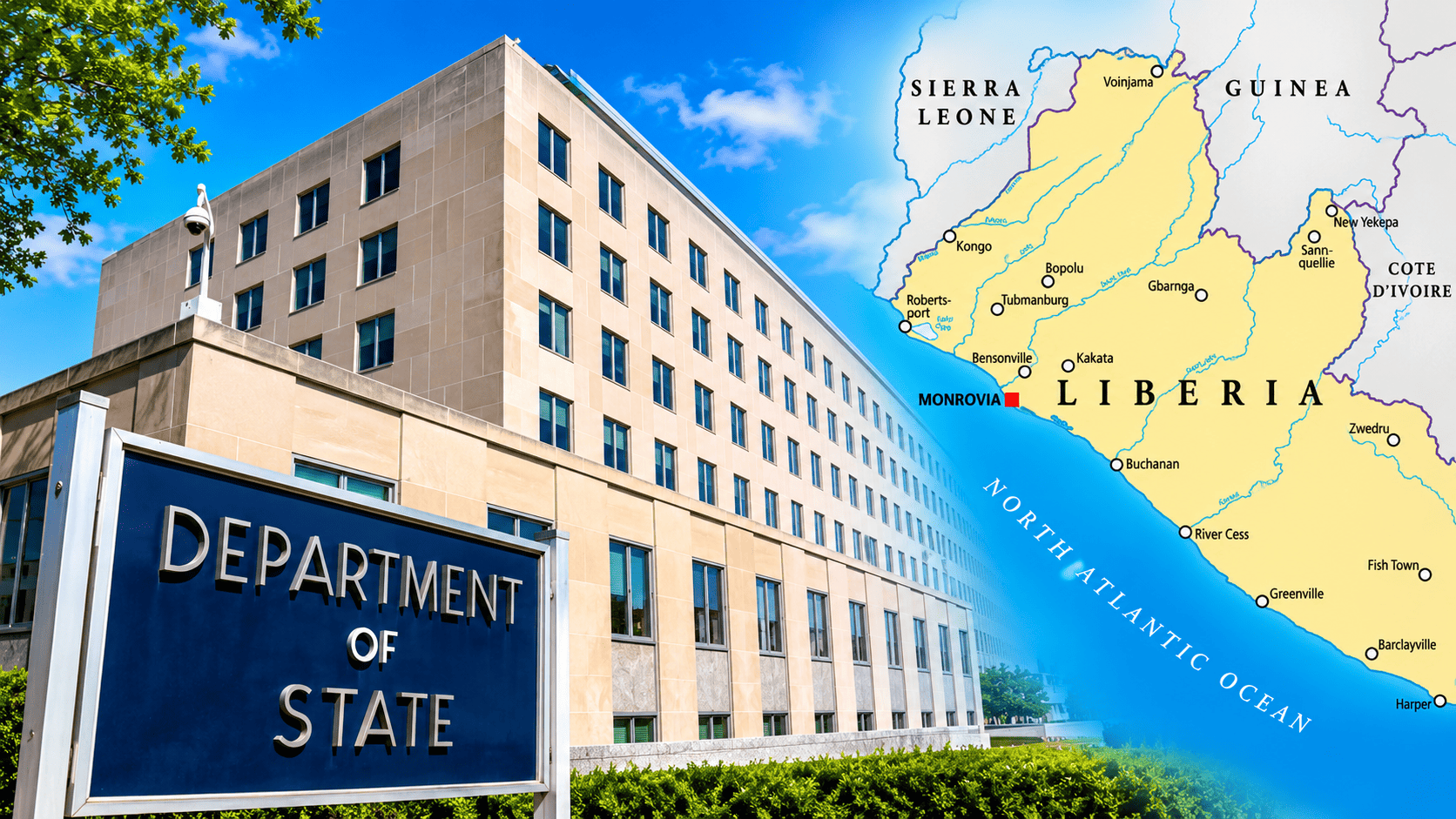
The assessment acknowledges positive economic indicators, including 5.1 percent economic growth in 2025, driven by agriculture, services and extractive industries. Export volumes also increased, while inflation eased. Yet it warns that corruption, weak legal protections, judicial delays and infrastructure deficiencies continue to undermine investor confidence.
Its assessment of corruption is particularly severe. The report describes it as a primary obstacle to Liberia’s democratic consolidation and economic growth. It cites reports of unauthorized fees charged to foreign companies, alleged extortion by officials and political connections influencing decisions that should be governed by transparent rules.
One of its most troubling observations is that businesses may find it easier to operate illegally when the right political interests are paid, while companies attempting to follow established procedures can face obstacles or demands for unofficial payments.
This is not a minor administrative problem. If businesses believe that compliance with the law offers no protection from arbitrary demands, the credibility of the entire investment system is weakened. It also raises questions about whether smaller Liberian businesses, without the financial resources or political connections of major investors, can compete fairly.
The judiciary presents another serious concern. The report says commercial disputes can take between two and five years to resolve, judgments against government entities are difficult to enforce, and there are widespread reports of court officials soliciting bribes. These are serious allegations that demand institutional attention, not merely reassurance.
Land administration adds another layer of uncertainty. With less than 25 percent of the country's land formally registered, competing ownership claims and disputes involving communities can expose investors and local residents to costly conflicts. Development agreements cannot be considered secure if the rights of affected communities are not properly established and respected.
The report also identifies expensive commercial credit, limited access to financing and shortages of specialized skills as barriers to business expansion. These weaknesses affect local entrepreneurs as well as foreign investors.
Liberia nevertheless has genuine opportunities in mining, agriculture, forestry, energy, infrastructure, healthcare and logistics. Its investment laws and participation in international arbitration arrangements provide important foundations. But legal provisions alone cannot create confidence when implementation is inconsistent.
For the Boakai administration, the report presents a test of its governance commitments. Asset declarations, investigations into questionable contracts and proposed institutional reforms may be important steps, but their value will ultimately depend on measurable results.
The government must demonstrate that public contracts are awarded transparently, officials cannot demand payments outside the law, courts can deliver impartial and enforceable judgments, and communities are protected when land is allocated for commercial projects.
There is also a domestic dimension that should not be overlooked. Liberia cannot build a sustainable investment climate by focusing exclusively on the concerns of foreign companies. Local businesses need predictable regulations, affordable financing, reliable infrastructure and equal access to public institutions.
The central issue is therefore bigger than whether American or other foreign companies are willing to invest. It is whether Liberia can build institutions that make investment fair, predictable and beneficial to the wider population. Investment opportunities may attract attention, but institutional credibility is what sustains investment.
Beyond the Headlines, this is the Bigger Picture.
Source: https://www.state.gov/reports/2026-investment-climate-statements/liberia