
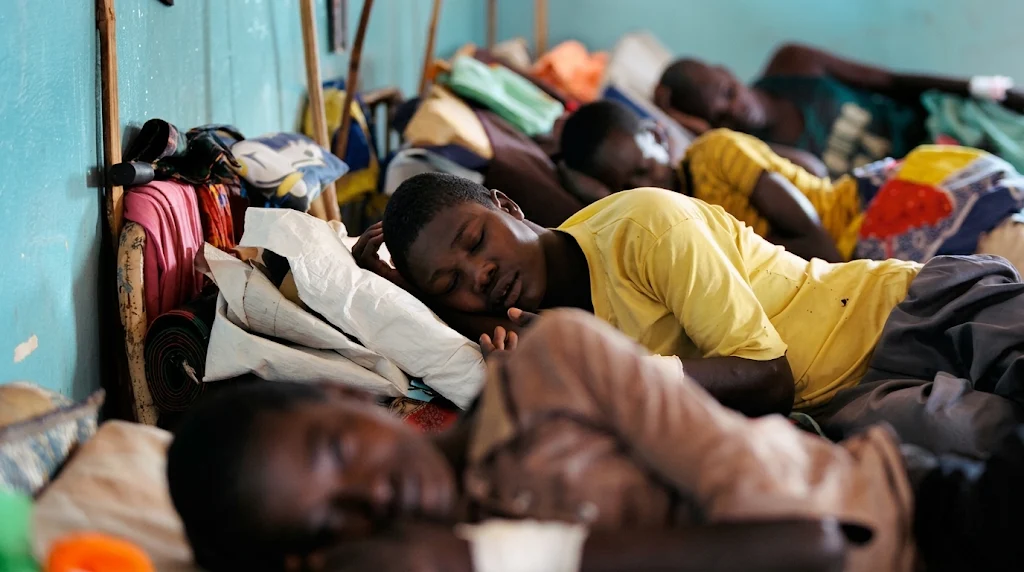
In June 2026, the Democratic Republic of Congo (DRC) approved acoziborole, a new oral medicine for gambiense sleeping sickness, the most common form of the disease. Developed by the Drugs for Neglected Diseases initiative (DNDi) and Sanofi, the treatment is approved for adults and adolescents aged 12 and above who weigh at least 40 kilograms. It will be provided free to patients.
Sleeping sickness is transmitted by infected tsetse flies, mainly in rural parts of sub-Saharan Africa. The parasite initially affects the blood and lymphatic system. Without treatment, it can invade the brain, causing confusion, behavioural changes, sleep disturbances, seizures and eventually death.
The disease is particularly difficult to manage when patients are diagnosed late. Some older treatments required injections, hospital stays and close medical supervision. Acoziborole offers a much simpler option: a single oral dose that can treat both early and advanced stages of the gambiense form.
Clinical trials involving 208 patients in the DRC and Guinea found treatment success after 18 months in approximately 95 percent of patients with advanced disease and all 41 patients with early or intermediate disease. These results are promising, although they do not mean the medicine is suitable for every form of sleeping sickness or every patient.
A forgotten disease is not an eliminated disease: Sleeping sickness cases have fallen dramatically over the past two decades, but infections persist, particularly in communities where healthcare services and screening are difficult to access.
The new medicine could make treatment easier to deliver in remote areas. However, early diagnosis, continued screening and reliable access will remain essential to preventing new infections.
For Africa, this is more than a pharmaceutical breakthrough. It demonstrates what sustained investment in research focused on neglected diseases can achieve. The next challenge is ensuring that the communities most affected can benefit from it.