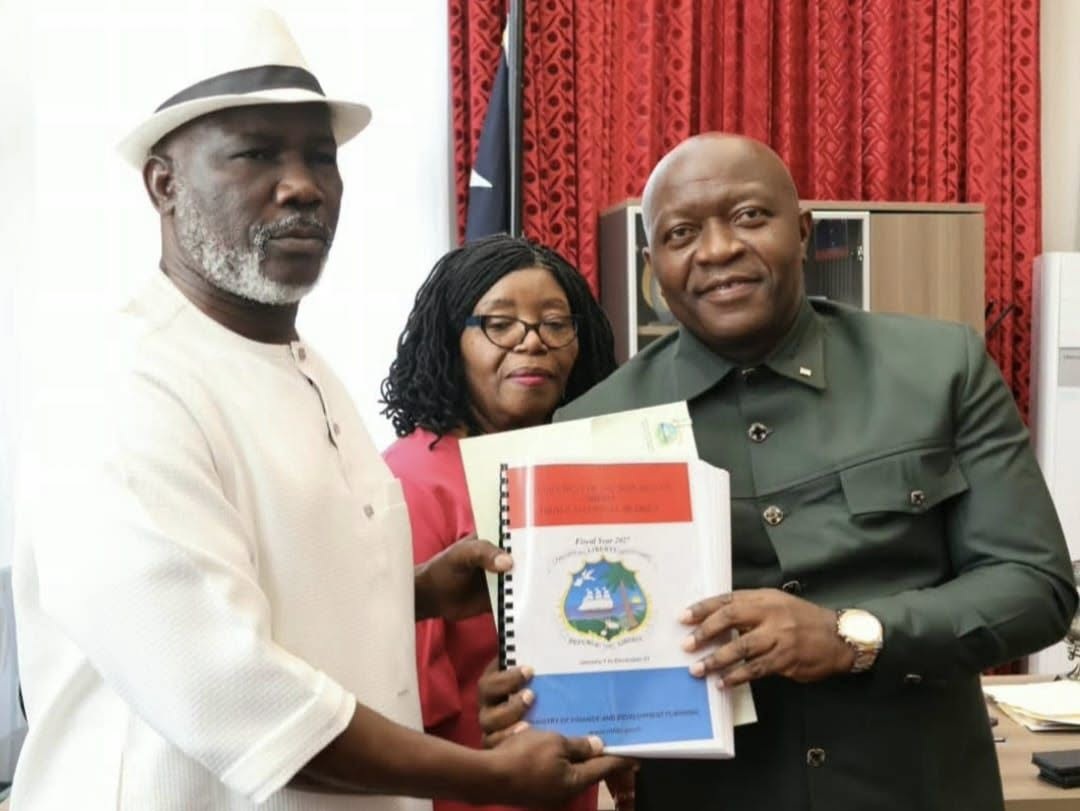
Framed under the theme "A Growing Budget for Bigger Impact: Accelerating the Implementation of the ARREST Agenda for Inclusive Development," the administration claims that crossing the US$1 billion domestic revenue threshold by September 2026—for the first time in national history—provides the necessary fiscal runway to scale up public sector investments.
The draft proposal outlines notable sector increases, including US$135.8 million for health (a 22 percent increase from FY2026) and US$163.5 million for education (up 13.9 percent). The executive branch has also structured a multi-year public sector wage reform plan intended to benefit over 17,000 public servants—standardizing minimum monthly salaries for qualified teachers from US$200 to US$650 depending on credentials, setting new baseline pay for city mayors, police officers, and drug enforcement personnel, and adding 4,350 new hires to the central government payroll starting January 2027.
However, while the executive branch highlights these headline figures as evidence of people-centered development, financial analysts and legislative observers question whether the budget's underlying assumptions adequately account for Liberia's structural execution bottlenecks, recurring payroll inflation, and mounting debt obligations.A primary point of critical scrutiny centers on the administration's handling of public sector pension solvency. Although President Boakai formally acknowledged an accumulated debt of nearly US$60 million owed to the National Social Security and Welfare Corporation (NASSCORP) from years of unremitted employer contributions, the draft budget relies on an unspecified multi-year amortization schedule rather than dedicating immediate upfront capital to clear the backlog.
By pushing the settlement into future fiscal cycles, the proposal leaves NASSCORP's liquidity and long-term pension disbursements exposed to ongoing macroeconomic risks.Furthermore, despite the administration highlighting targeted infrastructure spending—such as US$7 million for ongoing renovations at the University of Liberia, US$5.3 million for the John F. Kennedy Medical Center, and funds for regional health facilities like C.H. Rennie Hospital—the overwhelming majority of the proposed US$250 million year-on-year expansion is absorbed by operational overhead, administrative consumption, and expanded wage commitments rather than transformative capital development.
Key discretionary line items within the executive's proposal have also raised eyebrows among economic policy analysts. Earmarking US$2 million for commercial motorcyclist rest stops alongside US$3.65 million dedicated to national football teams and sports veterans reflects visible, politically sensitive allocations that critics argue prioritize short-term populist appeasement over systemic structural investments in rural agricultural processing, grid expansion, and municipal sanitation infrastructure.The submission sets up an immediate political and analytical showdown within the 55th Legislature.
Coming amid heightened public demand for government accountability and fiscal transparency, lawmakers face compressed timelines to scrutinize revenue projections, verify actual domestic collection metrics, and audit executive spending plans before the formal vote. As the House Committee on Ways, Means, and Finance initiates public hearings through Speaker Richard Nagbe Koon’s office, legislative oversight will determine whether the executive's revenue performance can realistically sustain such rapid fiscal expansion without forcing the country into deeper deficit financing.