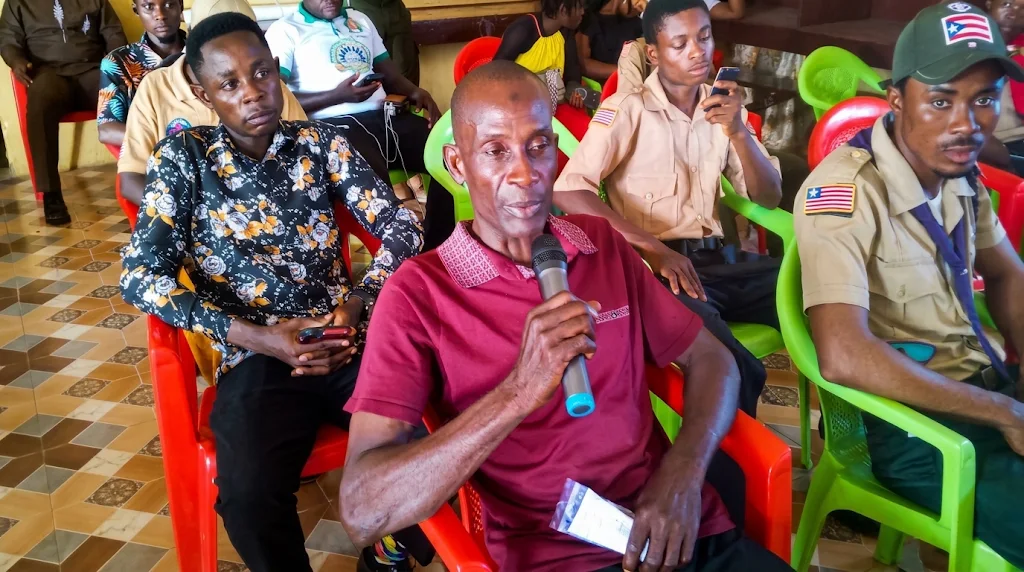
Supported by central funding through the Ministry of Youth and Sports, Chief Commissioner Diameo Nasih urged community members to substitute disposable plastic packaging with reusable shopping bags and adopt localized waste mitigation habits.
While the community engagement reflects growing civic awareness around environmental stewardship, placing the burden of plastic abatement onto consumer behavior in secondary urban centers exposes structural gaps between grassroots campaigns and national environmental regulation.
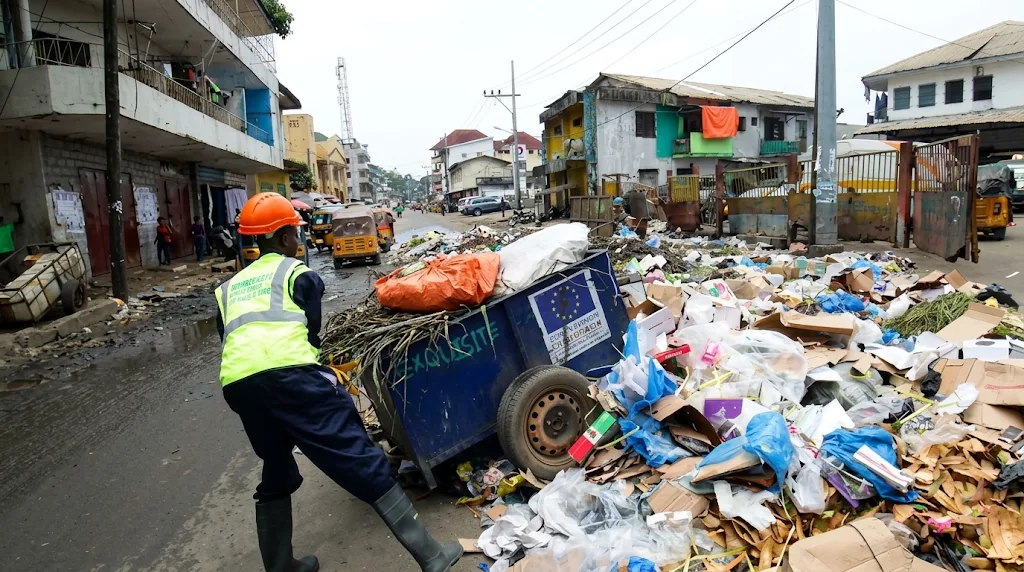
Encouraging residents in Buchanan to adopt reusable totes addresses daily habits, but consumer choice remains severely constrained by commercial reality. Sachet water, single-use polythene bags, and non-biodegradable food containers remain the primary, low-cost packaging vectors across Liberia’s informal retail markets. Without legislative bans, import tariffs on raw polymers, or statutory restrictions on single-use plastics at the port level, civic education campaigns ask low-income households to opt out of the cheapest available distribution systems without affordable alternatives.
The campaign’s focus on Buchanan is geographically critical. As a major Atlantic port city, Grand Bassa County faces severe marine ecosystem degradation from uncollected plastic waste. Drainage clogging, microplastic accumulation in coastal fisheries, and informal burning of synthetic polymers pose direct public health and economic risks to local fishing communities. However, localized cleanup and education drives cannot substitute for municipal waste collection fleets or coastal containment infrastructure.
The Ministry of Youth and Sports’ financial backing of the Scout Association’s initiative underscores executive preference for soft-power, youth-led civic initiatives over hard-line regulatory enforcement. While short-term grants for youth groups generate positive community participation, the Environmental Protection Agency (EPA) and the 55th Legislature have yet to codify binding extended producer responsibility (EPR) laws that compel beverage manufacturers and importers to finance waste collection.
Until state funding for youth awareness is matched by national bans on ultra-thin plastics, mandatory recycling mandates for commercial distributors, and investments in municipal processing centers, civic outreach in hubs like Buchanan will operate as a symbolic defense against a systemic pollution crisis.