Live

From Superpower to Spectator? U.S. Soft Power Erodes With End of USAID

After more than 60 years as the principal arm of American foreign aid, the United States Agency for International Development (USAID) has officially ceased operations. On July 1, U.S. Secretary of State Marco Rubio confirmed that the agency’s remaining programs and personnel have been folded into a restructured foreign assistance framework under the State Department. […]

Author

Staff Writer • 5 min read

Thursday, 3 July 2025 3 Jul 2025
Share𝕏f
From Superpower to Spectator? U.S. Soft Power Erodes With End of USAID

After more than 60 years as the principal arm of American foreign aid, the United States Agency for International Development (USAID) has officially ceased operations. On July 1, U.S. Secretary of State Marco Rubio confirmed that the agency’s remaining programs and personnel have been folded into a restructured foreign assistance framework under the State Department. The move fulfills a key objective of President Donald Trump’s second-term agenda aimed at streamlining government and reducing U.S. foreign aid expenditures.

The decision follows a sweeping 83% reduction in USAID’s active programs earlier this year—cutting support to more than 5,200 of the roughly 6,200 projects worldwide. The slashed initiatives included long-standing efforts in global health, food security, disaster response, and democracy promotion. Major programs affected include PEPFAR (the U.S. President’s Emergency Plan for AIDS Relief), malaria prevention, and maternal-child health services. Health experts have warned that these cuts could result in up to 14 million excess deaths by 2030 if not reversed.

The shuttering of USAID has triggered a wave of condemnation from former U.S. presidents and global aid advocates. On June 30, Barack Obama, George W. Bush, and humanitarian campaigner Bono issued a joint statement calling the move a “colossal mistake” that undermines decades of U.S. leadership in global development. Obama highlighted the agency’s role in combating smallpox and bolstering global prosperity, while Bush pointed to PEPFAR’s record of saving more than 25 million lives.

Aid experts say the dissolution has left a humanitarian vacuum in conflict and disaster zones including Sudan, Gaza, and the Philippines—regions where USAID had been a critical responder. Ongoing medical research, disease-prevention campaigns, and food assistance programs have been either suspended or terminated, raising alarms across the international humanitarian community.

Analysts and lawmakers warn that the absence of USAID could significantly weaken U.S. soft power, especially as global rivals like China expand their influence through state-backed aid programs and infrastructure investment. Critics argue that eliminating the agency cedes strategic ground and diminishes Washington’s ability to shape global norms on development, health, and governance.

However, supporters of the decision—primarily within the Trump administration—defend the move as long overdue. They argue that the aid agency was plagued by inefficiencies and ideological agendas. These claims have been bolstered by a controversial report from Elon Musk’s newly established “Department of Government Efficiency,” which alleges $22 billion in USAID mismanagement—though independent audits have yet to confirm such findings.

Advertisement

Reach 2M+ pan-African readers

Advertise with us →

Despite ongoing legal challenges in Congress, the agency’s dissolution is now complete. The Trump administration’s revised foreign aid model, branded under a new “America First” strategy, aims to redirect limited U.S. assistance toward trade and security partnerships aligned with American interests. The State Department will now oversee all future foreign aid programs, with a stated emphasis on recipient countries demonstrating “self-reliance and strategic alignment.”

While Washington redefines its development posture, the global aid community is left grappling with urgent questions: how to fill the vacuum left by USAID, how to safeguard lives dependent on interrupted aid, and whether America’s legacy as a humanitarian leader has come to a definitive close.

By: TPA Staff Reporter | editor@thepointafricanews.com

Author

Written by

Staff writer at The Point Africa News.

Related Stories

Zimbabwe and Russia Advance Strategic Healthcare and Localized Production Partnership
Politics

Zimbabwe and Russia Advance Strategic Healthcare and Localized Production Partnership

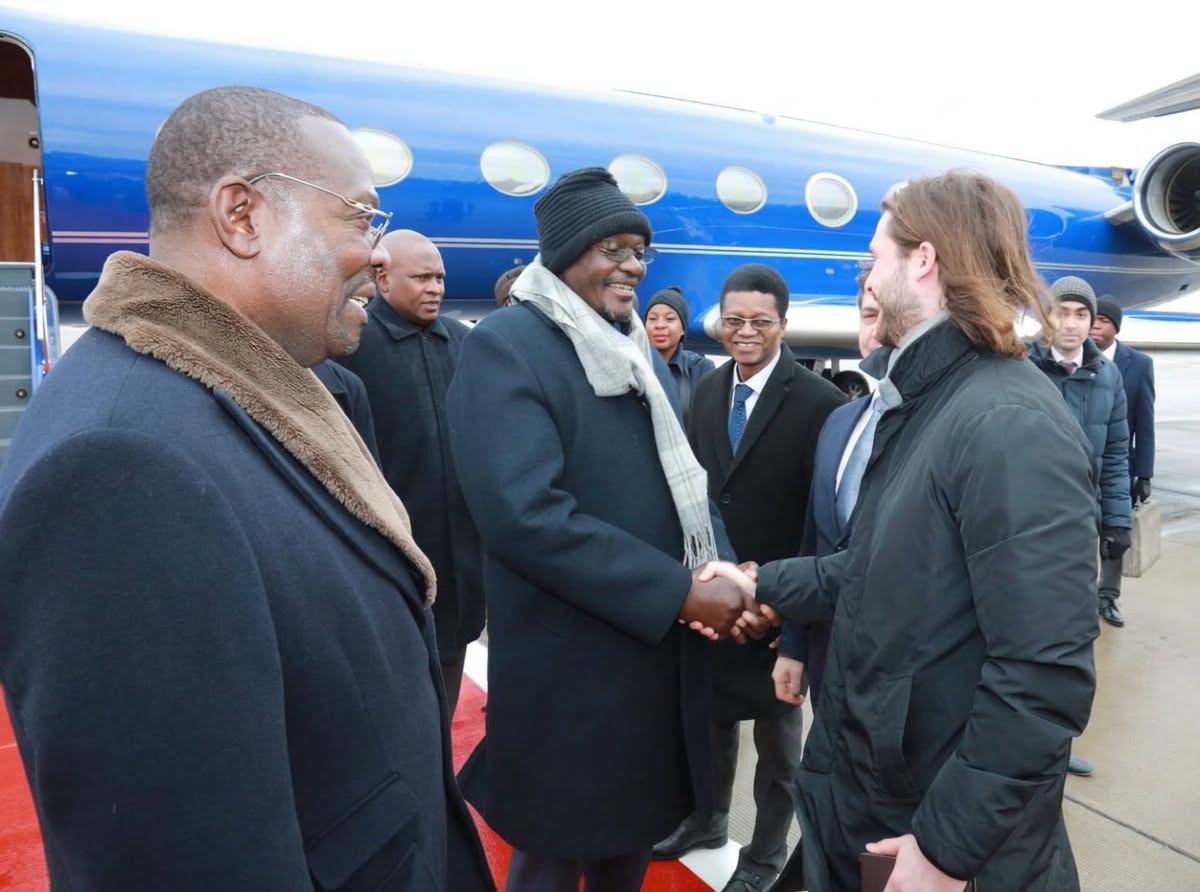
MOSCOW, Russia — Zimbabwean Vice President Kembo Mohadi, alongside Deputy Minister of Health and Child Care Sleiman Kwidini, has arrived in Moscow to transition bilateral health commitments with the Russian Federation from high-level diplomatic frameworks into concrete operational and manufacturing projects.

David S. Johnson•21h ago

LNP Issues Public Safety Announcement Banning Street Vending Along Tubman Boulevard Construction Corridor
Politics

LNP Issues Public Safety Announcement Banning Street Vending Along Tubman Boulevard Construction Corridor

MONROVIA — The Liberia National Police (LNP) has issued a Public Safety Announcement informing all marketers, street vendors, petty traders, and members of the public that the sale of goods and all other commercial activities are strictly prohibited within the ongoing overhead bridge construction corridor along Tubman Boulevard.

David S. Johnson•22h ago

Power to the Periphery: Self-Financed Grid Expansion Tests LEC Capacity and Local Governance in Western Liberia
Politics

Power to the Periphery: Self-Financed Grid Expansion Tests LEC Capacity and Local Governance in Western Liberia

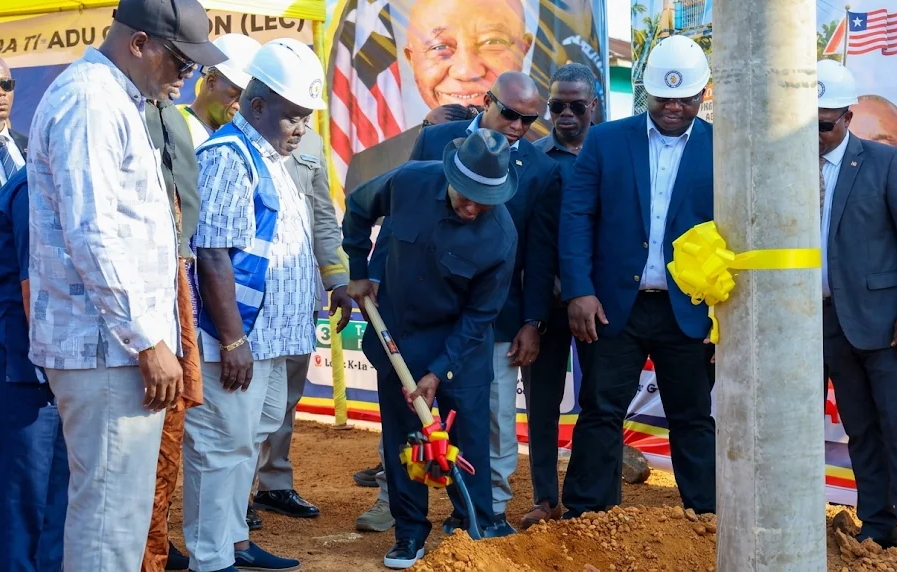
CLAY, BOMI COUNTY — President Joseph Nyuma Boakai officially broke ground on Friday, November 6, 2026, for a major regional electrification initiative targeting Bomi, Gbarpolu, and Grand Cape Mount counties.

David S. Johnson•22h ago

Scout Association’s Anti-Plastic Drive Targets Buchanan
Politics

Scout Association’s Anti-Plastic Drive Targets Buchanan

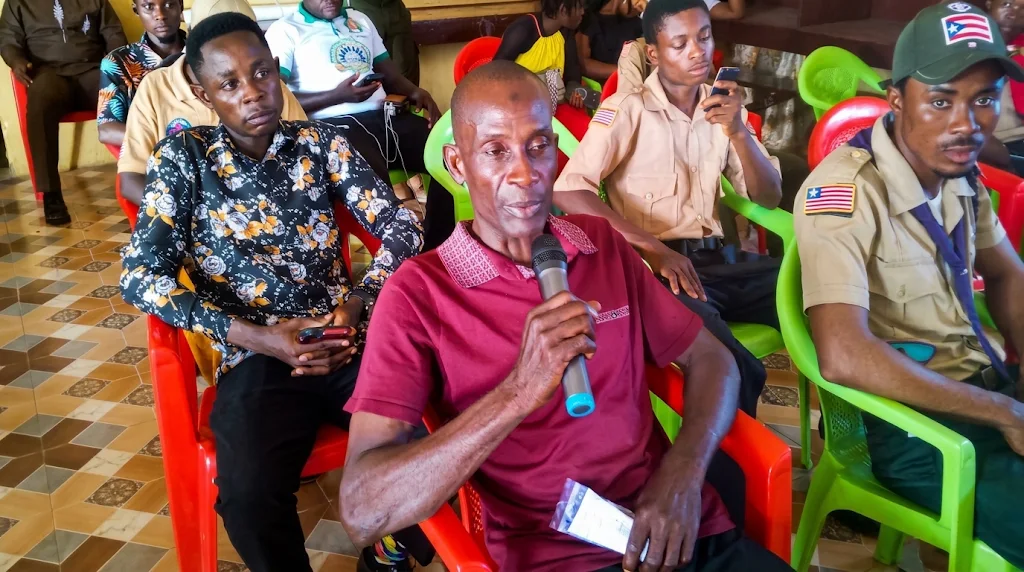
BUCHANAN, Liberia — The Liberia Scout Association has extended its Environmental Stewardship Project to Buchanan, Grand Bassa County, convening local residents at the Bassa Youth Caucus to advocate for reductions in single-use plastics under the banner "Reduce Single-Use Plastics for a Longer, Healthier and Cleaner Environment."

David S. Johnson•23h ago

Enjoying our journalism?

Get the biggest African stories in your inbox every morning.

By subscribing you agree to our privacy policy. Unsubscribe anytime.