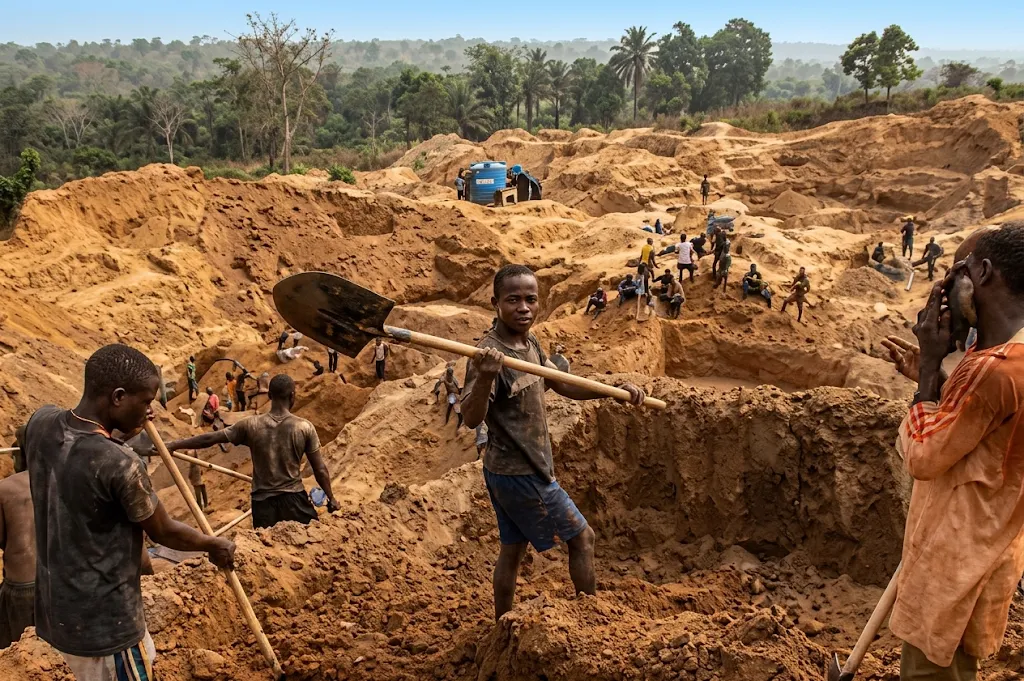
The proceedings opened on Wednesday, November 11, 2026, in Conakry and other courts in Lower Guinea, following the arrest of hundreds of suspected illegal miners after authorities banned unregulated gold mining activities in Siguiri. The defendants are accused of illegal mining operations, environmental degradation, destruction of property and pollution of waterways.
According to reports by Africanews and Radio France Internationale (RFI), the accused include Guinean nationals as well as citizens of Burkina Faso, Mali, Togo, Niger, Côte d’Ivoire and Ghana. The arrests followed the enforcement of a ban on clandestine mining activities that took effect on November 2. Guinean authorities have argued that unregulated mining has contributed to environmental damage, including land degradation and contamination of water sources.
Among the proceedings taking place in Conakry is a case before the Court for the Repression of Economic and Financial Offences (CRIEF), where 202 defendants appeared in connection with the crackdown. Local media reported that the accused were brought before the court in groups as officials verified their identities and considered the allegations against them.
The defence has challenged aspects of the prosecution, including the responsibility attributed to the accused and the court's jurisdiction over certain defendants. Lawyer Abou Camara, representing some of the miners, argued that the people facing prosecution should not be treated as the principal beneficiaries of illegal mining operations.
He maintained that those who allegedly profited from the activities should also be investigated. Another lawyer, Sidiki Berete, representing officials implicated in related proceedings, disputed the allegations of corruption and argued that criminal responsibility must be established individually rather than collectively.
The broader investigation also involves local administrative officials accused of facilitating or promoting illegal mining activities. The crackdown has extended beyond Guinea's borders, particularly affecting nationals of neighbouring West African countries who had travelled to the mining areas in search of employment.
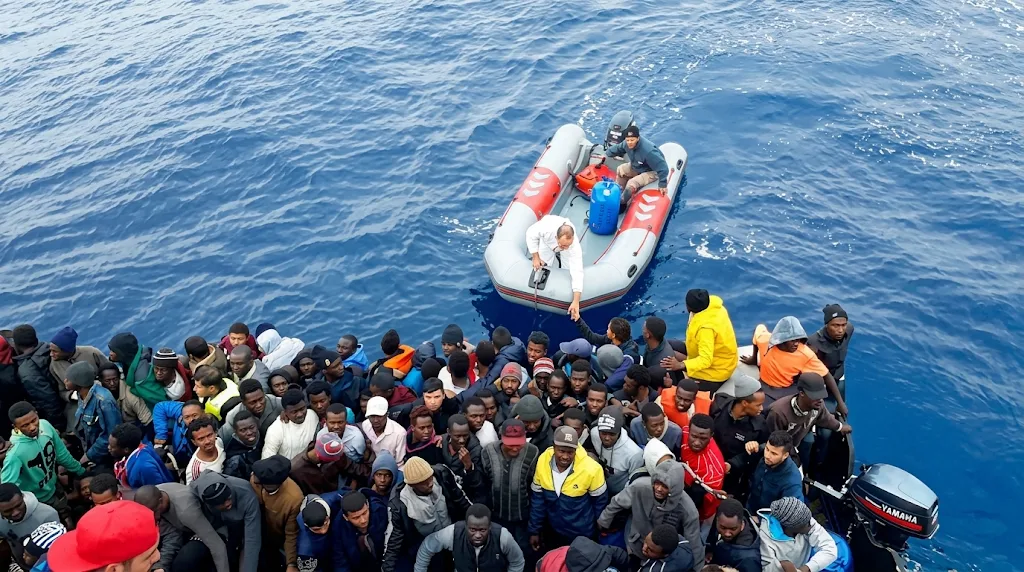
Mali's authorities said they had received approximately 160,000 people expelled from Guinea since the beginning of the operations, describing the situation as a humanitarian emergency. Burkina Faso has also raised concerns over the treatment of its citizens during the expulsions.
The developments have placed additional pressure on relations among countries in the region, particularly as the arrests and deportations involve people from several members of the West African community. Guinea's authorities have maintained that the enforcement campaign is intended to restore order in the mining sector, protect natural resources and address the environmental consequences of uncontrolled extraction.
The proceedings now present a significant test for the country's judicial system, given the large number of defendants, the involvement of foreign nationals and the need to establish individual responsibility in each case.
As the trials continue, questions remain over the accountability of those who allegedly organized or benefited from illegal mining, the protection of the rights of the accused and the humanitarian consequences of the government's enforcement measures.