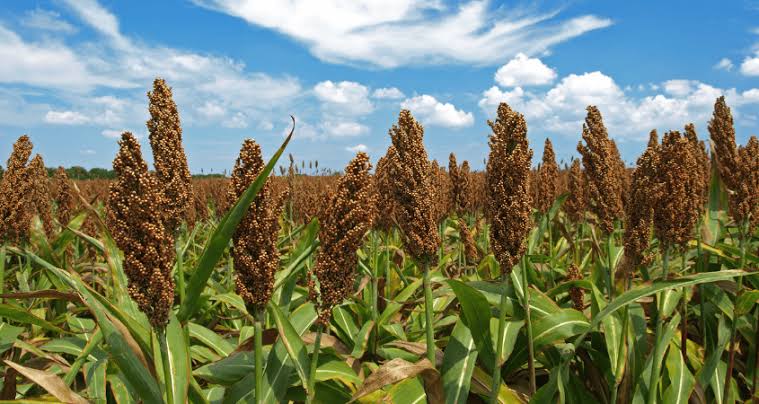
Sorghum, millet, cowpea and other indigenous crops have sustained African communities for generations. Yet, as commercial agriculture increasingly favoured a narrower range of crops, many traditional varieties received less attention, investment and research. Today, scientists are revisiting their potential as climate change makes farming increasingly unpredictable.
A 2024 compendium developed by the Food and Agriculture Organization (FAO) and the Forum for Agricultural Research in Africa documented 100 forgotten African food crops, including Bambara groundnut, African yam bean, baobab and African leafy vegetables. These crops offer opportunities for food production, nutrition, biodiversity and rural livelihoods.
Can traditional crops really make a difference? Research published in 2025, examining more than 25,000 Tanzanian households, found that cultivating traditional crops, particularly sorghum, helped households maintain dietary diversity and reduce food rationing during extreme weather conditions. Crop diversification and integrating trees and livestock into farming systems also showed benefits.
More recently, Ghanaian agricultural researchers identified cowpea varieties with promising performance under repeated drought conditions. One experimental variety maintained grain production and recorded a 10.4 percent yield increase under the study's drought treatment compared with its well-watered performance. This is encouraging research, although the variety still requires further breeding and field evaluation before wider recommendations can be made.
The challenge is bringing these crops back into the farming system. Farmers need reliable seeds, practical knowledge, access to markets and support from agricultural research institutions. A crop may tolerate difficult weather, but it will not attract widespread cultivation if farmers cannot sell it profitably or obtain quality planting materials.
For Africa, rediscovering traditional crops is not about abandoning modern agriculture. It is about combining generations of farming knowledge with scientific research to build more diverse, productive and resilient food systems. Sometimes, the next agricultural breakthrough may not require discovering an entirely new crop. It may require taking another look at what previous generations already knew how to grow.