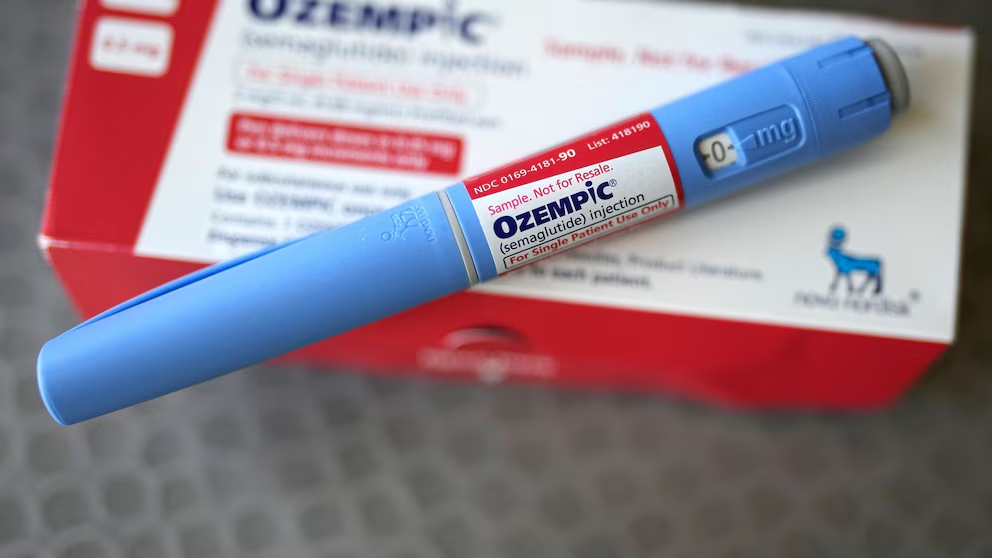
In a safety communication issued on November 9, 2026, the agency announced that manufacturers of GLP-1 receptor agonists must update their product labels to include warnings about non-arteritic anterior ischemic optic neuropathy (NAION), a condition caused by reduced blood flow to the optic nerve that can result in sudden, permanent vision loss.
The medications affected include widely used treatments such as Ozempic, Wegovy, Mounjaro and Zepbound.
The FDA's review included data from 126 clinical trials involving more than 134,000 participants. Researchers identified an estimated 6.4 cases of NAION per 100,000 person-years among patients receiving GLP-1 medications, compared with 3.8 cases among those receiving placebo or other comparison treatments.
Although the condition remains rare, the agency said the available evidence warranted additional safety precautions. Studies have suggested an association between these medications and NAION, although a direct causal relationship has not been conclusively established. The FDA advised patients experiencing sudden, painless vision loss, blurred vision, blind spots or other visual disturbances in one eye to seek immediate medical attention.
Healthcare professionals have also been instructed to evaluate suspected cases promptly and consider discontinuing treatment when NAION is diagnosed, unless the benefits of continuing outweigh the risks. The announcement adds to growing international scrutiny of the safety of popular weight-loss medications as their use expands among people with obesity and diabetes.
The FDA has not advised all patients to stop taking these medications but recommends discussing any concerns with their healthcare providers.
Sources: US Food and Drug Administration (FDA), Reuters and Associated Press.