
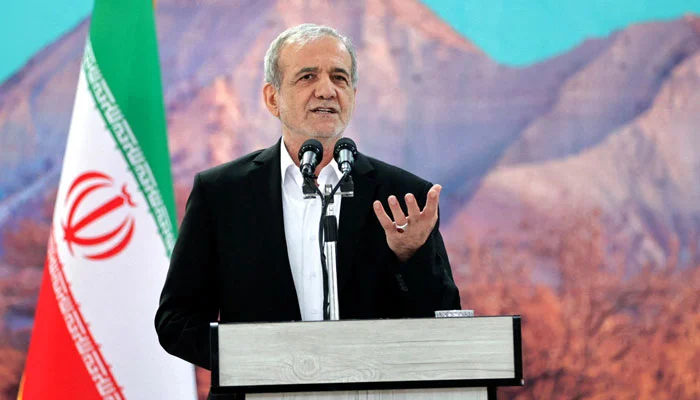
Iranian President Masoud Pezeshkian has signed into law a controversial bill passed by parliament that formally suspends Tehran’s cooperation with the International Atomic Energy Agency (IAEA). The move, which comes amid rising regional tensions and renewed accusations of bias against the IAEA, significantly restricts the agency’s ability to inspect and monitor Iran’s nuclear program.
Under the new law, any future inspections of Iranian nuclear facilities must receive direct approval from the Supreme National Security Council. The legislation also bans IAEA inspectors from entering the country without explicit guarantees and prohibits the installation or operation of surveillance cameras at nuclear sites.
The decision follows a June 25 parliamentary resolution that accused the IAEA of failing to take a clear stance against recent attacks on Iran’s nuclear infrastructure—strikes attributed to the United States and Israel. Lawmakers and government officials argue that the agency’s silence undermines its neutrality and credibility, prompting calls to sever ties with what they describe as an increasingly politicized body.
Despite the formal suspension, IAEA inspectors remain in Iran for now and have not been ordered to leave. Tehran insists that the decision does not amount to a withdrawal from the Nuclear Non-Proliferation Treaty (NPT), but rather a protective measure aimed at defending its sovereignty and nuclear assets from foreign aggression. Iranian officials have indicated they are open to resuming cooperation if the IAEA publicly condemns the attacks and guarantees the security of Iran’s nuclear sites.
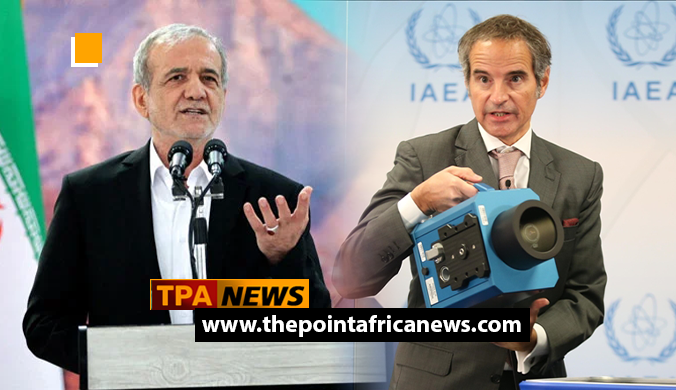
The international response has been swift. Germany called Iran’s move a “devastating signal,” warning it could collapse years of diplomatic progress on nuclear oversight. The United States and EU leaders have also urged Tehran to reverse course, stressing that halting IAEA access threatens global non-proliferation efforts and deepens mistrust around Iran’s nuclear ambitions.