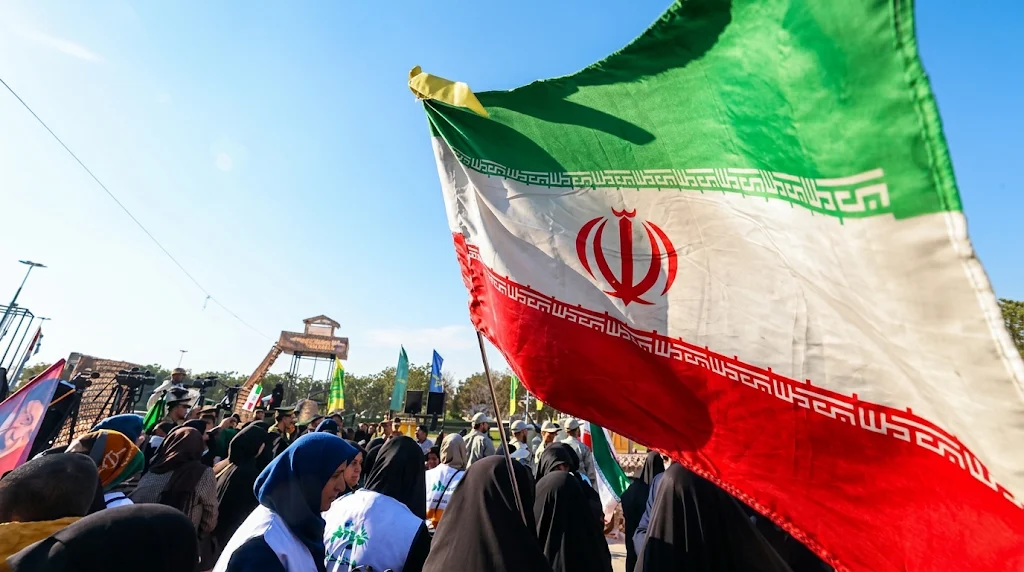
Mohsen Rezaei, Iran's security chief, said Tuesday that reports of ongoing negotiations or a planned meeting in Qatar were false. Speaking to Lebanon's Al Mayadeen television, he accused Washington of promoting claims of diplomatic progress to ease economic pressure and reduce global oil prices.
Rezaei said Tehran was awaiting a clear response to seven conditions it had presented to Washington, adding that the US response so far had been insufficient. Iran has not publicly released the complete list, but its demands include lifting sanctions, ending the US naval blockade of Iranian ports and stopping hostilities across the region, particularly Israeli attacks on Lebanon.
Foreign Minister Abbas Araghchi said Iran's proposal to reopen the waterway within two days of an agreement remained on the table. He maintained that the conflict could not be resolved through military action or additional sanctions, calling for diplomacy to address Tehran's demands.
Washington, however, has indicated that nuclear issues must feature in any initial negotiations. US Secretary of State Marco Rubio said the administration remained open to diplomacy but argued that economic pressure was reducing the need for further major military operations.
Qatar has continued its mediation efforts, with its prime minister holding discussions with US President Donald Trump before joining diplomatic consultations with European and Saudi officials in Paris.
Meanwhile, maritime security remains a concern. Iran's Revolutionary Guard reported that three oil tankers caught fire after striking naval mines in the Strait, while the UK Maritime Trade Operations agency reported separate incidents involving commercial vessels.
The Strait of Hormuz is one of the world's most important energy shipping routes, linking major Gulf oil and gas exporters to international markets. Continued disruption therefore carries consequences beyond the Middle East, threatening energy supplies, shipping costs and global trade.
For now, diplomatic engagement has not produced an agreement on reopening the waterway, leaving international markets and commercial shipping exposed to continued uncertainty.