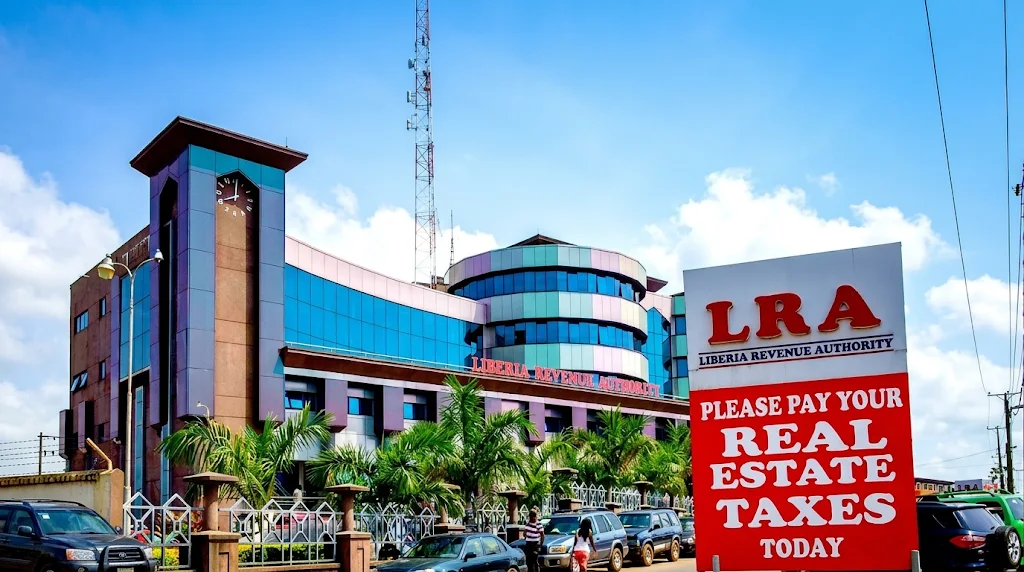
The proposed FY2027 national budget estimates tax collections of approximately US$1.072 billion, compared with US$847.5 million projected for 2026. The increase represents an additional US$224.5 million in expected tax revenue.
The projection comes after a US$200 million payment from ArcelorMittal Liberia helped push the country's domestic revenue collections beyond US$1 billion for the first time in 2026. That exceptional payment is not expected to recur at the same level next year.
Mining royalties and rents are consequently projected to decline from US$287.6 million in 2026 to US$119.4 million in 2027, a reduction of US$168.2 million. The government is therefore relying more heavily on recurring tax collections to support its spending plans.
Income and profits taxes are expected to generate an additional US$95.2 million, while international trade taxes are projected to increase by US$96.9 million. Domestic taxes on goods and services are expected to contribute another US$32.3 million.
What does this mean for taxpayers? The government is also planning to transition from the existing Goods and Services Tax (GST) to a Value Added Tax (VAT) system beginning in January 2027. Finance Minister Augustine Kpehe Ngafuan has said rice will remain exempt and petroleum products will remain outside VAT, although other applicable taxes, fees and levies on petroleum will continue.
The projected growth in tax collections does not automatically mean that every Liberian, foreign resident or business will face a higher tax rate. Its actual impact will depend on the tax measures adopted, improvements in compliance and collection, VAT implementation and whether businesses pass additional costs to consumers.
There are also questions about the government's revenue assumptions. Tax collections stood at US$724.6 million by October 31, 2026, meaning another US$122.9 million was required in the final two months to meet the year's US$847.5 million estimate.
As lawmakers examine the proposed US$1.539 billion budget, the central issue will be whether the government can achieve its ambitious revenue targets while protecting households and businesses from disproportionate costs. The proposal represents a shift in how Liberia intends to finance its development priorities. Whether that shift delivers sustainable revenue growth will depend on effective tax administration, economic activity and public confidence in how taxpayers' money is spent.