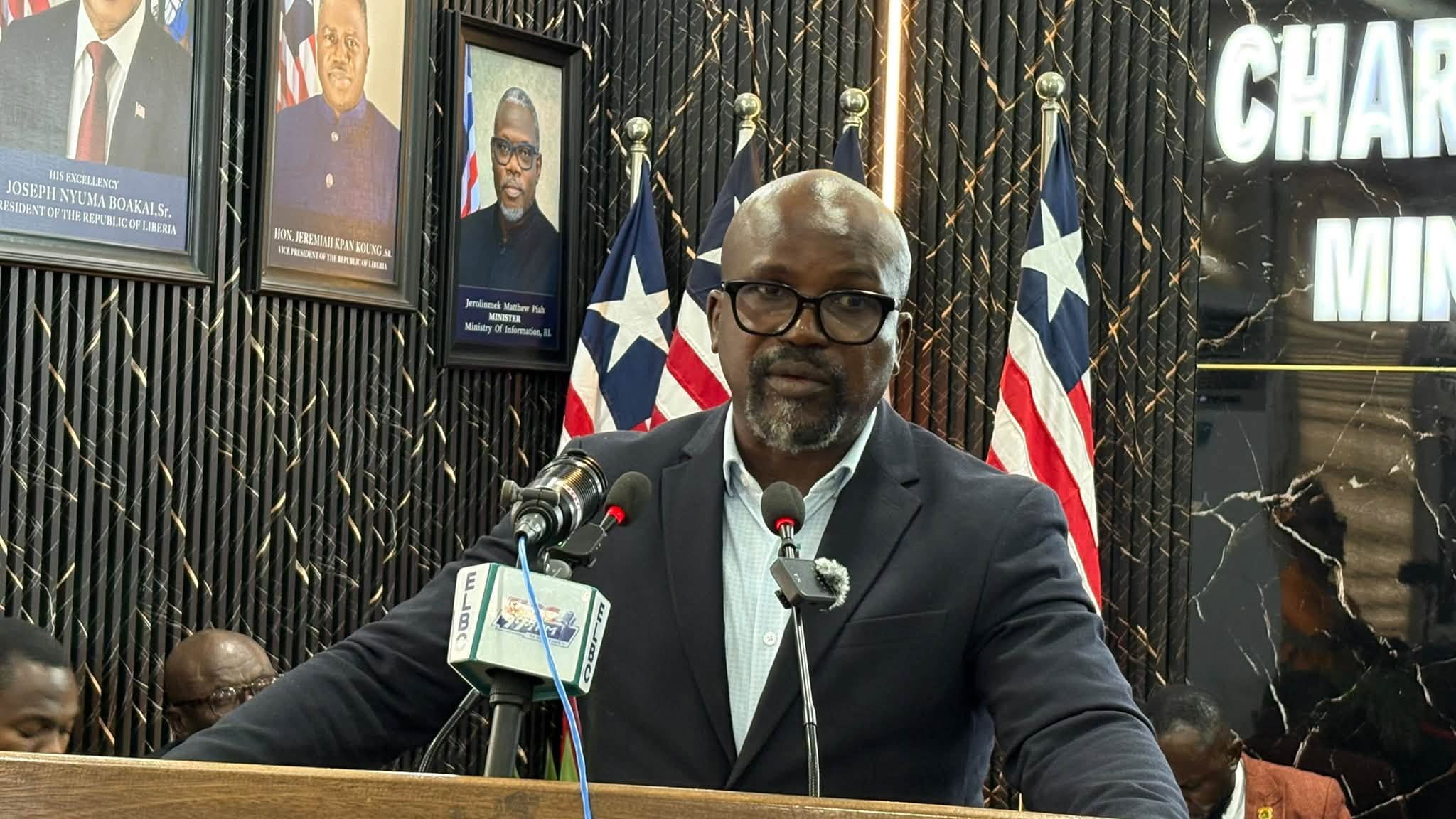
Public Works Minister Roland L. Giddings laid out the administration's aggressive timeline during a Tuesday press briefing in Monrovia, announcing that the Ministry has set a firm target of constructing 700 kilometers of primary roads by 2029. To date, the government has completed 164 kilometers of primary and community routes, with major construction set to accelerate as contractors mobilize across multiple counties.
"Road development and maintenance remain top priorities for President Joseph N. Boakai’s administration," Minister Giddings told reporters, noting that funding is being drawn from both national budgetary allocations and vital partnerships with international donors. The ambitious infrastructure drive stretches far beyond the capital, targeting critical economic and agricultural arteries in Nimba, Bong, Grand Gedeh, River Gee, Lofa, Maryland, Gbarpolu, Bomi, Margibi, and Grand Cape Mount counties. Among the major updates, the Saclepea-to-Tappita road in Nimba County is now fully paved, while the long-stalled Fish Town-to-Kaluken project has been reactivated to restore vital connectivity toward Harper.
Urban centers are also slated for a facelift. The government's urban development program will bring paved roads and new street infrastructure to county capitals including Kakata, Buchanan, Gbarnga, Greenville, Tubmanburg, Harper, Robertsport, and Barclayville. Notably, Buchanan City is scheduled for an initial two kilometers of street paving, while projects in Tappita and Robertsport will rely on Public-Private Partnership (PPP) arrangements.
To ease transportation bottlenecks and link remote farming communities to markets, the ministry is also advancing the construction of approximately 14 bridges nationwide. Looking ahead to 2027, the administration has set its sights on paving an additional 100 kilometers of primary roads, 91 kilometers of community roads, and more than 150 kilometers of overall urban and community coverage—including roughly 38 newly paved kilometers in county capitals. As contractors prepare to break ground on a new wave of regional corridors, the government's test will be maintaining strict engineering standards and keeping projects on schedule to ensure that promises of connectivity translate into lasting economic relief for rural Liberians.