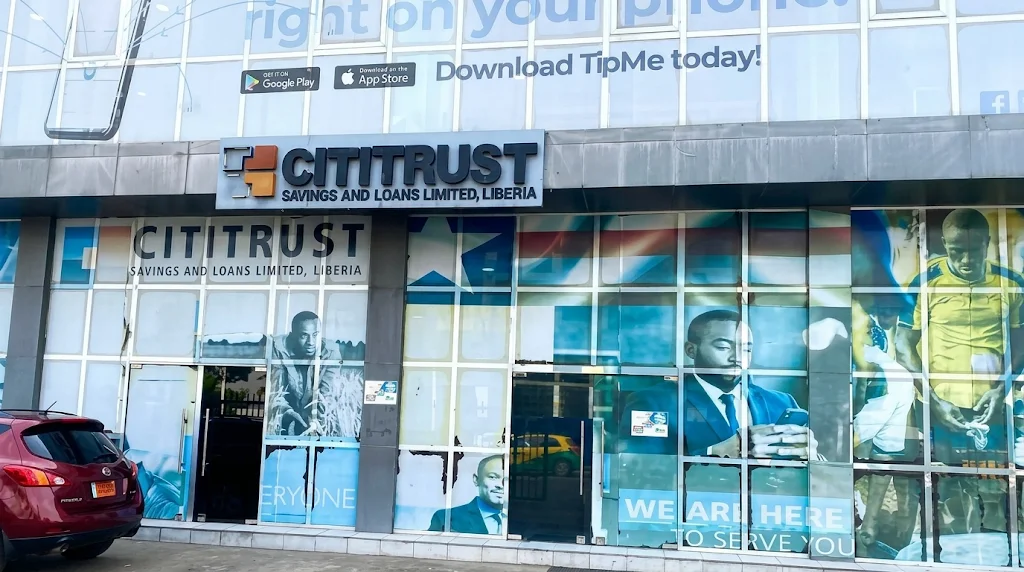
Customers may enter a banking hall and rely on a prominently displayed exchange rate, only to discover at the transaction counter that the rate in the bank's operating system is different. The discrepancy can leave recipients confused and, in some cases, embarrassed when they are informed that they must make an additional payment to complete a transaction.
Of particular concern are reports that some notices have remained on display for years, with rates reportedly dating back six years or more, despite changes in the exchange rates applied by the banks' transaction systems.
The practice raises questions about how commercial banks communicate the actual terms of remittance transactions to customers and whether the information displayed in their premises is being regularly reviewed.
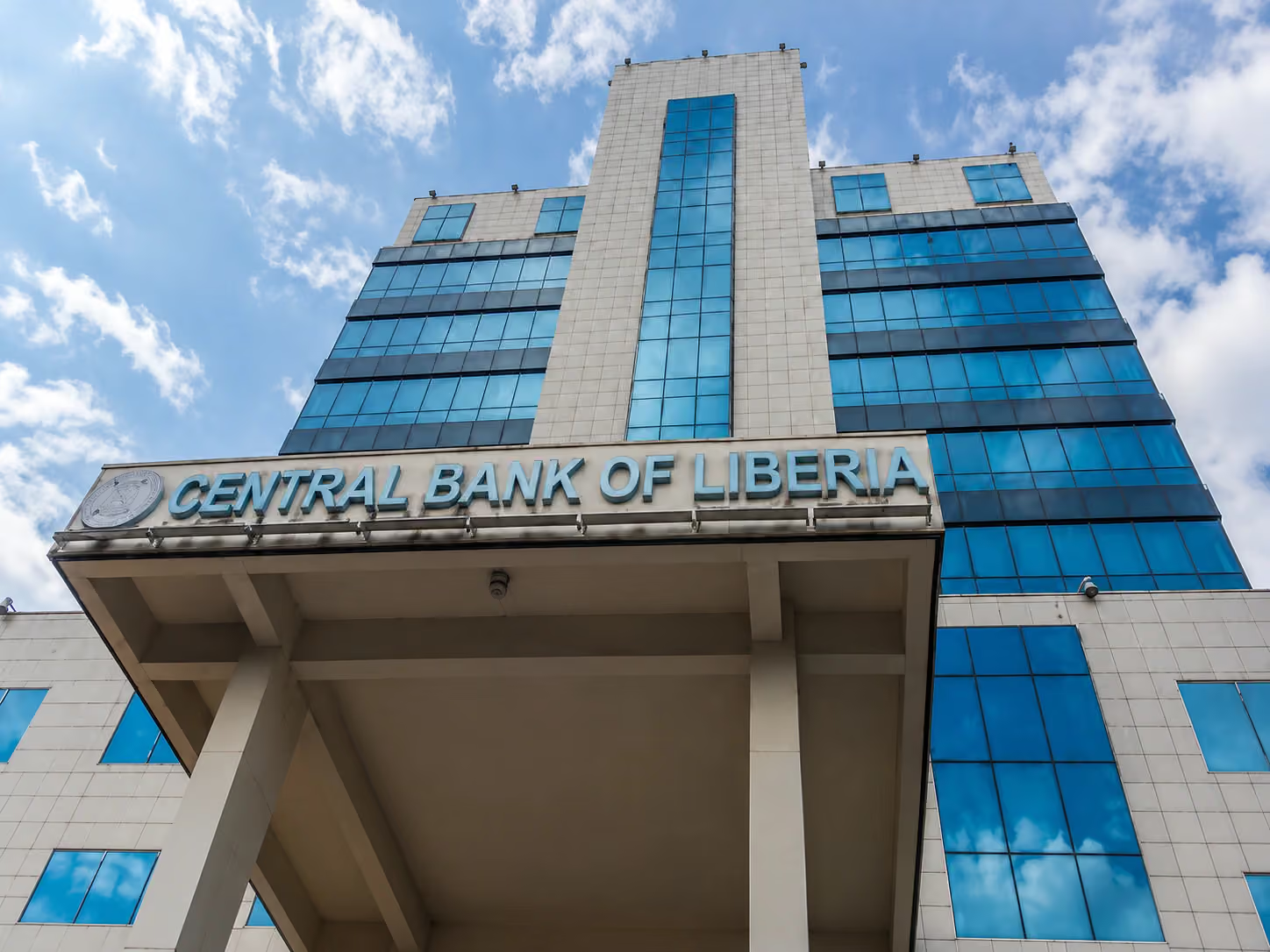
Liberia's Central Bank has established requirements governing the display of exchange rates for inbound money transfers. Under Section 19(1) of Regulation No. CBL/RSD/003/2022, issued on August 12, 2022, financial institutions must use the Central Bank of Liberia's published selling exchange rate prevailing on the date the recipient is paid. The applicable rate must also be conspicuously displayed on the financial institution's premises.
Section 19(2) further requires the exchange rate and the full Liberian-dollar value to be indicated on the recipient's receipt or payment form. The regulation applies to banks and other financial institutions authorized to provide money transfer services, including payments made over the counter, into bank accounts or digital wallets.
The regulation also requires remittance-service premises to display information showing the exchange rate and applicable remittance split. It places responsibility on remittance entities and their agents to maintain adequate customer-protection, awareness and dispute-resolution policies.
These provisions are intended to ensure that customers can understand the exchange rate and the amount they are entitled to receive before completing a transaction.
The problem, therefore, is not simply the presence of an old notice. It is the possibility that customers are being presented with information that does not reflect the rate actually applied when their money is paid.
For someone receiving a remittance, even a relatively small difference can affect the amount expected, particularly when the recipient has already made arrangements based on the information displayed in the banking hall.
The Central Bank of Liberia should examine the practice and establish whether commercial banks are complying with the applicable disclosure requirements. Banks offering Western Union, MoneyGram and other remittance services should also ensure that displayed rates are updated whenever the applicable rate changes, with the date of the latest update clearly indicated.
The regulator should further clarify how customers should be treated when a displayed rate differs from the rate in the transaction system, particularly where the customer was not informed of the difference before the transaction was processed.
Commercial banks are trusted financial institutions. Their responsibility to customers extends beyond processing transactions; it includes providing accurate, accessible and timely information. Customers should not have to discover at the counter that the information displayed in the banking hall is no longer valid.