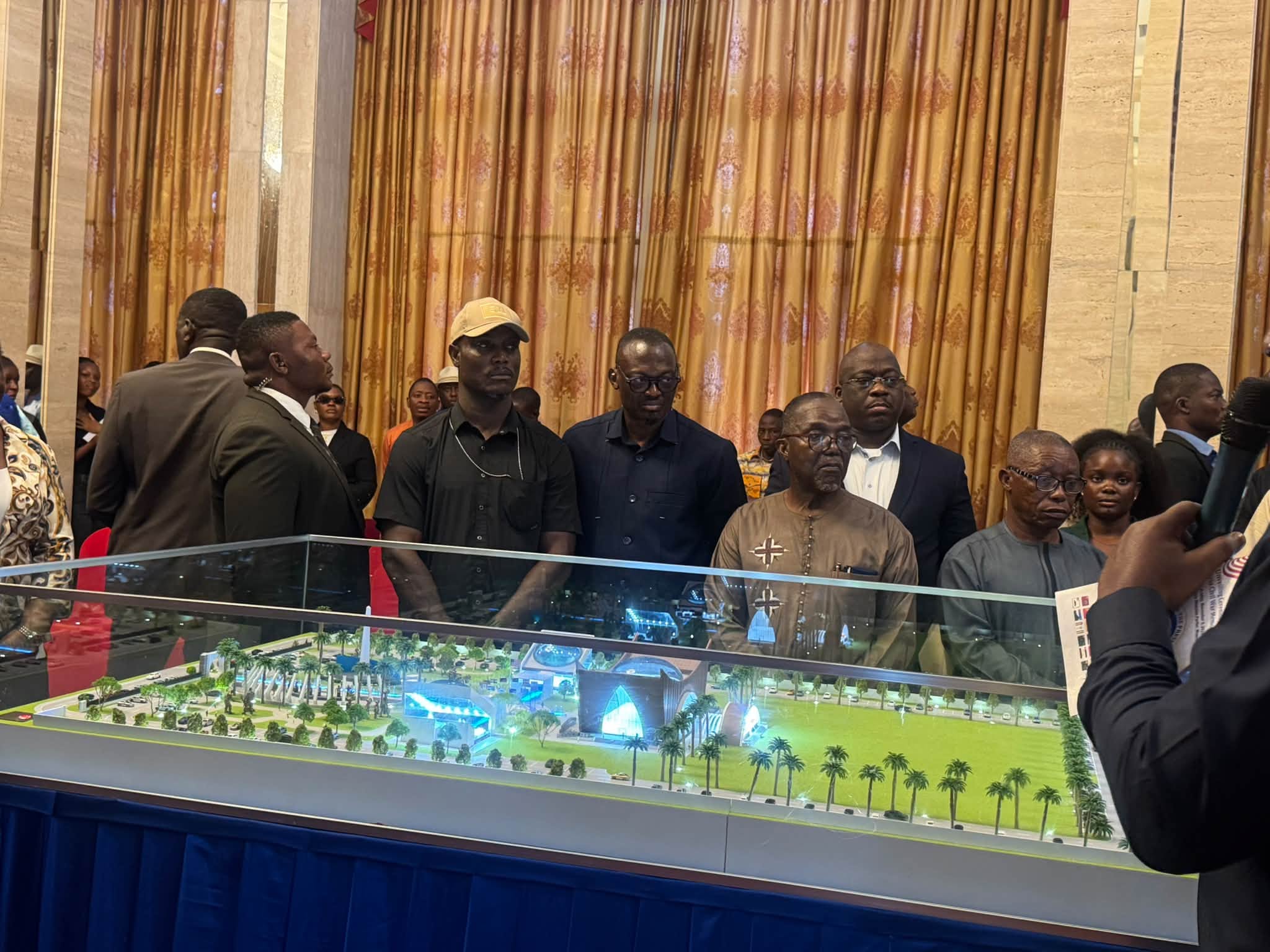
Gathered in the historic parlor alongside members of the diplomatic corps, traditional leaders, and grieving families, President Boakai acknowledged that the nation's collective trauma was for too long carried in silence.
"For too many years, the pain of our civil wars was something we spoke of in whispers, if we spoke of it at all," President Boakai told the assembly. "Today, we speak of it openly, with dignity, and with love for those we lost." The memorial honors every life claimed during the decades of conflict—from mothers, fathers, and children who never grew old to neighbors and nameless victims whose humanity the nation vows never to forget. Directly addressing the survivors and relatives of victims, the President offered rare, direct institutional validation: "To the families who are here today, I see you. Liberia sees you. Your loss was not in vain and your loved ones are not forgotten." While the memorial stands as a profound physical symbol of remembrance, President Boakai emphasized that architectural monuments alone cannot mend a fractured society. He tied the unveiling directly to ongoing institutional reconciliation efforts, noting that the Steering Committee for the upcoming Liberia Peace, Reconciliation, and Memorial Museum will convene later this month, from November 16–18, to cement historical preservation and educational outreach for younger generations. Invoking the spirit of forgiveness and resilience that carried Liberians through the post-war transition, the President issued a stern national challenge to choose dialogue over division, closing with a solemn pledge: "Let this Memorial be a promise... that Liberia will never again go down the path of war."