
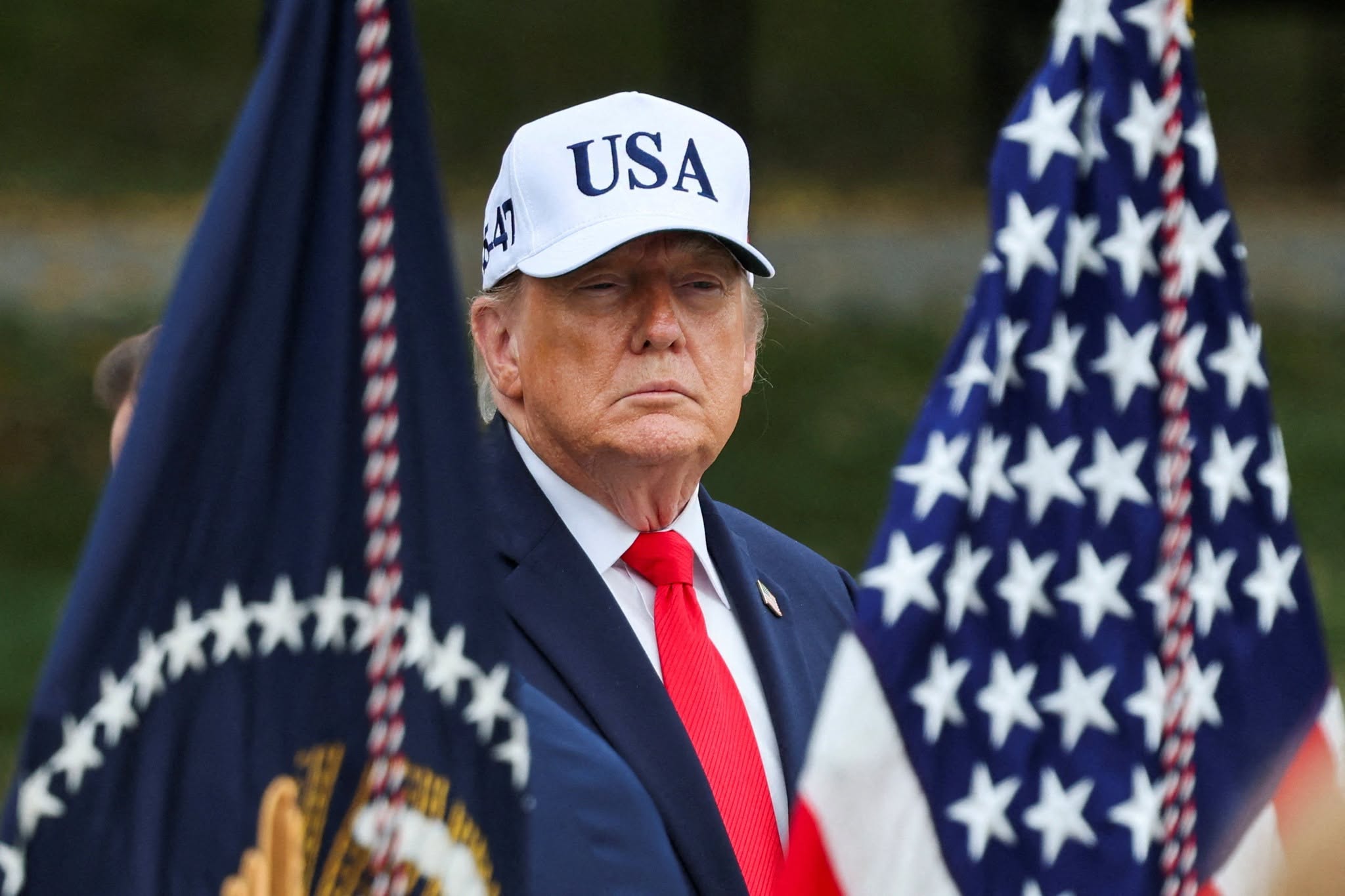
With single-party dominance broken on Capitol Hill, the legislative gridlock that typically accompanies a split Congress will force a swift pivot in how economic policy is enacted—shifting focus away from broad spending bills and toward regulatory battles, executive authority, and contentious trade negotiations.
For the U.S. economy, divided control acts as an immediate brake on ambitious fiscal legislation. Sweeping tax overhauls and massive federal spending packages face near-insurmountable hurdles in a polarized Congress, leaving the administration reliant on administrative rulemaking and executive orders to execute its domestic agenda. Yet market analysts note that legislative gridlock carries a distinct macroeconomic upside. By curtailing the prospect of major fiscal expansion, a divided Congress helps temper public expenditure, easing domestic inflationary pressures. This reduced fiscal momentum gives the Federal Reserve broader flexibility to manage interest rate adjustments without competing against legislative stimulus.
Concurrently, corporate focus turns to Capitol Hill's investigative machinery. Shifted committee chairmanships will trigger aggressive congressional oversight of federal regulatory bodies, environmental policy mandates, energy subsidies, and executive branch spending.
The realignment in Washington carries profound implications across the Atlantic, where African trade officials and regional markets closely monitor shifts in foreign assistance and commercial access. The most urgent foreign policy test centers on the African Growth and Opportunity Act (AGOA)—the flagship trade agreement granting sub-Saharan African nations duty-free access to U.S. markets. With the program's authorization cycle at a critical juncture, African exporters face uncertainty over whether a divided Congress can forge bipartisan consensus to renew or reauthorize the pact without adding restrictive eligibility criteria.
Simultaneously, U.S. development finance and foreign assistance budgets are poised for intense legislative scrutiny. Key initiatives, including the President’s Emergency Plan for AIDS Relief (PEPFAR) and infrastructure allocations channeled through the U.S. International Development Finance Corporation (DFC), will face rigorous line-item review during upcoming appropriations battles.
Despite tighter purse strings, strategic commercial engagement in Africa is likely to retain traction. Bipartisan consensus remains firm on securing critical mineral supply chains—particularly cobalt, lithium, and copper from Central and Southern Africa—to safeguard technology manufacturing against global rivals. While overall foreign aid budgets encounter fierce headwind, U.S. commercial partnerships targeting African mining and energy infrastructure are expected to preserve their policy momentum.