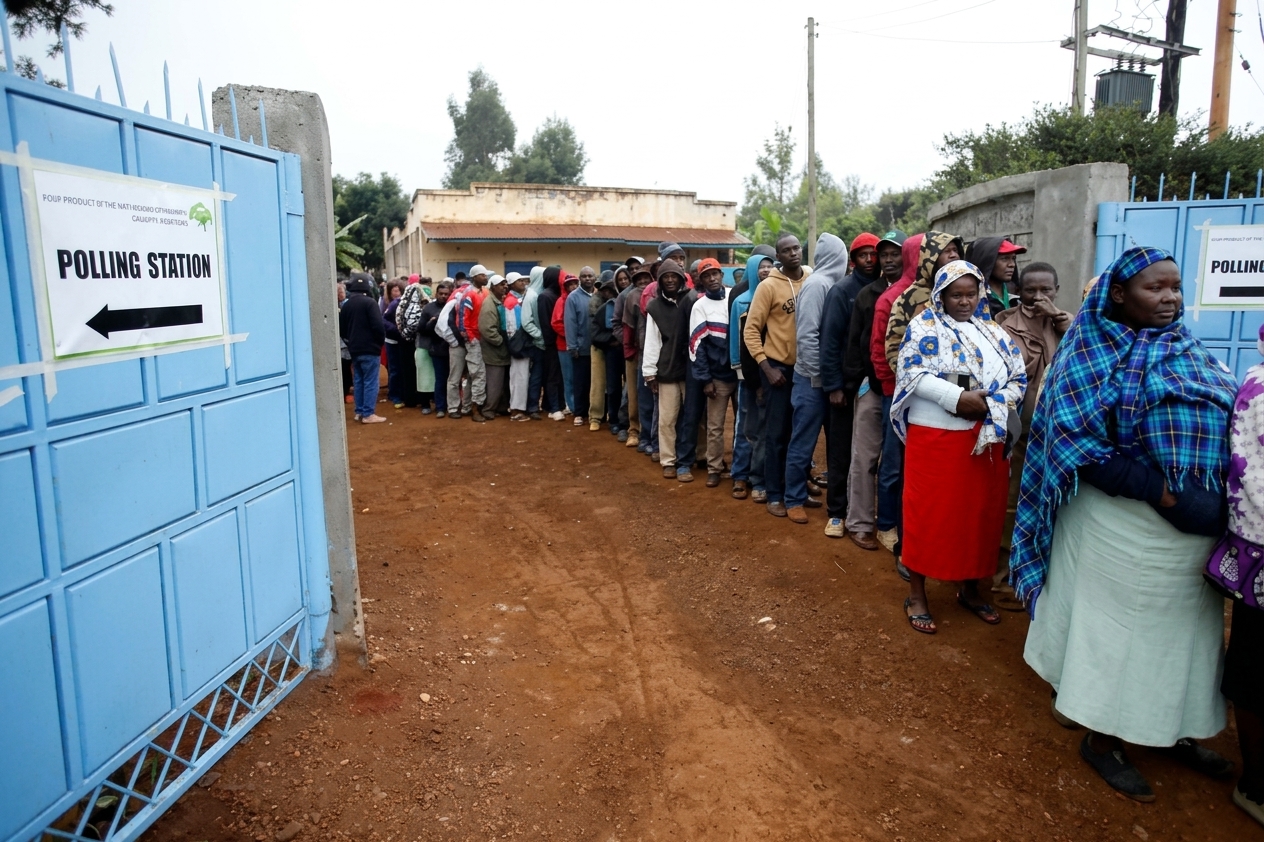
The municipal election results represent a sharp structural drop from the ANC's 45.6% tally in the 2021 local government elections and a further erosion from the 40% threshold it recorded in the 2024 general elections. Rather than stabilizing voter confidence, the governance dynamics of the national coalition—and ongoing public frustration over local service delivery, infrastructure decay, and municipal utility failures—have accelerated voter migration toward regional, opposition, and challenger parties.
The ANC's historic drop guarantees that key economic centers—including Johannesburg, Ekurhuleni, and Tshwane—will depend on fragile multi-party municipal coalitions. The inability of single parties to secure outright majorities leaves urban budgets vulnerable to prolonged governance gridlock and coalition bargaining. At the same time, while the DA solidified its core urban baselines and retained dominant control in the Western Cape, smaller parties and regional entities—such as uMkhonto weSizwe (MK) in KwaZulu-Natal and ActionSA in Gauteng metro hubs—have pulled vital vote share away from the traditional liberation movement.
This municipal outcome serves as a stark warning for the ANC ahead of the 2029 general election. With the party losing its decisive grasp on local government structures across major economic hubs, internal leadership debate surrounding President Cyril Ramaphosa's succession and coalition strategy is set to intensify ahead of the ANC's 2027 elective conference. As the IEC prepares to formally certify final seat allocations across all 257 municipalities, local councils nationwide face immediate pressure to negotiate coalition frameworks before statutory deadlines force council reruns.