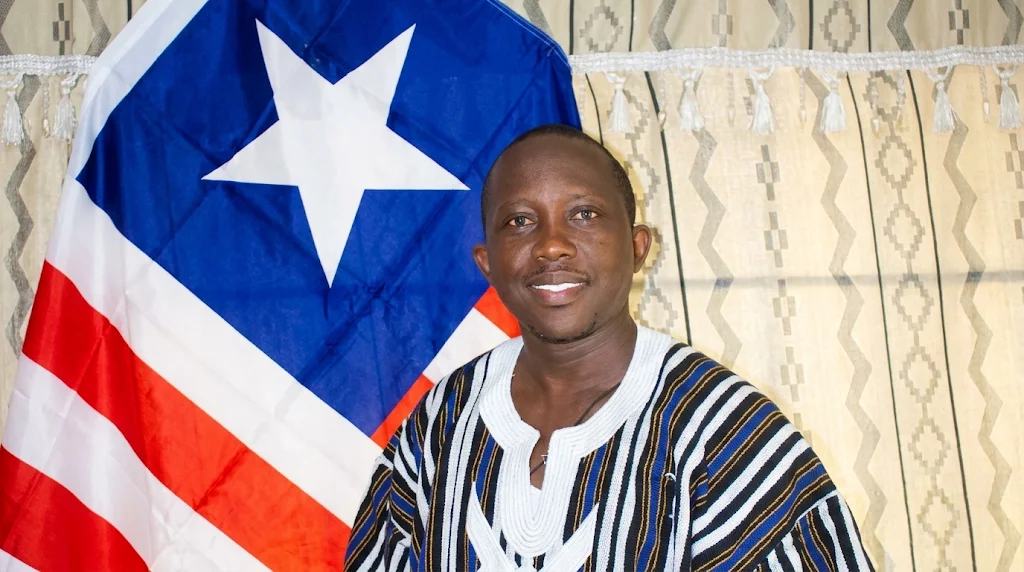
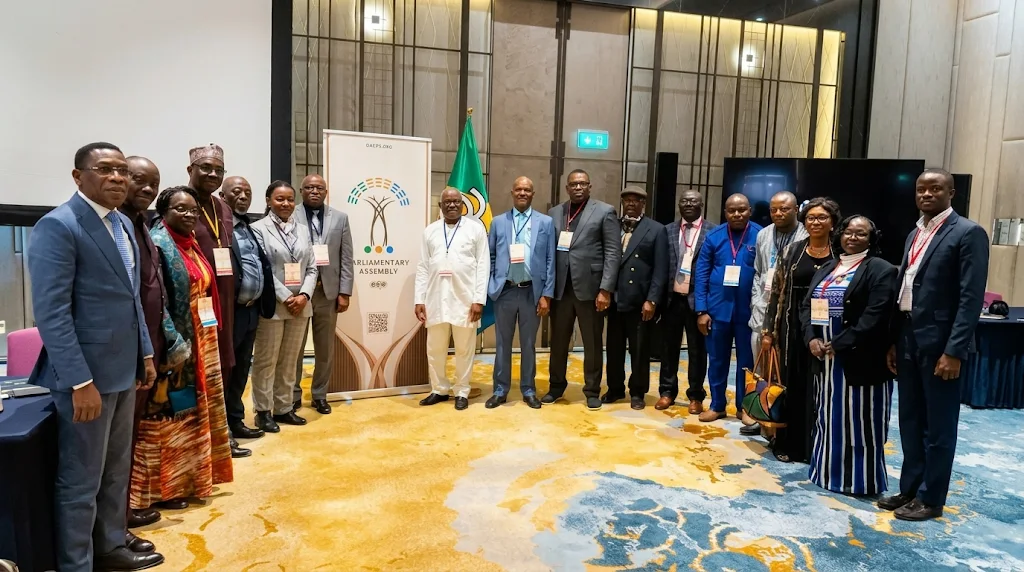
Speaking during a special session for Heads of Delegation in Brussels, Liberia's delegation leader, Hon. Ellen Attoh Wreh, urged member states to submit the agreement to their respective national parliaments for consideration and consent before proceeding with formal commitments.
Her intervention places the role of elected legislatures at the centre of a 20-year partnership framework between the European Union and OACPS member states.
The position has constitutional significance for Liberia. Article 57 of the Liberian Constitution empowers the President to conduct foreign affairs and conclude international agreements with the concurrence of a majority of each House of the Legislature. Article 34 also provides for legislative approval of treaties and international agreements.
However, the timing of the intervention deserves attention. The Samoa Agreement was signed on November 15, 2023, and began provisional application on January 1, 2024. This means parts of the agreement have been operating while participating countries complete their respective domestic approval procedures. Provisional application is not the same as full ratification or definitive entry into force.
The distinction raises important questions for Liberia: What commitments have already been undertaken under provisional application? What remains subject to parliamentary approval? And how much opportunity will lawmakers have to examine the agreement's implications before granting consent?
These questions matter because the Samoa Agreement extends beyond traditional development assistance. It establishes cooperation on governance, human rights, peace and security, trade, investment, migration, climate change and sustainable development.
Such commitments can influence national policies, institutional responsibilities and development priorities for years. Parliamentary scrutiny should therefore involve more than a formal vote. Legislators need access to the agreement's full provisions, implementation arrangements, financial implications and potential obligations for the country.
Liberia's intervention also highlights a wider challenge within international diplomacy. Agreements are often negotiated by executive officials and diplomats, while national legislatures become involved much later in the process. This can limit public understanding and legislative influence over decisions with long-term national consequences.
The reported consensus among Heads of Delegation to return home and seek parliamentary consideration provides an opportunity for greater institutional engagement. However, that understanding does not replace the constitutional approval procedures required in individual countries. For Liberia, the next step should be a clear explanation of its participation status, the commitments already being implemented and the specific approval being sought from the Legislature.
Ultimately, international cooperation and national sovereignty are not competing interests. Effective partnerships require both diplomatic engagement and domestic accountability. Liberia's intervention has raised an important question. The more consequential test will be whether that call for parliamentary scrutiny is translated into a transparent and meaningful legislative process at home.
Beyond the Headlines this is the Bigger Picture.