The November 25, 2026, public hearing convened by the Senate is therefore significant. It offers victims, survivors, civil society organisations, lawyers and other stakeholders an opportunity to influence legislation that could shape Liberia's accountability process for generations.
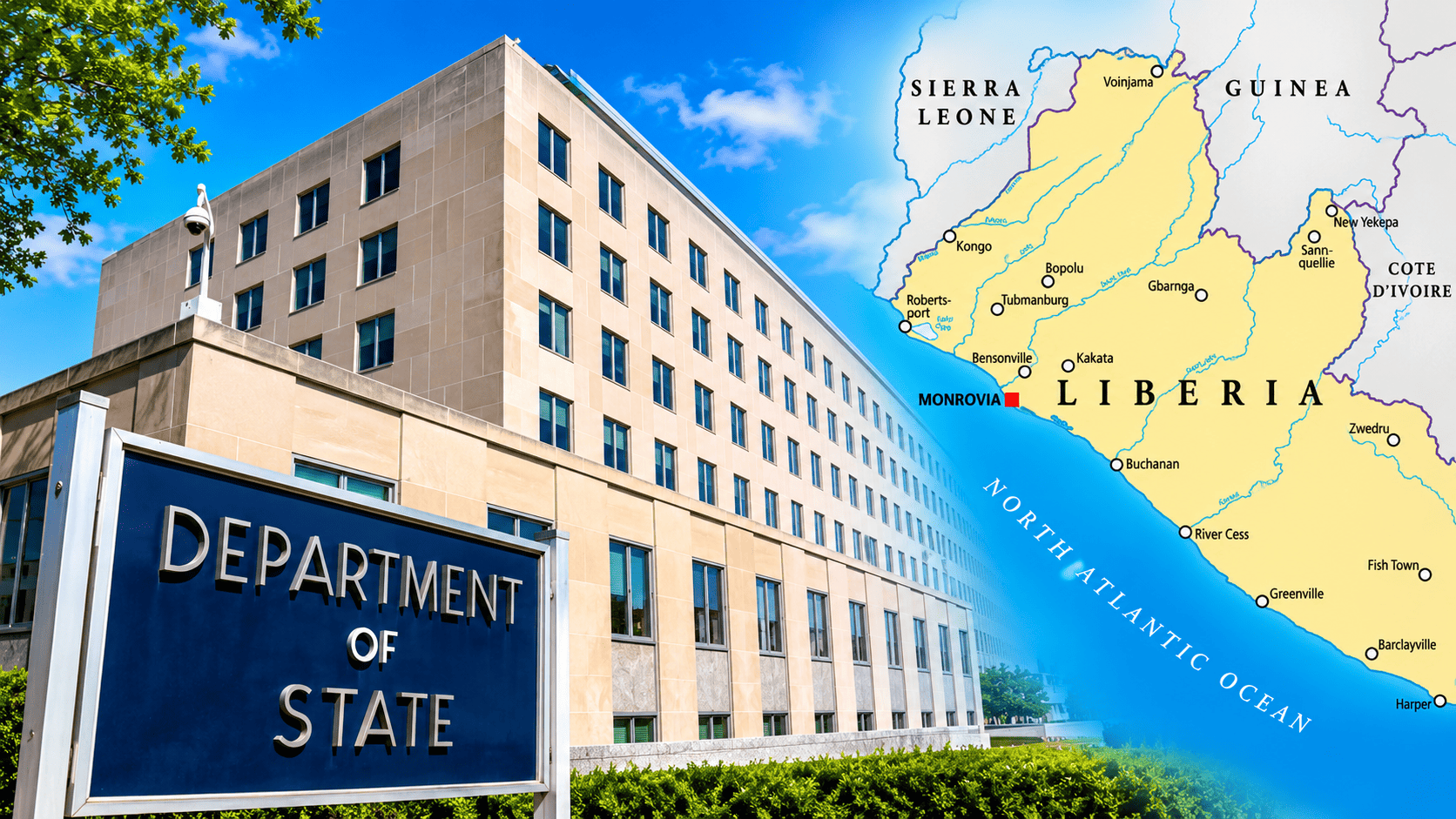
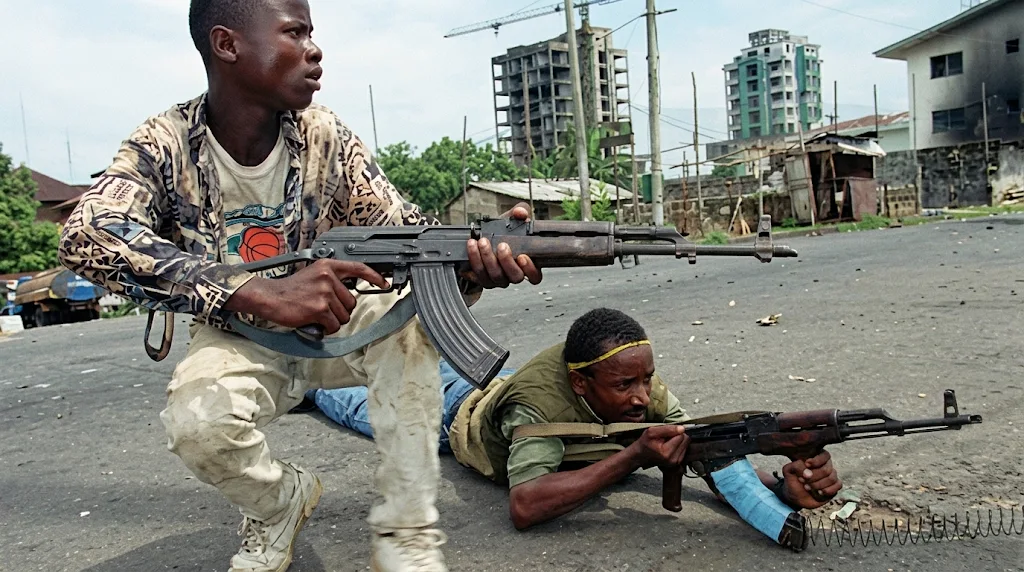
Liberia's Truth and Reconciliation Commission (TRC), in its final report in 2009, recommended establishing an extraordinary criminal tribunal to prosecute individuals bearing the greatest responsibility for war crimes and crimes against humanity. The conflicts, spanning 1979 to 2003, were marked by massacres, torture, rape, sexual violence, forced recruitment of children and other grave abuses.
More than two decades after the wars ended, no one has been held accountable in a Liberian court for these grave crimes. Although some Liberians have faced prosecution abroad under universal jurisdiction, the domestic accountability process has remained unfinished. The process gained renewed momentum in 2024 when the Legislature adopted a joint resolution supporting the establishment of the courts, followed by President Joseph Boakai's creation of the Office for the Establishment of the War and Economic Crimes Court.
In May 2026, the President submitted proposed legislation to the Legislature. The bills seek to establish a War and Economic Crimes Court and a separate National Anti-Corruption Court.
However, the Office for the Establishment of the War and Economic Crimes Court clarified in October that neither court had yet been legally established. The legislation remains before the Legislature. The credibility of these proposed courts will depend not only on their establishment but also on how they are designed.
Victims and survivors must have meaningful opportunities to contribute to decisions concerning the courts' mandates, jurisdiction, reparations and protection measures. Civil society and legal experts must also be able to scrutinise provisions affecting judicial independence, prosecution powers and the rights of accused persons. These are not technical details that can be left entirely to lawmakers. They will determine whether the courts are trusted as independent institutions or viewed as instruments of political influence.
Previous disagreements over draft legislation have already demonstrated why consultation matters. Human Rights Watch reported concerns raised by civil society organisations about judicial independence and the absence of an appeals chamber in an earlier proposal. These issues reinforce the importance of examining the harmonised bills carefully before enactment.
The proposed National Anti-Corruption Court also deserves attention, but its purpose should not be confused with that of the War Crimes Court. One addresses grave crimes and atrocities associated with Liberia's conflict history; the other is intended to strengthen the prosecution of corruption-related offences.
Both concern accountability, but each requires a clear mandate, appropriate safeguards and institutional independence. Establishing the courts will not automatically deliver justice. Liberia will still need qualified judges and prosecutors, reliable investigations, witness protection, adequate funding, international cooperation and a credible system for enforcing judgments.
There must also be serious consideration of victims' needs beyond criminal prosecution, including reparations, recognition and continued support for national reconciliation. The November 25 hearing is therefore an opportunity to get the legal foundations right before the country moves further toward implementation.
For victims who have waited decades, another announcement or political commitment will not be enough. They need a process that produces credible investigations, fair trials and meaningful accountability.
Liberia has spent years discussing the promise of justice. The real test now is whether its political institutions can turn that promise into an independent and functioning system of accountability.