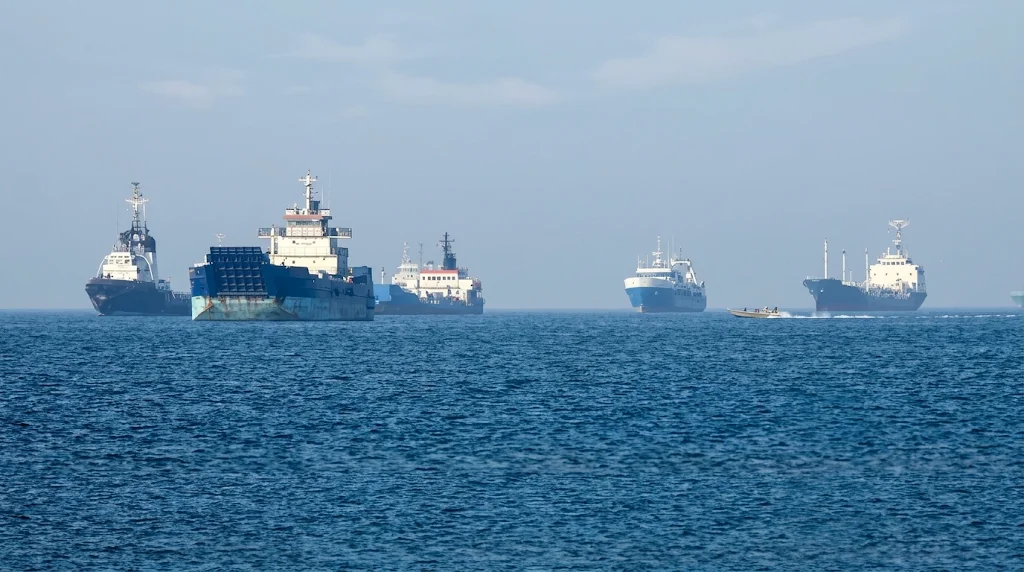
Speaking in an interview with Al Jazeera, Iraqi Foreign Minister Fuad Hussein confirmed the arrangement, noting that financial losses stemming from regional conflict disruptions and shipping bottlenecks had reached approximately $60 billion. The dedicated transit arrangement aims to protect vital maritime flows and stabilize output for one of OPEC's largest producers following severe market fluctuations.
Despite recent logistics friction in the Gulf, Iraqi energy officials report that crude exports rebounded sharply in October to roughly 3.5 million barrels per day, recovering from a drop to 2.65 million barrels per day in September.
The maritime arrangement arrives alongside broader diplomatic and economic pressures across shared regional borders. Foreign Minister Hussein disclosed that the U.S. Treasury has requested that Baghdad shutter all but two official border crossings with Iran—including one maintained in the Kurdistan region—as part of Washington's enforcement of economic pressure on Tehran. Iraqi officials remain in active negotiations regarding the border closures, citing the complex economic ties and trade volume sustained across the frontier.