The US Department of State's Level 4 designation, officially titled "Do Not Travel," covers Burkina Faso, the Central African Republic, Chad, the Democratic Republic of the Congo, Libya, Mali, Niger, Somalia, South Sudan, Sudan and Uganda.
The other destinations on the worldwide list are Afghanistan, Belarus, Myanmar, Gaza, Haiti, Iran, Iraq, Lebanon, North Korea, Russia, Syria, Ukraine and Yemen.
Under the State Department's four-level travel advisory system, Level 4 represents the highest warning category. It is reserved for destinations where conditions present life-threatening risks or where the US government has very limited or no ability to provide emergency assistance to its citizens.
The department identifies several risk factors behind the African advisories, including terrorism, armed conflict, kidnapping, violent crime, civil unrest and health emergencies. However, the specific concerns vary considerably between countries.
In the Sahel, Burkina Faso, Mali and Niger face persistent insecurity linked to armed extremist groups, military operations and attacks on civilian populations. Chad also faces security concerns associated with regional instability and threats from armed groups.
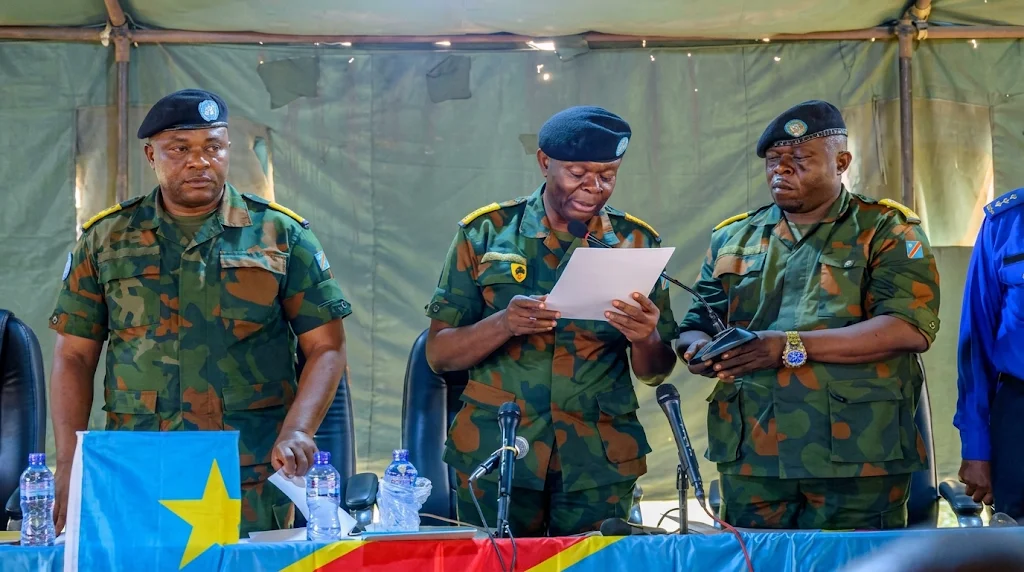
In Central Africa, the Democratic Republic of Congo continues to experience armed conflict, particularly in its eastern provinces, while the Central African Republic faces insecurity involving armed groups and limited state control in parts of its territory.
Libya remains affected by political divisions, armed groups and security threats, while Somalia continues to confront terrorism and persistent instability. Sudan and South Sudan face serious security and humanitarian challenges, including armed conflict, displacement and limited access to essential services.
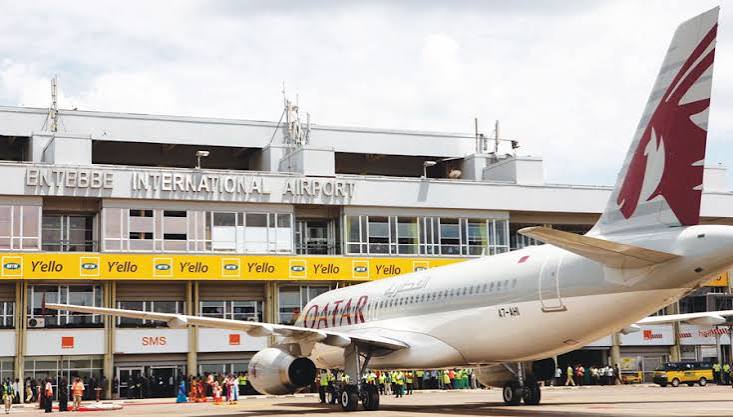
Uganda's inclusion highlights that Level 4 advisories are not exclusively reserved for countries experiencing full-scale war. Its warning identifies crime, terrorism, unrest and health-related concerns among the risks facing American travellers. The State Department reviews its travel advisories periodically and may update them when security conditions or its ability to provide consular assistance change.
Importantly, the advisory system is designed specifically to inform US citizens, not to serve as a universal ranking of countries or a comprehensive assessment of their overall safety. The department states that its assessments focus on threats insofar as they may affect American citizens, nationals and legal residents.
The latest list also places the African warnings in perspective. Liberia and Algeria, for example, are classified at Level 2, meaning travellers are advised to exercise increased caution, while Nigeria and Kenya are among countries currently classified at Level 3, which advises travellers to reconsider their plans.
The concentration of African countries in the highest warning category nevertheless highlights the continuing security and governance challenges affecting several parts of the continent, particularly the Sahel, the Horn of Africa and Central Africa.