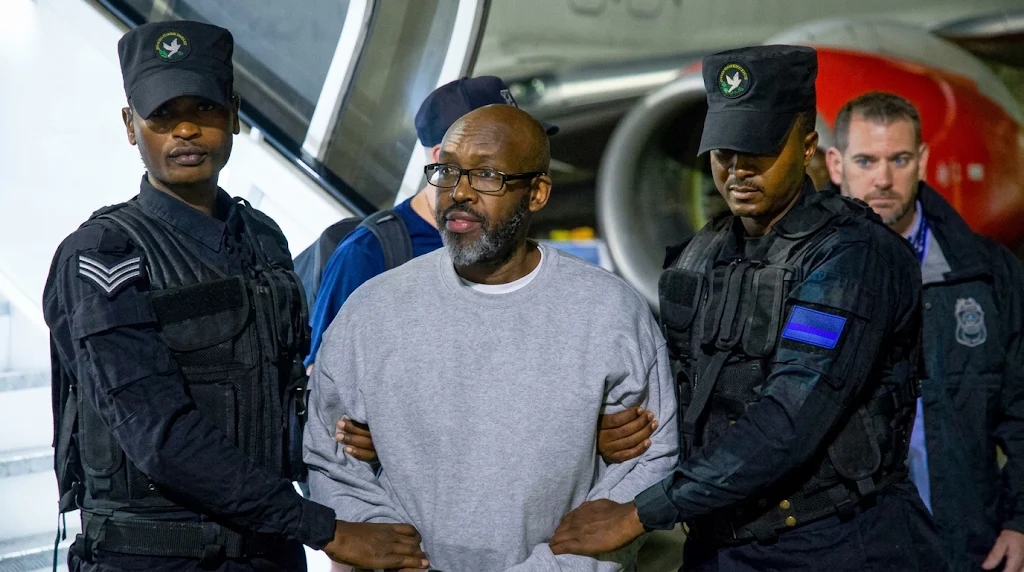
The National Public Prosecution Authority (NPPA) confirmed that Teganya arrived in Rwanda on Monday, November 9. He is currently being questioned by police before his case file is transferred to prosecutors, according to prosecution spokesperson Justin Nkusi.
Teganya, 55, was indicted by Rwandan authorities in 2014 over his alleged involvement in genocide-related crimes in the former Butare prefecture, now part of Huye District in southern Rwanda. The allegations concern events at the National University of Rwanda and the University Teaching Hospital of Butare, where he was studying medicine and undertaking practical training during the genocide.
The specific allegations contained in Rwanda's indictment have not been fully made public. Teganya fled Rwanda in July 1994 and later sought asylum in Canada. After Canadian authorities rejected his asylum application and issued a deportation order, he crossed into the United States in August 2014.
In April 2019, a federal jury in Boston convicted him of two counts of immigration fraud and three counts of perjury for concealing information about his alleged activities and affiliations during the genocide when applying for immigration benefits. He was sentenced to 97 months in prison in July 2019.
The US case included allegations that Teganya helped groups of soldiers and militia members identify Tutsi patients and refugees sheltering at the Butare hospital. US prosecutors also presented evidence linking him to killings and sexual violence. However, his American convictions were for immigration fraud and perjury, not genocide.
The 1994 genocide lasted approximately 100 days, during which an estimated 800,000 people, predominantly Tutsis, were killed.